
Comprehensive Guide to Shear Wall Formwork Systems and Construction Techniques
Understanding Shear Wall Formwork for Efficient Construction
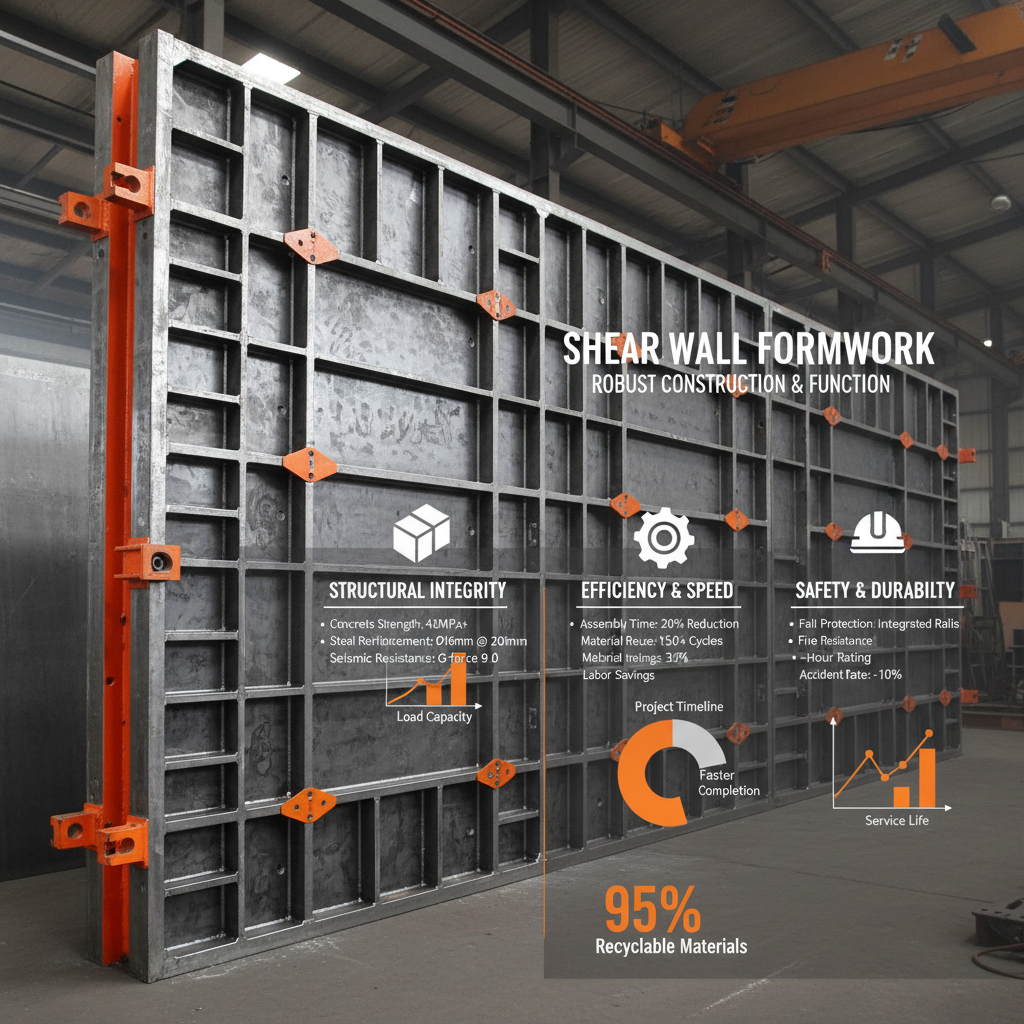
Shear wall formwork is a critical component in modern concrete construction, particularly in high-rise buildings and structures requiring significant lateral stability. This system provides the framework for pouring concrete shear walls, which are essential for resisting wind and seismic forces. Choosing the right shear wall formwork can significantly impact project efficiency, cost, and the overall structural integrity of the building. This article will delve into the intricacies of shear wall formwork, exploring its types, benefits, applications, and key considerations for selection.
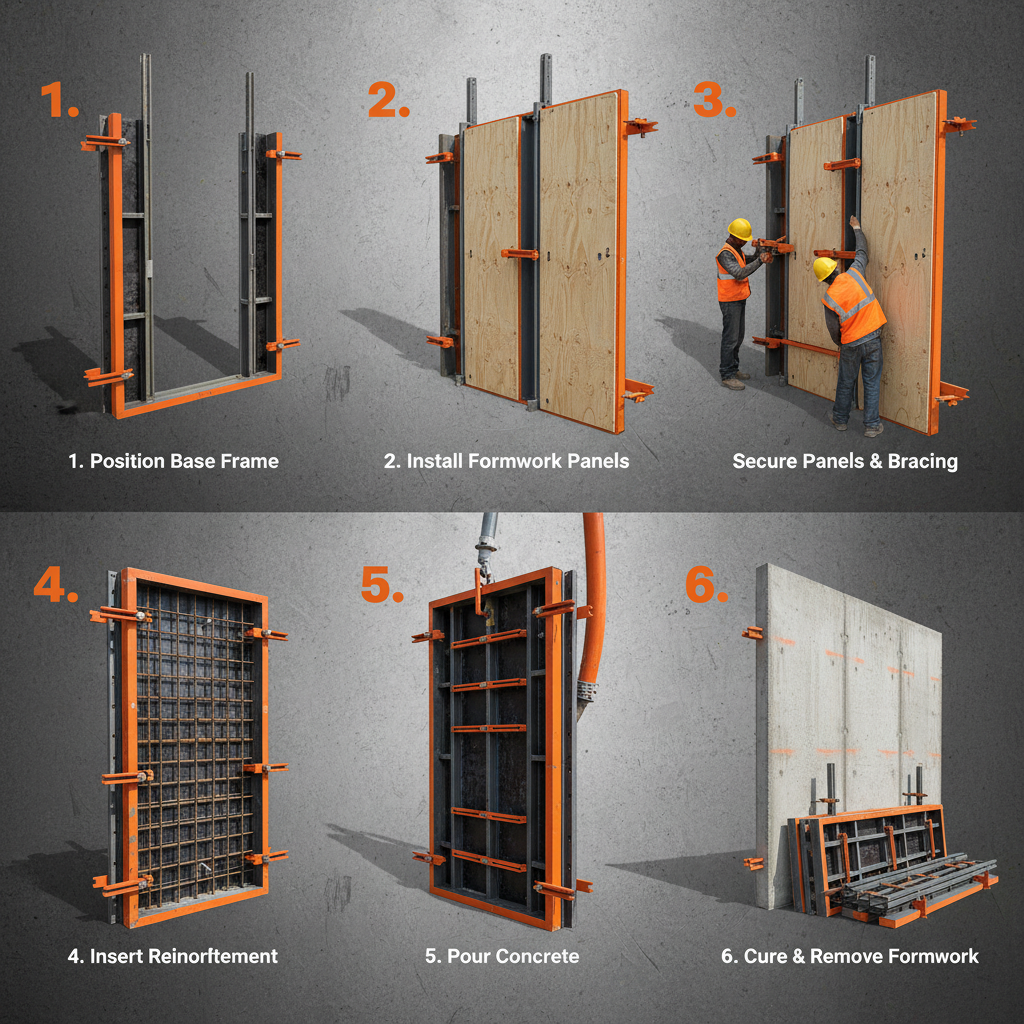
Types of Shear Wall Formwork Systems
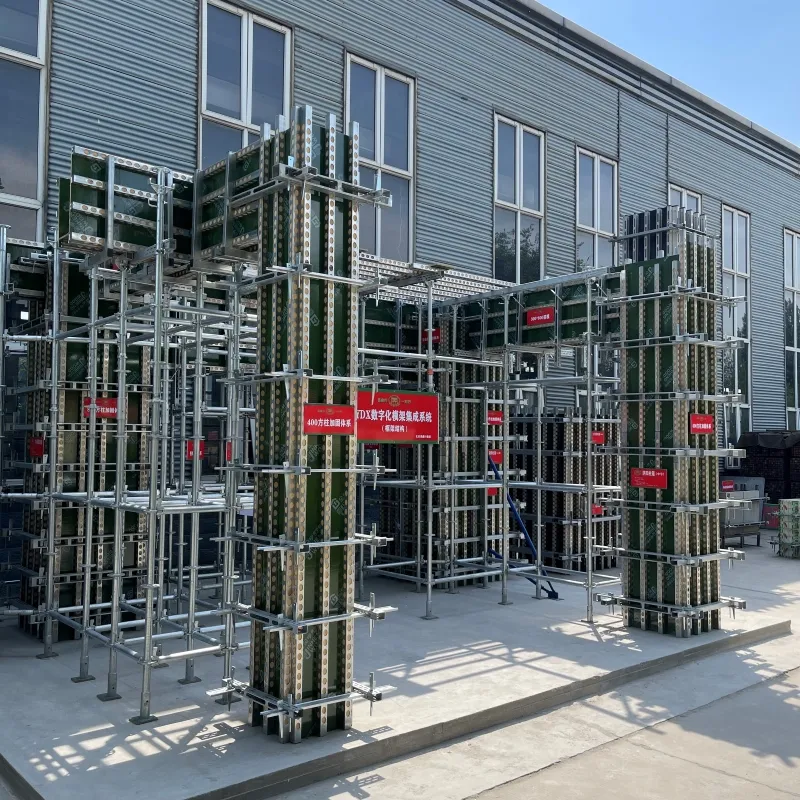
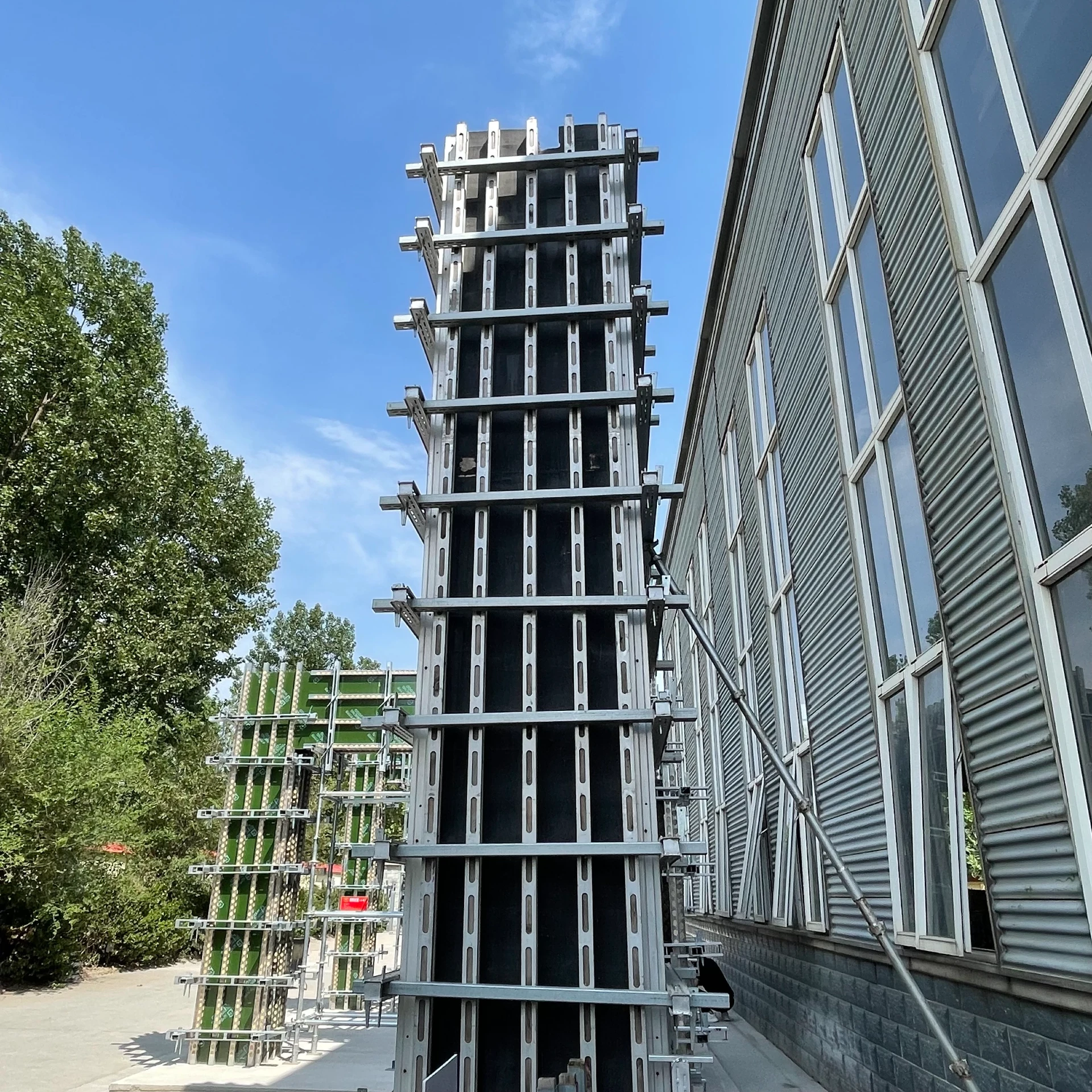
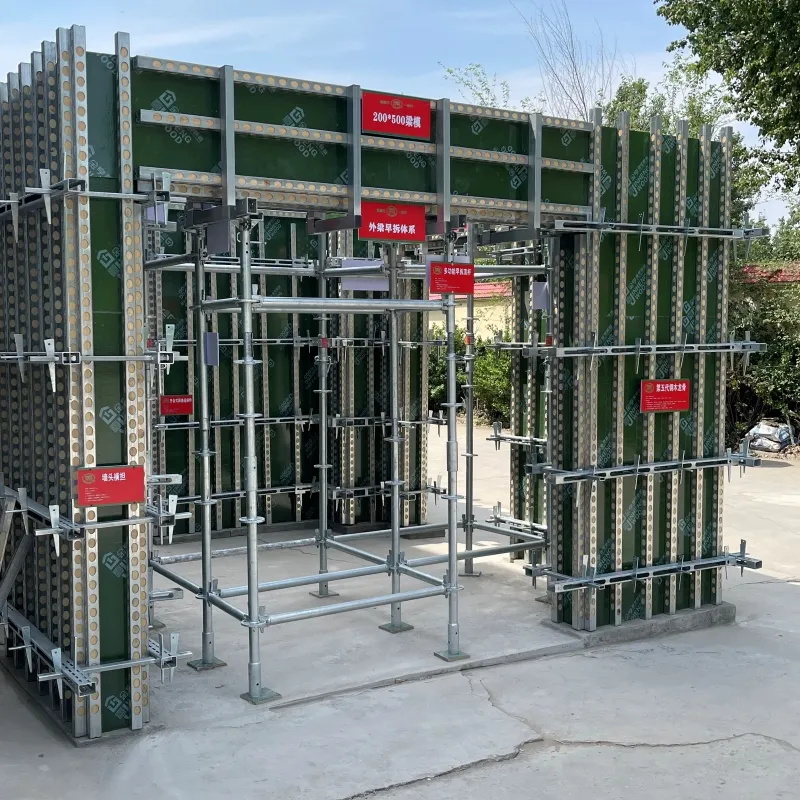
Several different types of shear wall formwork systems are available, each suited to specific project requirements. These include traditional timber formwork, steel formwork, aluminum formwork, and climbing formwork. Timber formwork is relatively inexpensive but is labor-intensive and has a limited lifespan. Steel formwork offers greater durability and precision but is heavier and more costly. Aluminum formwork is lightweight and easy to handle, making it ideal for repetitive projects. Climbing formwork is used for constructing very tall shear walls, allowing for continuous vertical construction. The choice depends on factors such as wall height, complexity, budget, and required finish quality.
Key Considerations: Selecting the right type of shear wall formwork system requires careful assessment of project-specific needs and constraints.
Benefits of Using Shear Wall Formwork
Employing a robust shear wall formwork system delivers numerous benefits. It ensures accurate concrete placement, resulting in smooth and dimensionally precise walls. The use of modular systems speeds up construction, reducing labor costs and project timelines. Reusable formwork, such as steel or aluminum, offers long-term cost savings. Furthermore, proper formwork contributes to enhanced safety on site, minimizing the risk of collapses or structural failures. Precise alignment and support during concrete pouring are paramount, and dedicated formwork systems provide just that.
Key Advantages:
• Increased Construction Speed
• Improved Concrete Quality
• Reduced Labor Costs
• Enhanced Safety
Shear Wall Formwork vs. Traditional Methods: A Comparative Analysis
Traditional methods of building shear walls often involve extensive on-site fabrication of forms, which is time-consuming and prone to errors. Shear wall formwork systems, especially pre-engineered modular systems, provide a significant advantage in terms of efficiency and accuracy. Traditional methods also typically require more skilled labor and generate more waste. Utilizing standardized formwork components streamlines the process, minimizing material waste and reducing the need for highly specialized skills.
Applications of Shear Wall Formwork in Construction
Shear wall formwork finds extensive use in various construction projects, including residential high-rises, commercial buildings, hotels, and parking structures. It is particularly crucial in areas prone to seismic activity, where robust shear walls are vital for structural integrity. Properly designed shear walls contribute significantly to a building's resistance to lateral loads, protecting it from wind and earthquake damage. The use of advanced formwork systems allows for efficient construction of complex wall geometries and intricate architectural designs.
Selecting the Right Shear Wall Formwork: Key Considerations
Choosing the most suitable shear wall formwork involves careful consideration of several factors. These include the height and thickness of the walls, the complexity of the design, the required finish quality, the budget constraints, and the project timeline. It’s also crucial to assess the site conditions, including access and space limitations. Partnering with a reputable formwork supplier who can provide expert advice and support is highly recommended.
Conclusion: Optimizing Construction with the Right Formwork
Investing in a high-quality shear wall formwork system is a strategic decision that can yield significant benefits throughout the construction process. From increased efficiency and reduced costs to enhanced safety and structural integrity, the right system can contribute to a successful project outcome. Choosing the appropriate system requires careful assessment of project needs and collaboration with experienced professionals.
Frequently Asked Questions (FAQs)
What safety precautions should be taken when using shear wall formwork?
Safety is paramount when working with shear wall formwork. Ensure all personnel are properly trained on the system's installation, use, and dismantling procedures. Regularly inspect the formwork for any signs of damage or instability. Always use appropriate personal protective equipment (PPE), including hard hats, safety glasses, and gloves. Implement a clear communication plan and establish designated safety zones around the work area. Never exceed the formwork's load capacity and ensure proper bracing and tie systems are in place.
How does formwork affect the concrete finish?
The quality of the formwork directly impacts the final concrete finish. Smooth and properly aligned formwork panels result in a smoother surface, while poorly maintained or misaligned panels can lead to imperfections. The type of formwork material also plays a role – steel and aluminum formwork generally provide a smoother finish than timber. Proper release agents should be applied to prevent concrete from sticking to the formwork, ensuring easy removal and a clean surface.
What is the importance of bracing in shear wall formwork?
Bracing is crucial for maintaining the stability of the formwork during concrete pouring. It prevents the formwork from bulging, shifting, or collapsing under the immense pressure of the wet concrete. Proper bracing systems distribute the load evenly and ensure the formwork remains plumb and aligned. The bracing requirements will vary depending on the height and thickness of the wall, as well as the concrete mix design. Consult with a structural engineer to determine the appropriate bracing scheme for your project.
Can shear wall formwork be reused?
Yes, many shear wall formwork systems, particularly those made from steel or aluminum, are designed for multiple uses. This reusability offers significant cost savings over time. However, it's essential to inspect the formwork thoroughly after each use for any signs of damage, deformation, or corrosion. Damaged panels should be repaired or replaced before being reused to ensure structural integrity and prevent safety hazards.
-
Efficient Modern Shuttering System Concrete Walls for ConstructionNewsApr.16,2026
-
High Efficiency Shear Wall Shuttering Systems for ConstructionNewsApr.09,2026
-
Choosing the Optimal Retaining Wall Shuttering System for Construction ProjectsNewsApr.04,2026
-
Optimizing Construction with a Reused Formwork Wall System for EfficiencyNewsMar.31,2026
-
Comprehensive Guide to Panel Wall Formwork for Modern Construction ProjectsNewsMar.28,2026
-
Optimizing Construction Projects with Advanced Modular Column Formwork SystemsNewsMar.26,2026
-
Comprehensive Guide to Formwork for Shear Wall Construction and Best PracticesNewsMar.24,2026