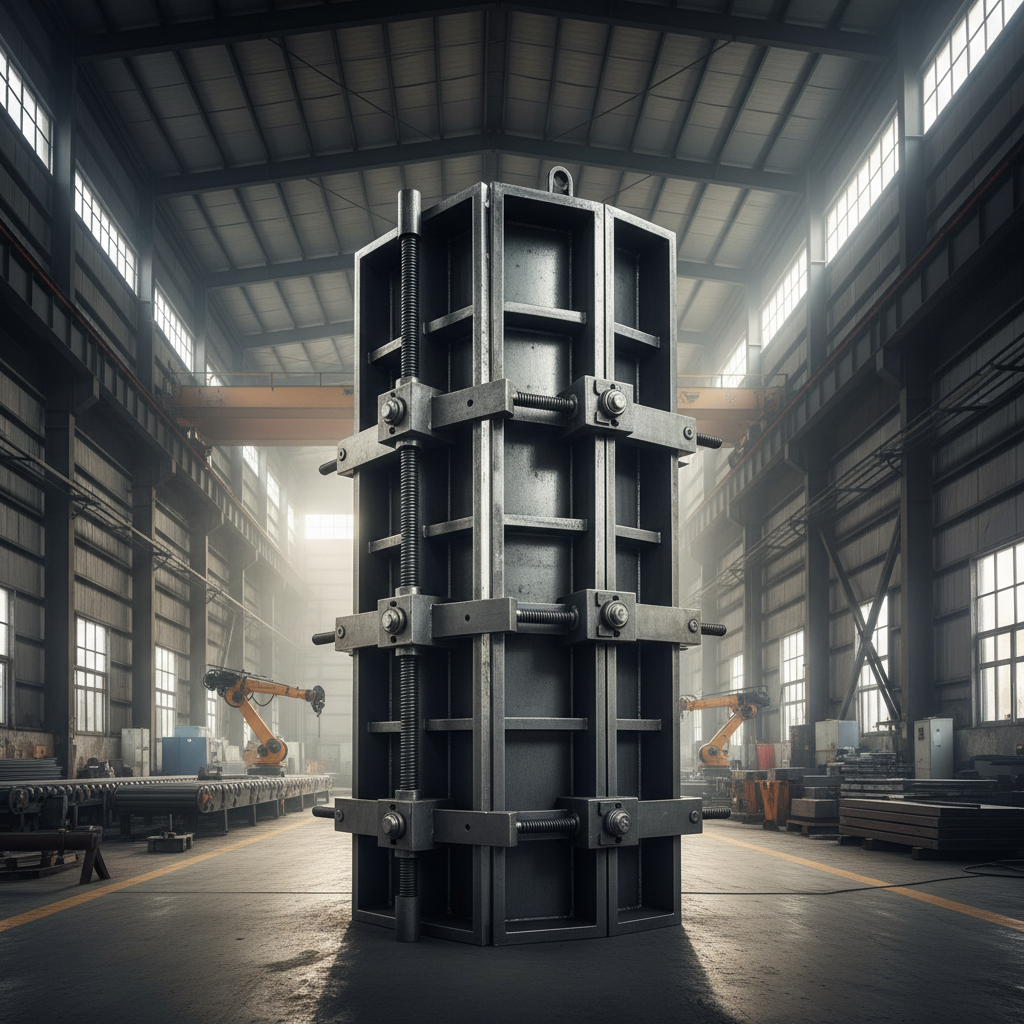
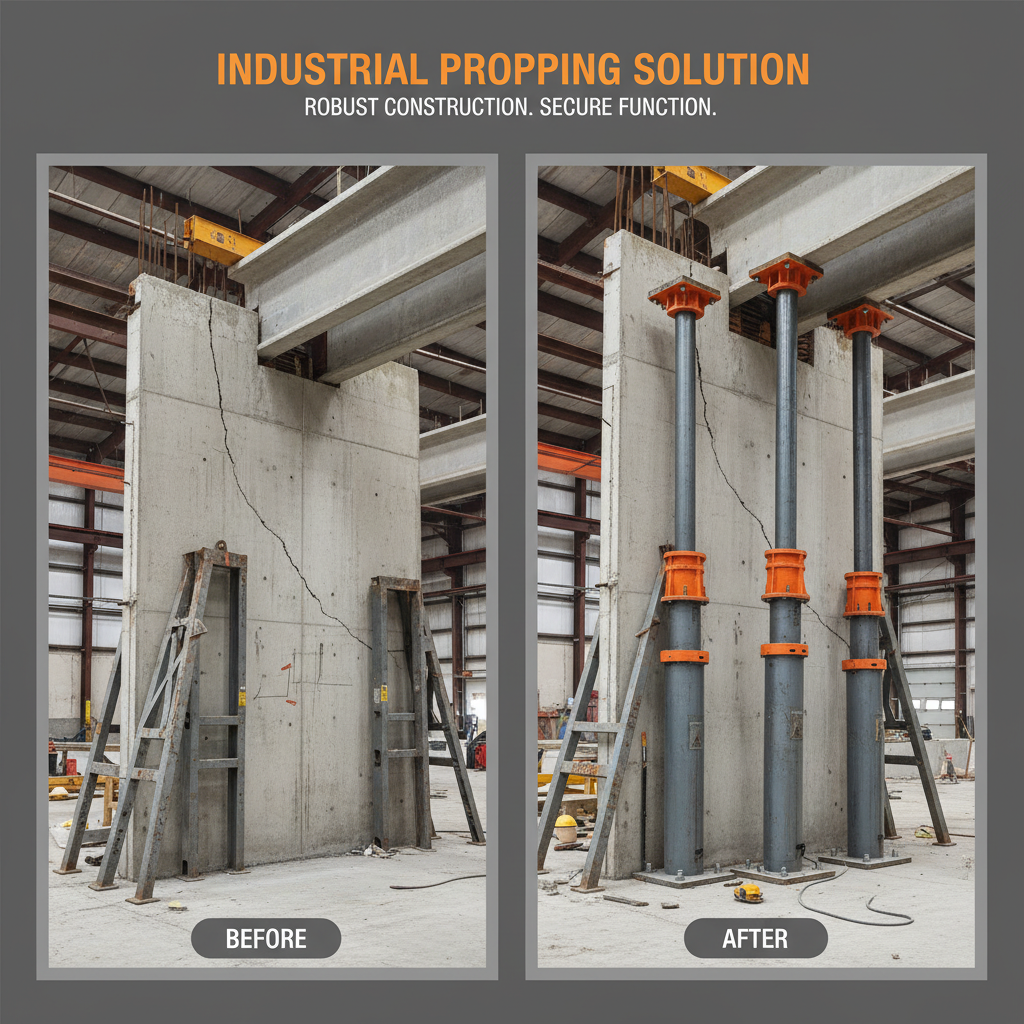
Steel wall formwork has revolutionized the construction industry, offering a robust and efficient solution for concrete construction. Its ability to withstand immense pressure, combined with its reusability and speed of assembly, has made it a cornerstone in modern building projects worldwide. Understanding the nuances of steel wall formwork is critical for architects, engineers, and construction professionals aiming to optimize project timelines, reduce costs, and ensure structural integrity.
Globally, the demand for efficient construction methods is driven by rapid urbanization and infrastructure development. The UN projects a global population of 9.7 billion by 2050, necessitating faster, more sustainable building practices. Steel wall formwork addresses this challenge by enabling quicker construction cycles and reducing material waste. Its precise dimensions and adaptable nature cater to diverse architectural designs, facilitating both large-scale and complex projects.
Ultimately, mastery of this system empowers construction companies to deliver high-quality projects on time and within budget, contributing to the development of resilient and sustainable infrastructure.
The Core Principles of Steel Wall Formwork
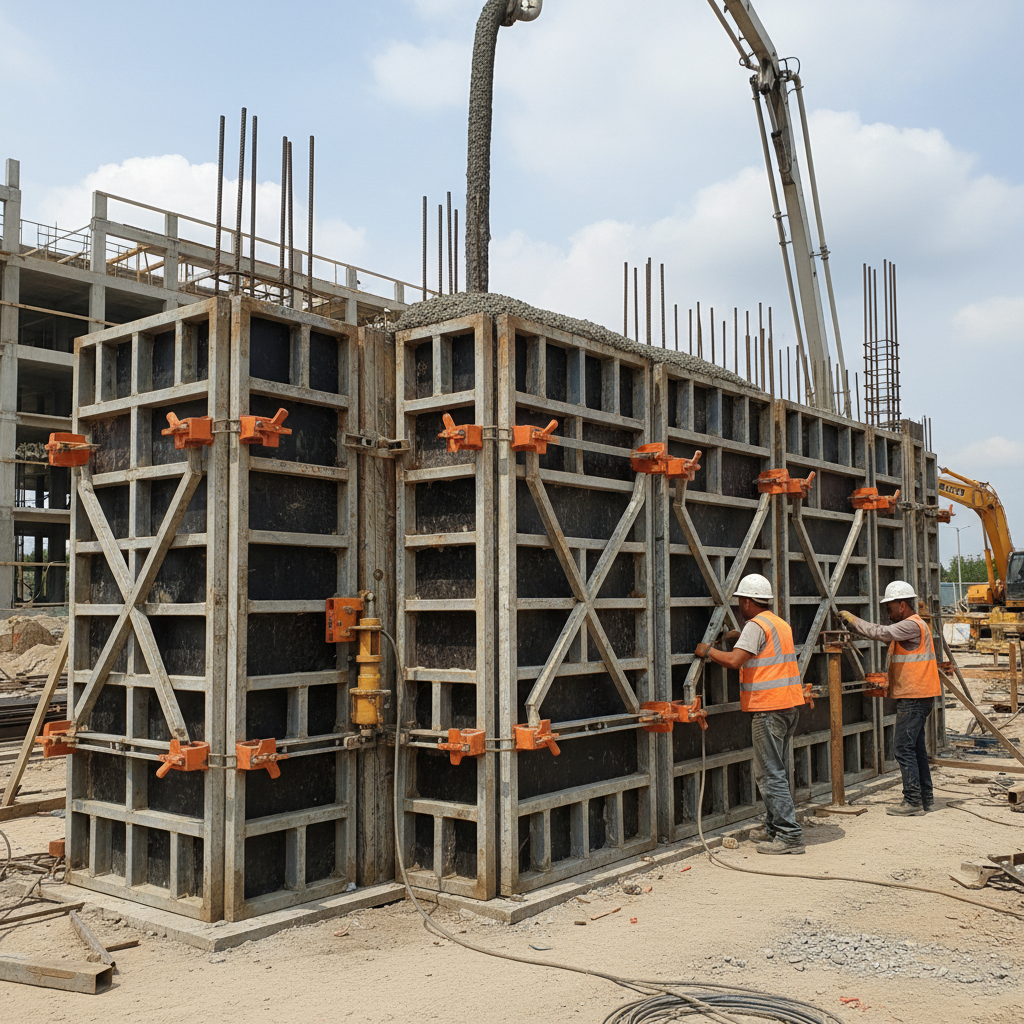
Steel wall formwork operates on the principle of providing a temporary mold for concrete, allowing it to set into a desired shape. Its structural integrity ensures that the concrete remains undisturbed during the curing process, resulting in a smooth, accurate, and durable finished wall. The system's modular design allows for easy assembly and disassembly, reducing labor costs and project timelines.
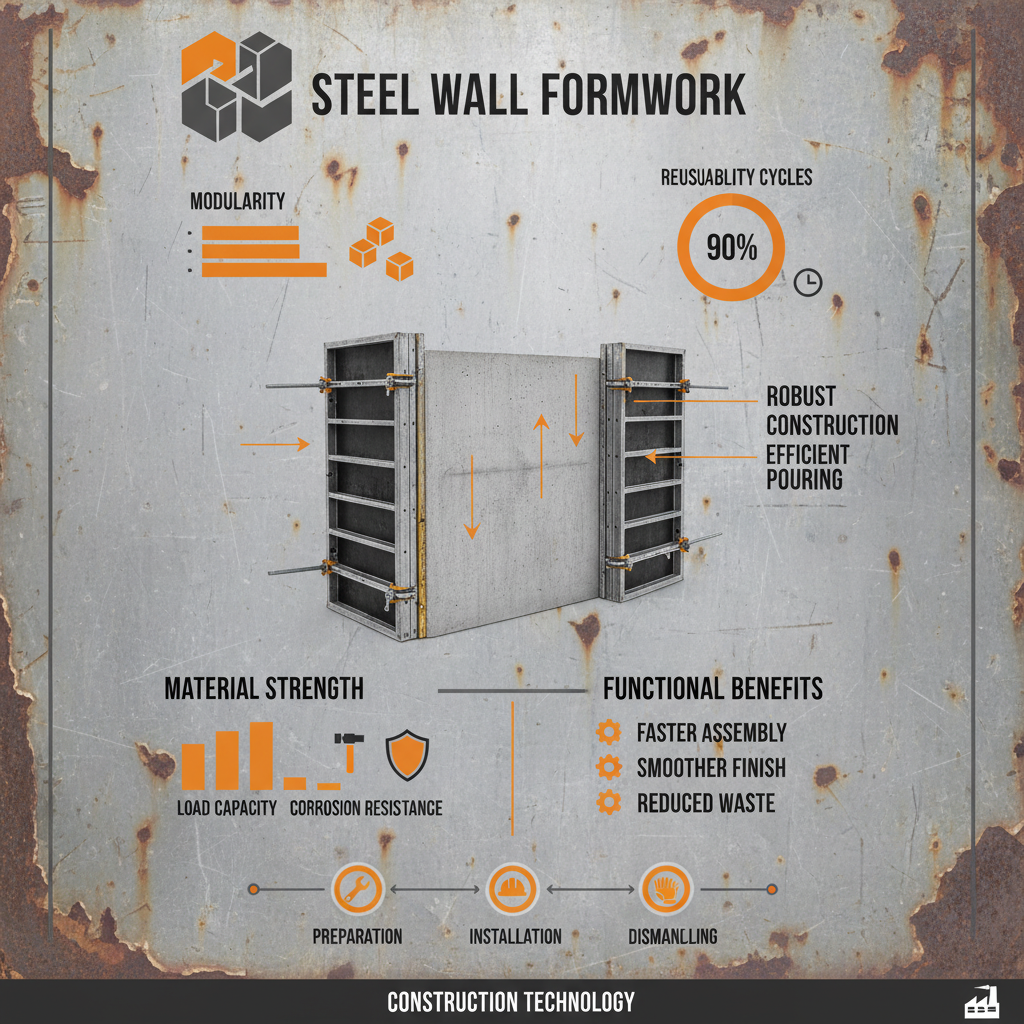
Crucially, the choice of steel as the primary material offers significant advantages over traditional wood formwork, including enhanced strength, resistance to deformation, and a longer lifespan. This translates to reduced material waste and a more sustainable construction process, aligned with modern environmental standards.
The Global Impact of Steel Wall Formwork
The adoption of steel wall formwork is experiencing rapid growth across the globe, particularly in regions undergoing substantial infrastructure development. Countries like China, India, and those in Southeast Asia are heavily investing in high-rise buildings and large-scale infrastructure projects, driving the demand for efficient formwork systems. These nations often prioritize speed and cost-effectiveness, making steel wall formwork an ideal solution.
Furthermore, the increasing awareness of sustainable construction practices is prompting a shift away from traditional timber formwork, which contributes to deforestation. Steel, being a recyclable material, aligns with these environmental goals. The World Steel Association reports that steel is the most recycled material on the planet, further bolstering the environmental credentials of steel wall formwork.
The impact extends to humanitarian efforts as well. In disaster relief and rapid housing initiatives, the speed and ease of assembly of steel wall formwork can provide critical shelter solutions. Its reusability also reduces the long-term cost of providing emergency housing.
Defining Steel Wall Formwork
Steel wall formwork is a system of reusable steel panels, frames, and accessories used to mold concrete walls during construction. Unlike traditional wood formwork, it's engineered for repeated use, offering significant cost savings and efficiency gains. It comprises individual panels that are interconnected to create a stable and accurate formwork system tailored to the specific dimensions of the wall.
This system is fundamental to modern concrete construction, facilitating the creation of straight, curved, and complex wall shapes. Its inherent strength and durability enable it to withstand the pressure of wet concrete, ensuring a high-quality finish. The system's design often incorporates features for easy stripping and relocation, further optimizing construction workflows.
The use of steel wall formwork connects directly to the industry's pursuit of faster, more sustainable, and cost-effective building methods, mirroring a global trend towards industrialized construction and optimized resource utilization. It represents a significant advancement over older, less efficient formwork techniques.
Key Advantages of Utilizing Steel Wall Formwork
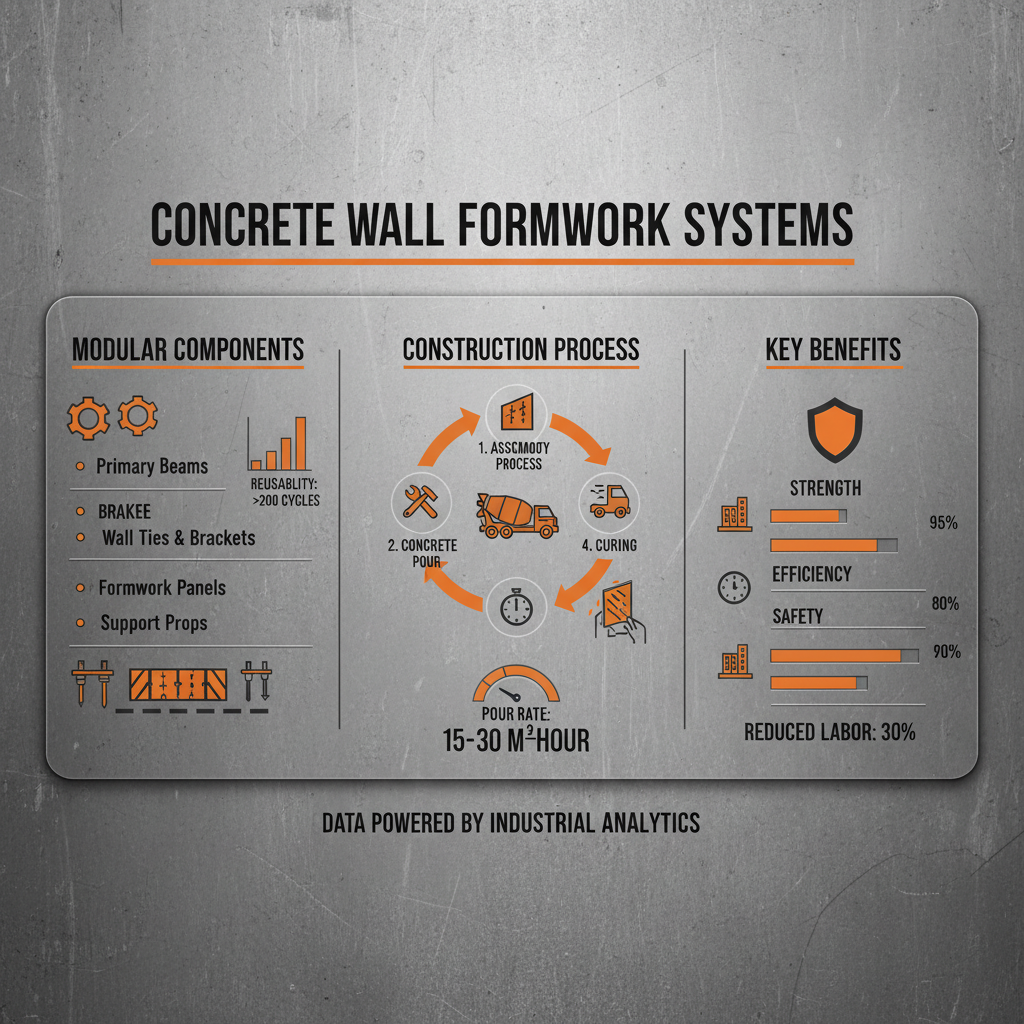
The benefits of adopting steel wall formwork are multifaceted. Firstly, its steel wall formwork durability drastically reduces the need for replacement compared to timber formwork, leading to lower lifecycle costs. Secondly, the precision of steel panels results in smoother concrete surfaces, minimizing the need for post-construction finishing work.
Furthermore, the modular design accelerates construction timelines. Panels can be quickly assembled and disassembled, significantly reducing labor hours. This speed is particularly advantageous in large-scale projects with tight deadlines.
Comparative Analysis of Steel Wall Formwork Methods
Real-World Applications of Steel Wall Formwork
Steel wall formwork finds applications in a vast array of construction projects, ranging from high-rise residential buildings and commercial complexes to infrastructure projects like bridges and tunnels. Its adaptability makes it suitable for both straight walls and complex curved structures.
In post-disaster relief operations, rapid deployment housing utilizing steel wall formwork can provide immediate shelter for displaced communities. Its ease of assembly and reusability make it an invaluable asset in emergency situations.
The Long-Term Value Proposition
Investing in steel wall formwork isn't merely a short-term cost-saving measure; it's a strategic decision that yields long-term value. The increased durability and reusability translate into reduced material costs over the lifespan of a construction company's operations. The improved efficiency of construction processes also leads to significant labor savings.
Furthermore, the precision of steel formwork enhances the quality and longevity of the finished structures, reducing the need for costly repairs and maintenance in the future. This contributes to a positive return on investment and builds a reputation for delivering high-quality projects.
The reduced waste and inherent recyclability of steel also align with sustainability goals, enhancing a company's brand image and attracting environmentally conscious clients.
Future Trends and Challenges in Steel Wall Formwork
The future of steel wall formwork is closely tied to advancements in materials science, automation, and digital construction technologies. The development of lighter, higher-strength steels will further enhance the efficiency and ease of handling of formwork systems.
Integration with Building Information Modeling (BIM) and digital twins will allow for more precise planning and optimization of formwork layouts, minimizing waste and reducing errors. Automated assembly and disassembly systems, utilizing robotics and AI, are also on the horizon, promising to further accelerate construction timelines.
However, challenges remain. The initial investment cost of steel formwork can be higher than that of traditional timber formwork. Ensuring proper training and safety protocols for workers handling these systems is also crucial.
Summary of Challenges and Solutions in Steel Wall Formwork Implementation
| Challenge |
Impact on Project |
Potential Solution |
Implementation Cost (1-10) |
| High Initial Investment |
Budget Constraints |
Leasing Options or Phased Implementation |
6 |
| Worker Training Requirements |
Safety Risks & Reduced Efficiency |
Comprehensive Training Programs & Certification |
7 |
| Complexity of Large-Scale Projects |
Planning & Coordination Challenges |
BIM Integration & Digital Workflow Management |
8 |
| Material Corrosion & Maintenance |
Reduced Lifespan & Repair Costs |
Protective Coatings & Regular Inspections |
5 |
| Transportation Logistics |
Project Delays & Increased Costs |
Optimized Transportation Planning & Local Stockpiling |
4 |
| Compatibility with Complex Geometries |
Design Constraints |
Customizable Modular Systems & Advanced Design Software |
9 |
FAQS
Steel wall formwork offers significant advantages over timber, including increased durability, reusability, and dimensional accuracy. Timber formwork is susceptible to warping, cracking, and decay, requiring frequent replacement. Steel formwork, while having a higher initial cost, reduces lifecycle expenses through its longevity and minimal maintenance requirements. It also provides a smoother concrete finish and is more resistant to deformation under pressure.
Steel is the most recycled material globally, making steel wall formwork a sustainable choice. Its reusability dramatically reduces material waste compared to disposable timber formwork. Furthermore, the precision of steel formwork minimizes concrete waste by ensuring accurate dimensions. Reducing both material and waste contributes to a lower carbon footprint and a more environmentally responsible construction process.
Proper training is essential for personnel handling steel wall formwork. Workers must be trained on safe assembly, disassembly, and lifting procedures. Appropriate personal protective equipment (PPE), including hard hats, safety glasses, and gloves, should always be worn. Regular inspections of the formwork for damage or defects are crucial, and any compromised panels should be immediately replaced or repaired.
With proper maintenance and care, a steel wall formwork system can have a remarkably long lifespan – often exceeding 50 cycles or more. Regular cleaning, application of protective coatings to prevent corrosion, and prompt repair of any damage are essential for maximizing its longevity. The durability of steel significantly surpasses that of timber, making it a cost-effective investment over time.
Steel wall formwork significantly accelerates project timelines due to its rapid assembly and disassembly capabilities. The modular design and precise connections minimize labor hours, allowing for quicker concrete pouring and curing cycles. This efficiency is particularly valuable for large-scale projects with tight deadlines, leading to faster project completion and reduced overall costs.
Yes, modern steel wall formwork systems are highly adaptable and can accommodate curved or complex wall designs. Flexible panels and adjustable components allow for the creation of a wide range of shapes. Advanced design software and BIM integration facilitate precise planning and customization to meet specific architectural requirements.
Conclusion
In conclusion, steel wall formwork represents a paradigm shift in concrete construction, offering a compelling combination of durability, efficiency, sustainability, and cost-effectiveness. Its global adoption is driven by the increasing demand for faster, more resilient infrastructure and environmentally responsible building practices. Understanding the core principles, advantages, and future trends of this technology is crucial for professionals seeking to optimize their construction projects.
Looking ahead, continued innovation in materials, automation, and digital integration will further enhance the capabilities of steel wall formwork. By embracing these advancements, the construction industry can unlock even greater efficiencies and build a more sustainable future. For further information and to explore our range of steel wall formwork solutions, visit our website: www.constrframe.com.