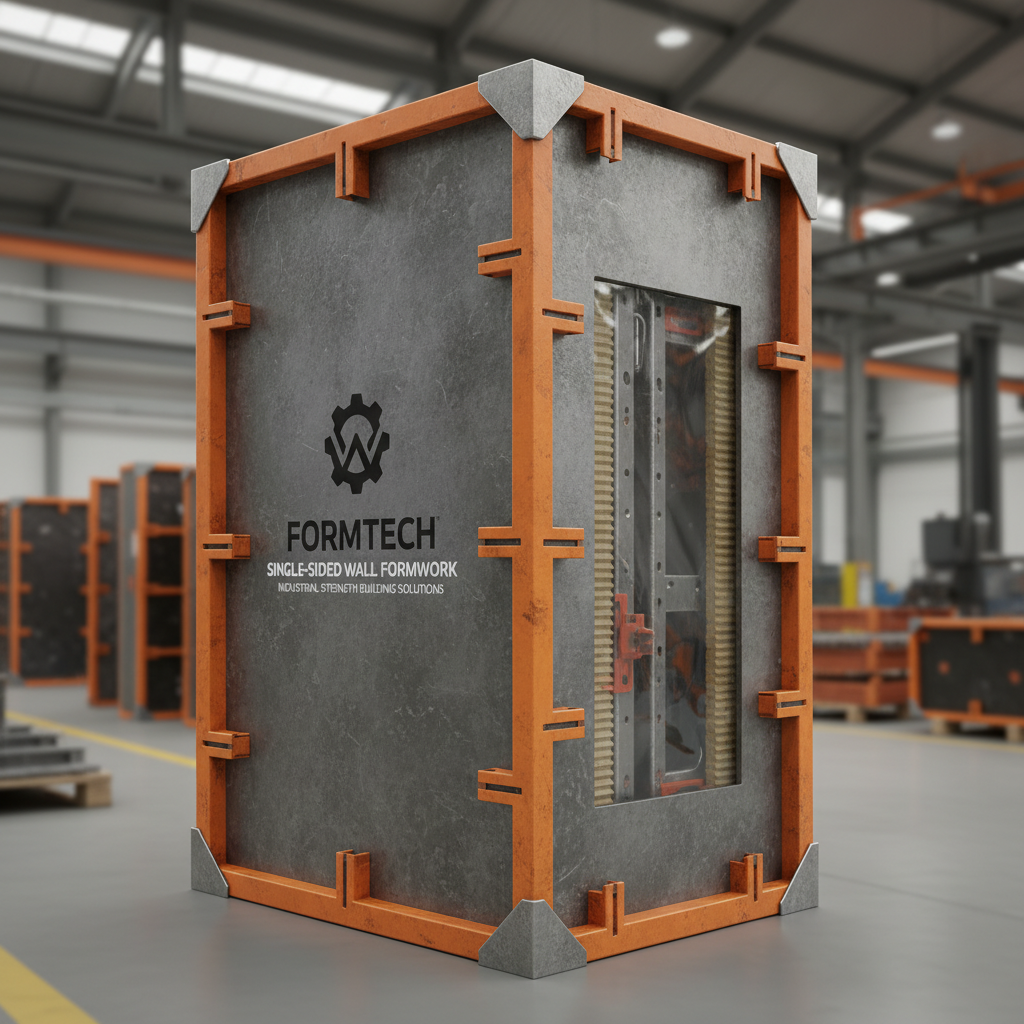
Single sided wall formwork represents a crucial advancement in modern construction, particularly in high-rise buildings and projects demanding rapid turnaround times. It's a system designed for the efficient construction of concrete walls where access is limited to one side, commonly utilized in scenarios like shear walls, core walls, and retaining structures. The global demand for faster, safer, and more cost-effective construction methods is driving the increased adoption of single sided wall formwork, making it a vital component of the construction landscape.
The relevance of single sided wall formwork extends far beyond simple construction speed. In densely populated urban areas, minimizing disruption and accelerating project completion are paramount. This formwork enables just that, allowing for faster construction cycles without compromising structural integrity. Furthermore, as global infrastructure development continues to accelerate, particularly in emerging economies, solutions like single sided wall formwork are essential to meet the growing demand for robust and quickly erected infrastructure.
Understanding the principles and applications of single sided wall formwork is becoming increasingly important for engineers, contractors, and developers alike. It’s a system that promises significant benefits, from improved efficiency and reduced labor costs to enhanced safety and structural performance. Successfully implementing this formwork requires a strong understanding of its capabilities and limitations, making continued learning and innovation within the field critical.
The Fundamentals of Single Sided Wall Formwork
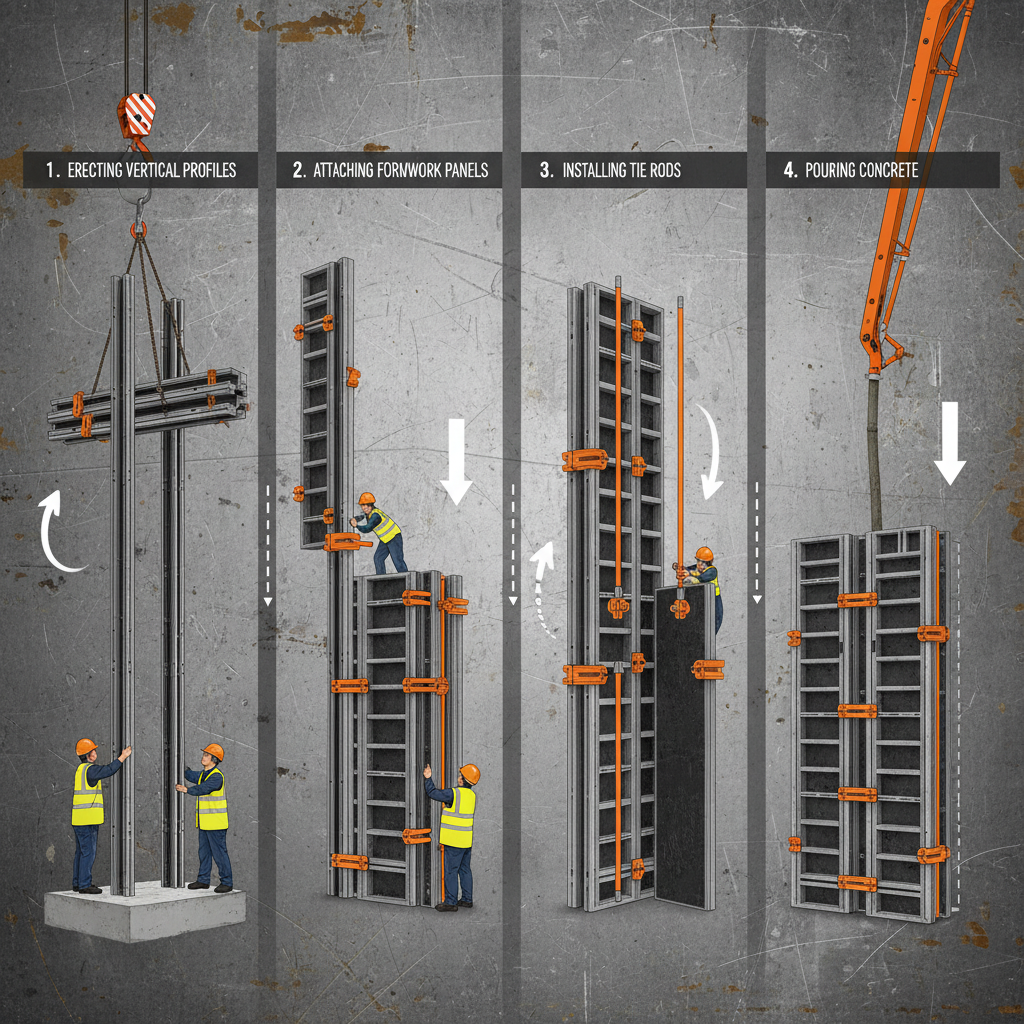
Single sided wall formwork is fundamentally about creating a concrete structure against a single facing. This contrasts with traditional formwork which typically requires support from both sides. This is particularly beneficial in situations where one side of the wall is adjacent to an existing structure or has limited access. The system’s strength lies in its ability to self-support during concrete pouring, often utilizing tie rods and anchor systems to ensure stability.
The design and implementation of single sided wall formwork necessitates careful planning and engineering. Factors like concrete mix design, pour height, and the load-bearing capacity of the supporting structure are all critical considerations. Precise execution and adherence to safety regulations are paramount to ensuring a successful outcome and avoiding structural failures. single sided wall formwork is a critical part of modern construction.
Defining Single Sided Wall Formwork
Simply put, single sided wall formwork is a construction technique enabling the creation of concrete walls with formwork support on only one side. It’s not merely an adaptation of traditional formwork; it represents a dedicated system engineered for specific challenges. This type of formwork is widely employed where two-sided access is impractical, such as constructing walls against existing buildings, slopes, or in confined spaces.
The connection to modern industry demands for efficiency and space optimization is direct. In urban environments, where land is expensive and construction sites are often limited in size, single sided wall formwork allows for a faster and more economical build process. Its adoption reflects a broader trend towards innovative construction methods focused on minimizing disruption and maximizing resource utilization.
The significance of this technique extends beyond commercial projects. It's finding increasing use in infrastructure projects, like bridge abutments and retaining walls, where accessibility is limited and robust structural support is essential. Furthermore, the system's adaptability makes it suitable for a variety of concrete wall geometries, enhancing its overall versatility.
Key Components and Design Considerations
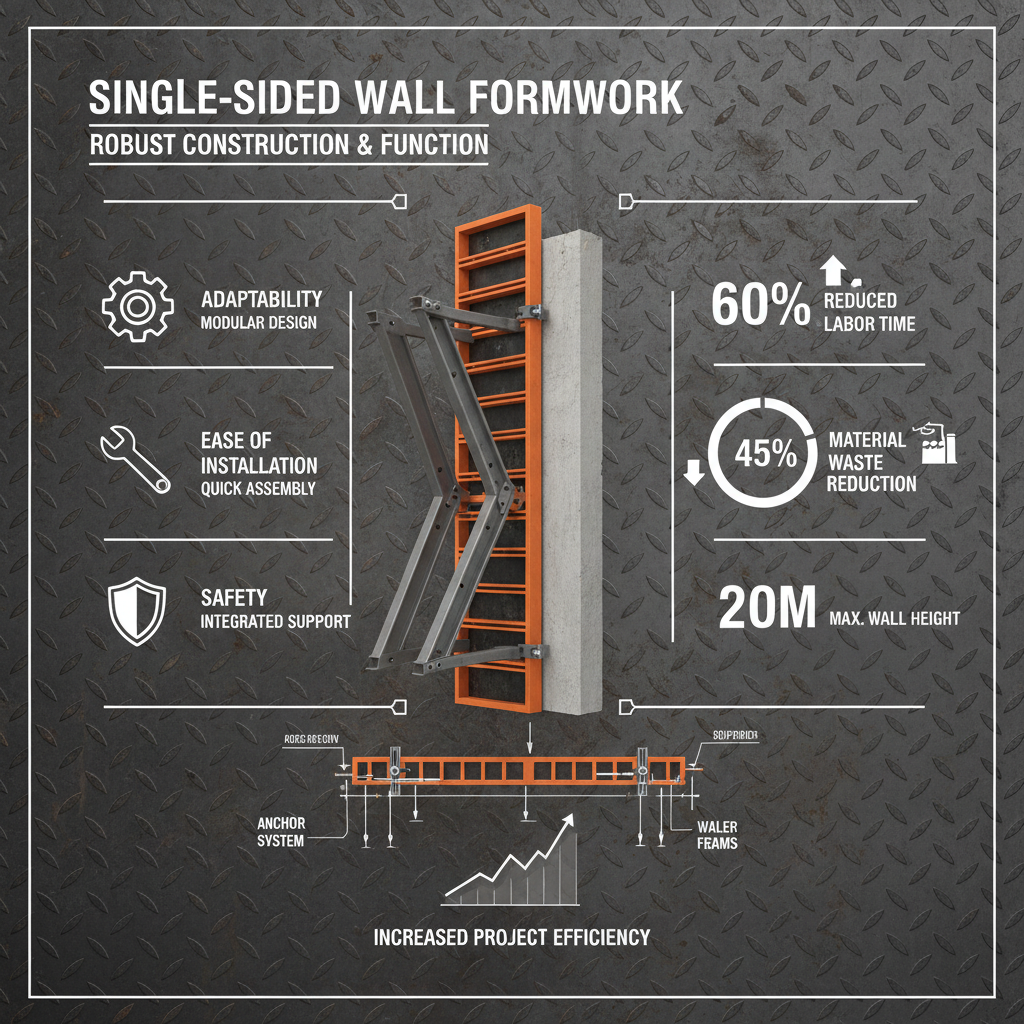
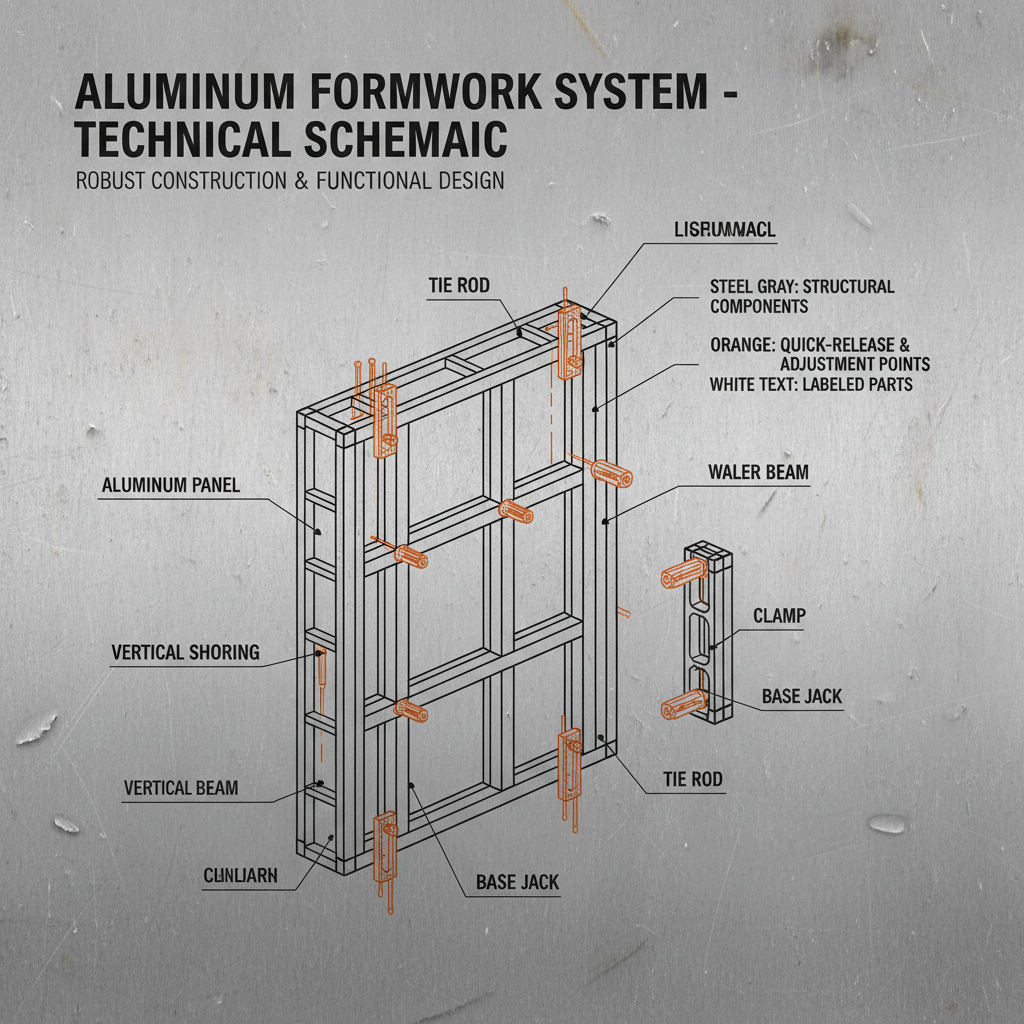
The core of any single sided wall formwork system revolves around several key components. Firstly, the formwork panels themselves – typically constructed from steel or aluminum – provide the mold for the concrete. Secondly, a robust tie rod system anchors the formwork to the existing structure or foundation, ensuring stability during the pour. Thirdly, bracing and waler systems provide additional support, preventing deflection and maintaining the formwork’s alignment.
Beyond the physical components, design considerations are paramount. Concrete mix design must account for the single-sided support, often requiring adjustments to slump and setting time. The load-bearing capacity of the existing structure needs thorough evaluation to ensure it can withstand the pressure exerted by the wet concrete. Careful planning of pour sequences and lifting points is also vital to ensure safe and efficient construction.
Effective design necessitates a deep understanding of the structural loads and the properties of the materials involved. Collaboration between structural engineers, formwork specialists, and contractors is crucial to developing a safe, efficient, and cost-effective solution. Improperly designed or implemented single sided wall formwork can lead to structural failure and potentially catastrophic consequences.
Global Applications of Single Sided Wall Formwork
Single sided wall formwork finds widespread application across the globe, adapting to diverse construction projects and environmental conditions. In urban centers like Hong Kong and New York, it's commonly used for constructing high-rise core walls and shear walls where space is severely limited. Its efficiency allows for quicker completion times, minimizing disruption to surrounding areas.
The technique also proves invaluable in infrastructure projects. In mountainous regions, like the Alps, it’s utilized to build retaining walls and bridge abutments where access is challenging and traditional formwork is impractical. Similarly, in coastal areas, it’s employed for constructing seawalls and waterfront structures.
Comparative Performance of single sided wall formwork Methods
Advantages and Long-Term Value Proposition
The advantages of utilizing single sided wall formwork are multifaceted. Firstly, it offers significant cost savings by reducing material requirements and labor hours. The streamlined construction process translates to faster project completion times, minimizing financing costs and accelerating return on investment. This makes it particularly attractive for large-scale projects with tight deadlines.
Beyond economic benefits, single sided wall formwork offers enhanced safety. By reducing the need for extensive scaffolding and access platforms, it minimizes the risk of falls and other on-site accidents. Moreover, the improved structural integrity and precision of the finished wall contribute to long-term durability and reduced maintenance costs.
Future Trends and Innovation in Single Sided Wall Formwork
The future of single sided wall formwork is intrinsically linked to broader trends in construction technology. We are seeing a growing integration of Building Information Modeling (BIM) to optimize formwork design and prefabrication. This allows for precise coordination and minimizes on-site adjustments, leading to even greater efficiency and accuracy.
The development of lighter and more durable materials, such as fiber-reinforced polymers, is also poised to revolutionize single sided wall formwork. These materials offer increased strength-to-weight ratios, making them easier to handle and reducing the overall load on supporting structures. Automated formwork systems, incorporating robotics and AI, are also on the horizon, promising further enhancements in speed and precision.
Challenges and Solutions in Implementation
Despite its many advantages, implementing single sided wall formwork is not without its challenges. One common hurdle is ensuring adequate anchorage to the existing structure, particularly in older buildings or those with irregular surfaces. This requires careful assessment and potentially the use of specialized anchoring techniques.
Another challenge is managing concrete pressure during the pour, especially for high walls. This necessitates precise control of the concrete mix and the use of appropriate bracing and support systems. Proper training and expertise are essential for ensuring a safe and successful outcome.
Innovative solutions, such as self-climbing formwork systems and advanced monitoring technologies, are addressing these challenges. These systems provide automated support and real-time feedback, ensuring the formwork remains stable and aligned throughout the construction process.
Summary of Common Challenges & Mitigation Strategies in Single Sided Wall Formwork
| Challenge |
Severity (1-5) |
Mitigation Strategy |
Cost Impact (Low/Medium/High) |
| Inadequate Anchorage |
4 |
Utilize specialized anchoring systems; structural reinforcement. |
Medium |
| Concrete Pressure Management |
3 |
Adjust concrete mix; implement robust bracing. |
Low |
| Limited Access |
2 |
Employ self-climbing formwork; phased construction. |
High |
| Formwork Deflection |
3 |
Increase waler density; utilize stiffer formwork panels. |
Low |
| Weather Conditions |
2 |
Schedule pours during favorable weather; implement weather protection. |
Low |
| Skill Gap in Workforce |
4 |
Provide comprehensive training; hire experienced personnel. |
Medium |
FAQS
Safety is paramount. Prioritize thorough inspection of formwork components before use, ensuring they are free from damage. Proper anchoring to the existing structure is crucial, and a detailed load calculation must be performed to ensure stability during the concrete pour. Regular monitoring and adherence to safety protocols are essential to prevent accidents and ensure a safe working environment for all personnel involved.
While the initial cost of single sided formwork can sometimes be higher, the overall project cost is often lower. This is due to reduced material usage (less formwork lumber, bracing, etc.), faster construction times, and lower labor costs. The savings in time and resources can significantly outweigh the upfront investment, making it a more economical choice, especially for projects with tight deadlines or limited space.
Concrete mix designs for single sided wall formwork require careful consideration. Lower slump concrete (typically between 4-6 inches) is preferred to minimize hydrostatic pressure on the formwork. The use of set-retarding admixtures can also be beneficial, particularly in hot weather, to allow sufficient time for placement and vibration. It's crucial to consult with a concrete specialist to determine the optimal mix design for the specific project conditions.
Yes, with proper planning and engineering, single sided wall formwork can be adapted to accommodate walls with complex geometries. This often involves the use of modular formwork panels that can be configured to create curves, angles, and other non-standard shapes. Utilizing BIM modeling can be invaluable in designing and visualizing these complex formwork systems before construction begins.
Single sided wall formwork has limitations. It's generally not suitable for very thin walls or walls requiring a high degree of surface finish. It also requires a stable and adequately strong existing structure to anchor to. Projects with extremely challenging site conditions or limited access can also pose significant challenges. A thorough site assessment is vital to determine its suitability.
Comprehensive training is essential for all personnel involved in the installation and use of single sided wall formwork. Training should cover proper assembly and disassembly procedures, anchoring techniques, concrete placement guidelines, safety protocols, and inspection procedures. Competency certification is highly recommended to ensure workers have the necessary skills and knowledge to perform their tasks safely and effectively.
Conclusion
In conclusion, single sided wall formwork represents a significant advancement in concrete construction, offering a compelling blend of efficiency, safety, and cost-effectiveness. Its ability to address the challenges of limited access and demanding project timelines makes it an increasingly vital tool for modern construction professionals. The adoption of this technology isn't simply about building faster; it’s about building smarter, safer, and more sustainably.
Looking ahead, continued innovation in materials, automation, and digital integration will further enhance the capabilities of single sided wall formwork. Embracing these advancements will be key to unlocking even greater benefits and ensuring that this technology remains at the forefront of the construction industry. For those seeking cutting-edge formwork solutions, visit our website at www.constrframe.com.