The modern construction landscape is undergoing a rapid transformation, where the demand for precision and speed has made the wall shuttering system an indispensable asset for structural engineers. By providing a temporary mold that ensures the geometric integrity of concrete walls, these systems eliminate the inconsistencies often found in traditional timber formwork, allowing for a seamless transition from blueprints to physical structures.
Across the globe, the shift toward industrialization in building processes is driven by the need for sustainable and scalable infrastructure. A high-performance wall shuttering system does more than just hold concrete; it optimizes labor costs, reduces material waste, and enhances the overall safety of the job site, making it a cornerstone of urban development in emerging economies.
Understanding the nuances of these systems—from the selection of reinforcement accessories to the integration of keel steel—is essential for any project manager aiming for operational excellence. As we explore the technical depths of wall formwork, it becomes clear that the right system not only accelerates the project timeline but also guarantees a level of structural durability that meets stringent international ISO standards.
Global Relevance of Wall Shuttering Systems
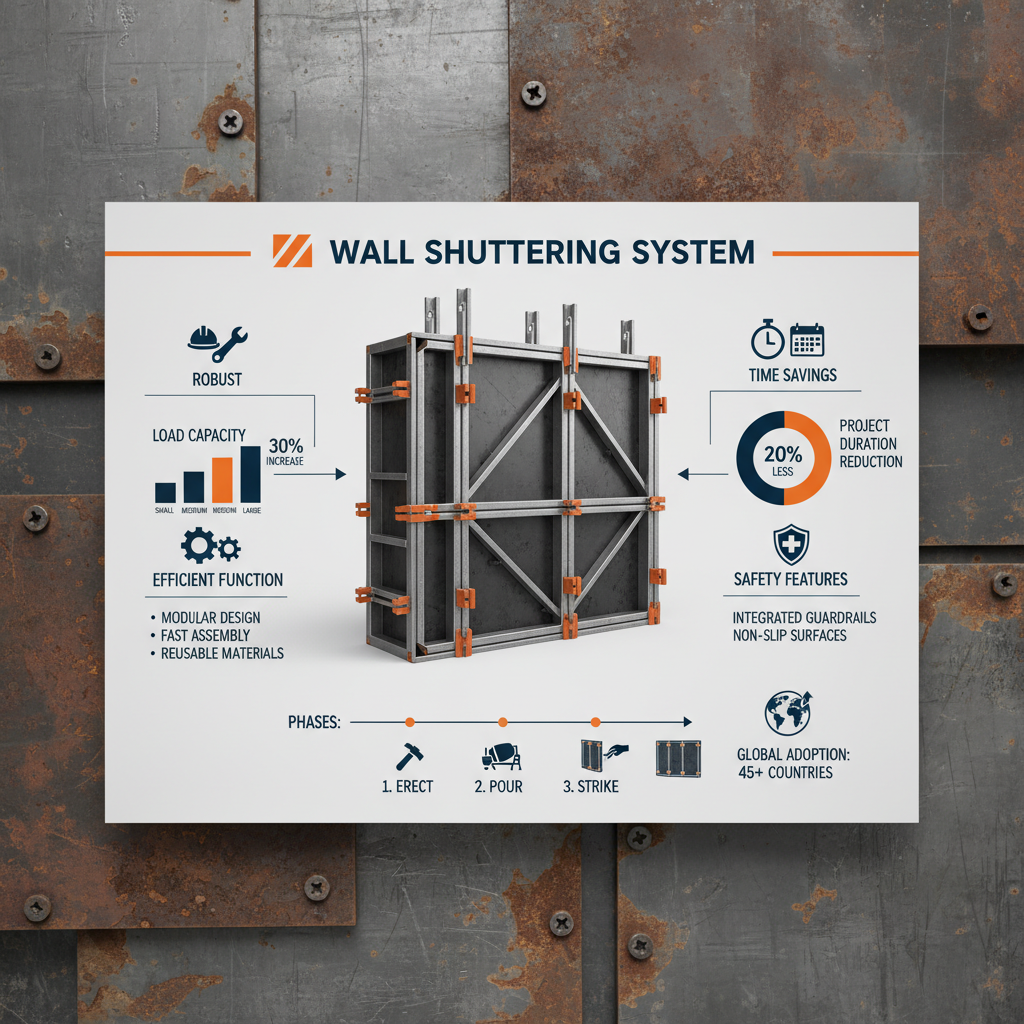
In the current era of rapid urbanization, the global construction industry faces an unprecedented challenge: building faster without compromising safety. According to data trends aligned with World Bank infrastructure goals, the transition from manual timber shuttering to an engineered wall shuttering system has reduced construction cycles by up to 30% in high-density urban projects. This shift is not merely about speed; it is about creating a predictable, repeatable process that mitigates the risks of structural failure and material overflow.
The global relevance of these systems is further amplified by the rise of modular construction and the need for "green" buildings. By utilizing reusable steel or aluminum components, a professional wall shuttering system minimizes the ecological footprint of a project, replacing thousands of single-use wooden planks with durable, recyclable alternatives. This alignment with global sustainability goals makes the adoption of advanced formwork a strategic imperative for firms operating on an international scale.
Defining the Modern Wall Shuttering System
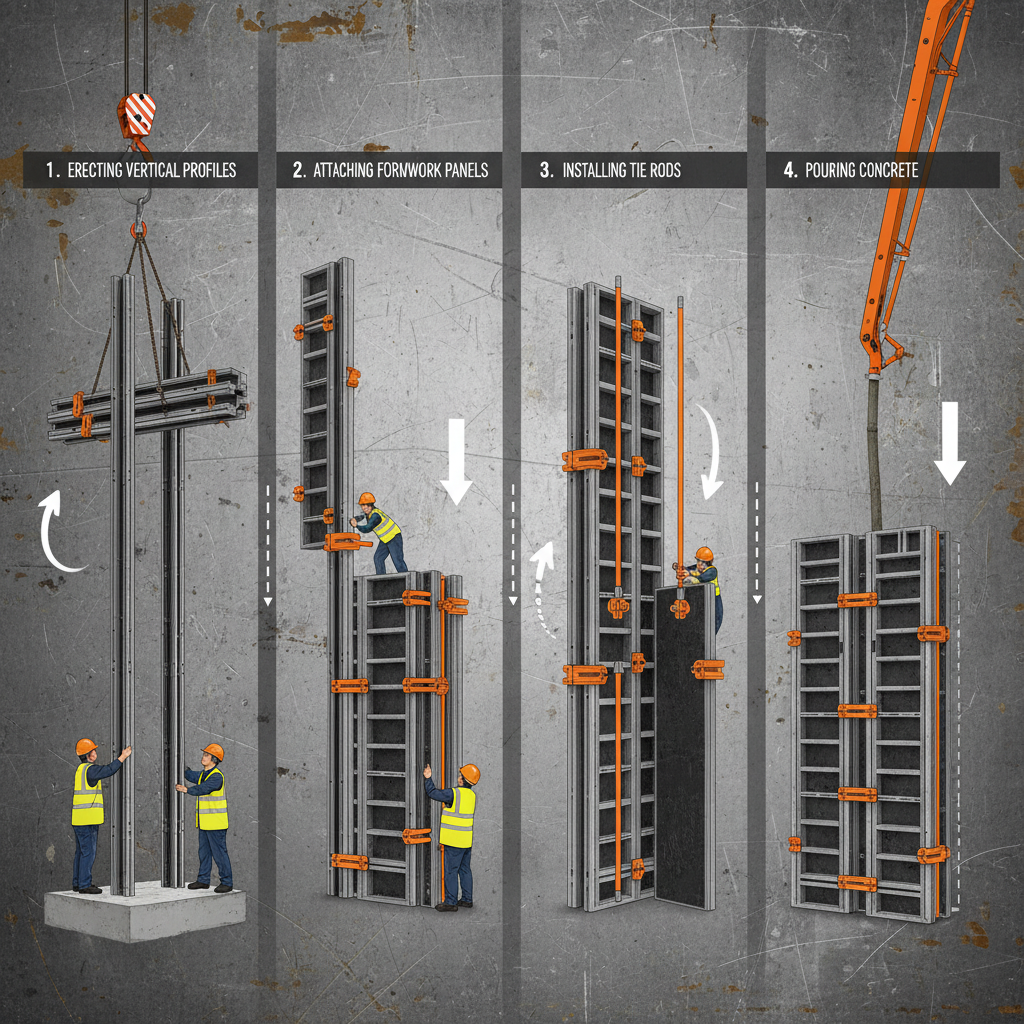
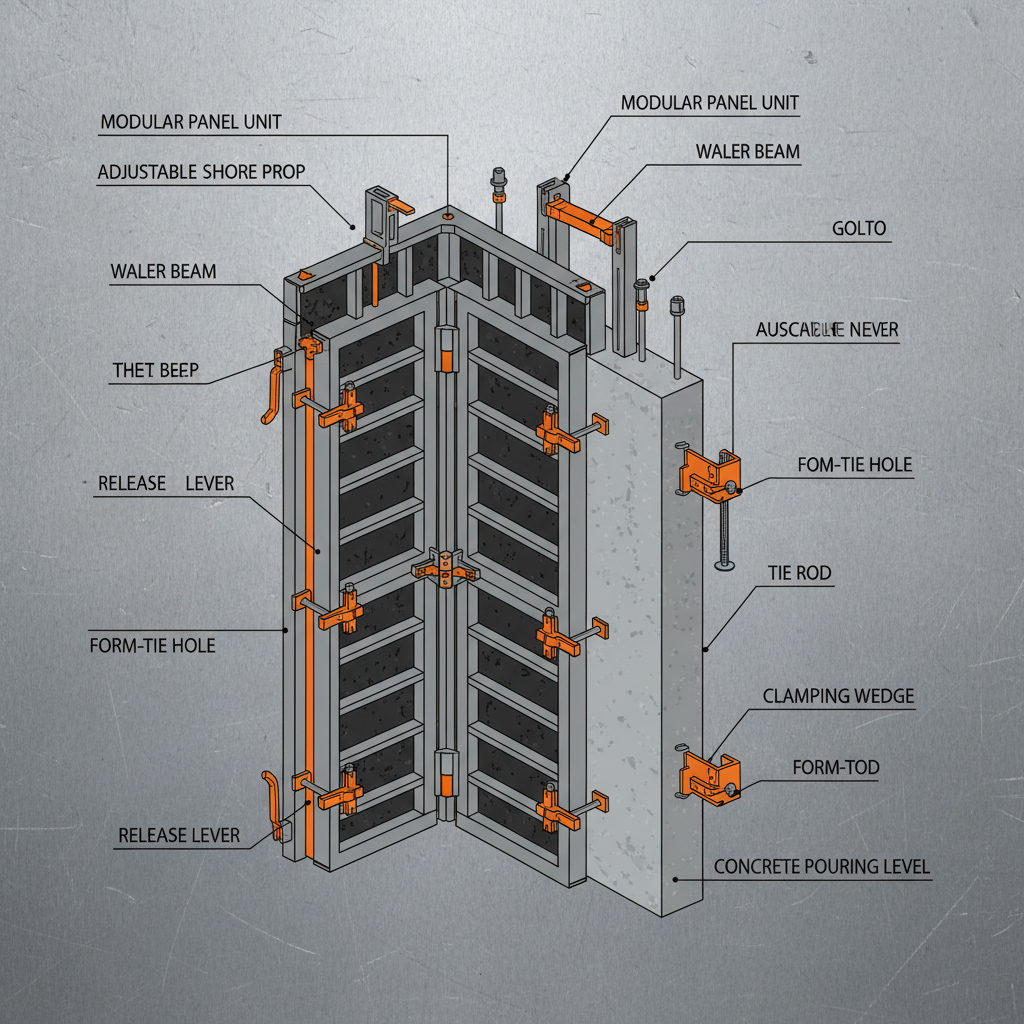
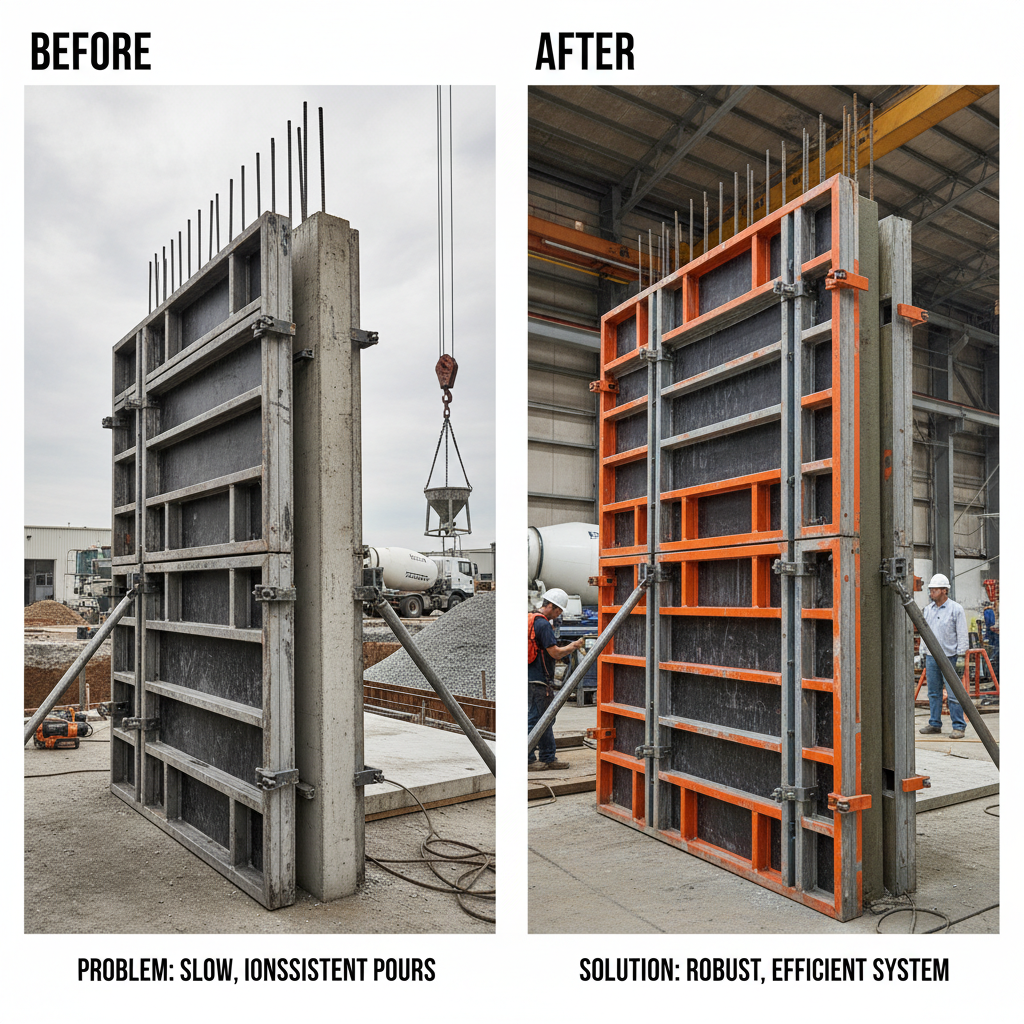
At its core, a wall shuttering system is a temporary structural assembly designed to support fluid concrete until it gains sufficient strength to support its own weight. Unlike basic molds, a modern system is a complex ecosystem of panels, walers, and ties that work in unison to resist the immense hydrostatic pressure exerted by wet concrete. It transforms the chaotic process of pouring walls into a precise science, ensuring that every vertical surface is perfectly plumb and square.
Beyond the technical definition, these systems represent the intersection of metallurgy and civil engineering. The integration of high-strength alloys and precision-engineered locking mechanisms allows for a "plug-and-play" approach to construction. This evolution is critical for humanitarian needs, such as the rapid deployment of hospitals or housing in disaster-stricken areas, where the ability to erect stable concrete walls quickly can save lives and restore dignity to displaced populations.
In the context of the modern manufacturing industry, these systems are categorized by their versatility. Whether utilizing large-scale panels for industrial warehouses or specialized narrow forms for residential foundations, the objective remains the same: achieving a "fair-faced" concrete finish that requires minimal post-processing. This reduction in corrective labor is what separates a professional-grade system from traditional, makeshift shuttering methods.
Core Components for Structural Integrity
The effectiveness of any wall shuttering system depends on the synergy of its components. The primary panels serve as the face of the wall, but the true strength lies in the supporting framework. Horizontal reinforcement keels and keel steel are utilized to prevent the panels from bowing under pressure, ensuring that the finished wall maintains a consistent thickness throughout its entire height.
Crucial to the assembly are the reinforcement accessories and scaffolding components that provide the necessary stability. Square column reinforcement and specialized standards—including early release mechanisms—allow workers to strip the formwork efficiently without damaging the curing concrete. This precision in accessory selection is what enables the system to be reused hundreds of times across different project phases.
Finally, the integration of timber steel and high-tension tie rods ensures that the two sides of the wall formwork remain perfectly parallel. When these elements are combined, the wall shuttering system becomes a rigid exoskeleton. This structural rigidity is what allows engineers to pour concrete at higher rates of speed, knowing that the formwork will not fail under the increased load.
Performance Metrics and Efficiency Gains
When evaluating a wall shuttering system, the primary metrics for success are cycle time, waste reduction, and surface quality. Traditional methods often suffer from "blow-outs" or leaks, which lead to costly rework and material waste. In contrast, an engineered system provides a sealed environment that optimizes the hydration process of the concrete, resulting in higher compressive strength and a smoother aesthetic finish.
Moreover, the labor efficiency gained through the use of modular components is staggering. By reducing the need for skilled carpentry on-site and replacing it with a systematic assembly process, contractors can significantly lower their overhead. The following data illustrates how different configurations of wall shuttering systems compare in terms of operational ratings across key performance indicators.
Operational Performance of Wall Shuttering System Variations
Global Applications and Industrial Use Cases
The versatility of the wall shuttering system allows it to be deployed in a vast array of environments, from the skyscrapers of Dubai to the hydroelectric dams of Brazil. In heavy industrial zones, these systems are used to create massive containment walls and reinforced foundations that must withstand extreme chemical exposure and physical pressure. The ability to customize panel sizes and reinforcement levels makes them ideal for these high-stakes environments.
Furthermore, in post-disaster relief operations, rapid-deployment concrete wall systems are utilized to build permanent shelters and critical infrastructure. By utilizing prefabricated wall shuttering system components, NGOs and governments can transition from temporary tents to durable concrete structures in a fraction of the time normally required. This application proves that the system is not just a tool for profit, but a vital instrument for global resilience and humanitarian stability.
Long-Term Value and Sustainability Benefits
Investing in a premium wall shuttering system provides long-term financial value through the principle of amortization. While the initial capital expenditure is higher than that of traditional timber, the cost per use drops precipitously as the system is reused across multiple projects. This reliability fosters a culture of trust between the contractor and the client, as the consistency of the concrete finish eliminates the need for expensive plastering or corrective coatings.
From a sustainability perspective, the reduction in deforestation is a significant win. By eliminating the reliance on disposable plywood, the industry can drastically lower its carbon footprint. Additionally, the precision of these systems reduces the amount of concrete wasted during the pour, directly decreasing the amount of CO2 emitted during cement production—one of the world's largest industrial polluters.
Beyond the numbers, there is an emotional and social value to utilizing advanced formwork. On-site safety is vastly improved; the reduction in manual hammering and the use of secure, engineered locking mechanisms minimize the risk of workplace accidents. When workers feel safe and the process is streamlined, the overall quality of the build improves, reflecting a commitment to excellence and human dignity in the construction process.
Future Trends in Concrete Formwork Automation
The future of the wall shuttering system is inextricably linked to the digital transformation of the construction site. We are seeing the integration of BIM (Building Information Modeling) where formwork is planned in a 3D virtual environment before a single piece of steel is moved. This ensures that every panel and accessory is optimized for the specific geometry of the building, eliminating on-site errors and further accelerating the timeline.
Automation is also entering the fray through the development of robotic formwork assembly. Imagine a system where autonomous cranes and robotic arms position the wall shuttering system panels based on real-time sensor data. This would not only remove humans from the most dangerous areas of the site but also achieve a level of precision—down to the millimeter—that is impossible with manual labor.
Finally, the emergence of "smart materials" is set to revolutionize the industry. Future shuttering systems may incorporate sensors that monitor the temperature and moisture levels of the curing concrete in real-time, alerting engineers exactly when the formwork can be safely removed. This data-driven approach will maximize the efficiency of the wall shuttering system, turning a static mold into an intelligent part of the construction ecosystem.
Comparative Analysis of Wall Shuttering System Technology
| System Type |
Installation Speed |
Reuse Cycle |
Surface Quality |
| Traditional Timber |
Slow |
Low (1-3 times) |
Rough |
| Steel Modular |
Fast |
High (100+ times) |
Smooth |
| Aluminum Panel |
Very Fast |
Medium (50+ times) |
Excellent |
| Climbing System |
Automatic |
Very High |
Professional |
| Slipform System |
Continuous |
High |
Industrial |
| Hybrid Plastic |
Fast |
Medium |
Smooth |
FAQS
A professional wall shuttering system offers superior dimensional stability, drastically reducing the risk of wall bowing or blow-outs. Unlike timber, which warps and degrades after a few uses, steel and aluminum systems are engineered for hundreds of cycles, providing a consistent, smooth surface finish that eliminates the need for expensive post-pour patching and significantly reduces material waste.
While the initial procurement cost is higher than timber, the long-term ROI is significantly better. Costs are lowered through reduced labor hours for assembly and stripping, minimal material waste, and the elimination of corrective work on the concrete surface. Over a large-scale project, the cost-per-square-meter of the wall is substantially lower when using a reusable engineered system.
Yes, modern wall shuttering systems are designed for versatility. While modular panels handle straight walls, the systems can be integrated with adjustable reinforcement accessories and custom-curved panels to accommodate complex geometries. The use of BIM planning further allows engineers to customize the shuttering layout to match unique architectural requirements without sacrificing speed.
Depending on the quality of the steel and the maintenance routine, a high-grade system can last for hundreds of pours. Regular cleaning of concrete residue and the application of release agents prevent corrosion and surface pitting, ensuring that the system maintains its structural integrity and finish quality for several years across multiple construction sites.
Engineered systems replace unreliable nails and bracing with precision-locking pins and high-tension ties. This reduces the likelihood of catastrophic formwork failure during the pour. Additionally, the reduction in manual cutting and hammering on-site lowers the risk of worker injury, creating a safer, more organized construction environment.
The choice depends on your priority: weight or durability. Aluminum systems are much lighter, reducing the need for heavy lifting equipment and speeding up manual handling. Steel systems, however, offer greater rigidity and a longer lifespan under extreme loads. For high-rise structures with massive pours, steel is preferred; for residential or fast-paced modular projects, aluminum is often the ideal choice.
Conclusion
The adoption of a high-performance wall shuttering system is no longer a luxury but a necessity for the modern construction firm. By integrating precision-engineered components—from keel steel to specialized reinforcement accessories—contractors can achieve an unparalleled balance of speed, safety, and structural quality. This transition from artisanal timber work to industrial formwork is the primary catalyst for reducing costs and environmental impact in the global building sector.
Looking forward, the convergence of automation and smart materials will further elevate the efficiency of wall formwork, turning every pour into a data-driven operation. For those seeking to lead in the competitive landscape of structural manufacturing, investing in these systems is the most reliable path toward operational excellence. To explore the best solutions for your next project, visit our website: www.constrframe.com