In the modern construction landscape, the stability and precision of concrete slabs are fundamentally dependent on the quality of the slab formwork support system. As urban infrastructure expands globally, the demand for high-load capacity and rapid assembly has transformed these supports from simple temporary props into engineered systems. Understanding the mechanics of these supports is essential for ensuring structural integrity and worker safety on high-rise and industrial sites.
From a global perspective, the shift toward prefabricated and modular metal components has drastically reduced the reliance on traditional timber, leading to more sustainable building practices. The integration of high-strength steel and precision engineering allows for thinner slabs with greater spans, optimizing the overall architecture of modern buildings. This evolution is driven by the need for increased efficiency and the reduction of material waste in large-scale projects.
Ultimately, investing in a premium slab formwork support solution is not merely about holding up concrete; it is about minimizing risk and maximizing profitability. By optimizing the load distribution and ensuring a perfectly level casting surface, contractors can avoid costly rework and accelerate project timelines. This comprehensive guide explores the technical nuances, global applications, and future innovations of slab support systems.
Global Relevance and Industry Context of Slab Formwork Support
The global construction industry is currently facing a critical juncture where the need for rapid urbanization meets stringent safety regulations. According to data trends aligned with ISO standards for structural safety, the failure of temporary supports is a leading cause of onsite accidents. This highlights the urgent need for standardized, high-strength slab formwork support systems that can withstand the immense hydrostatic pressure of wet concrete.
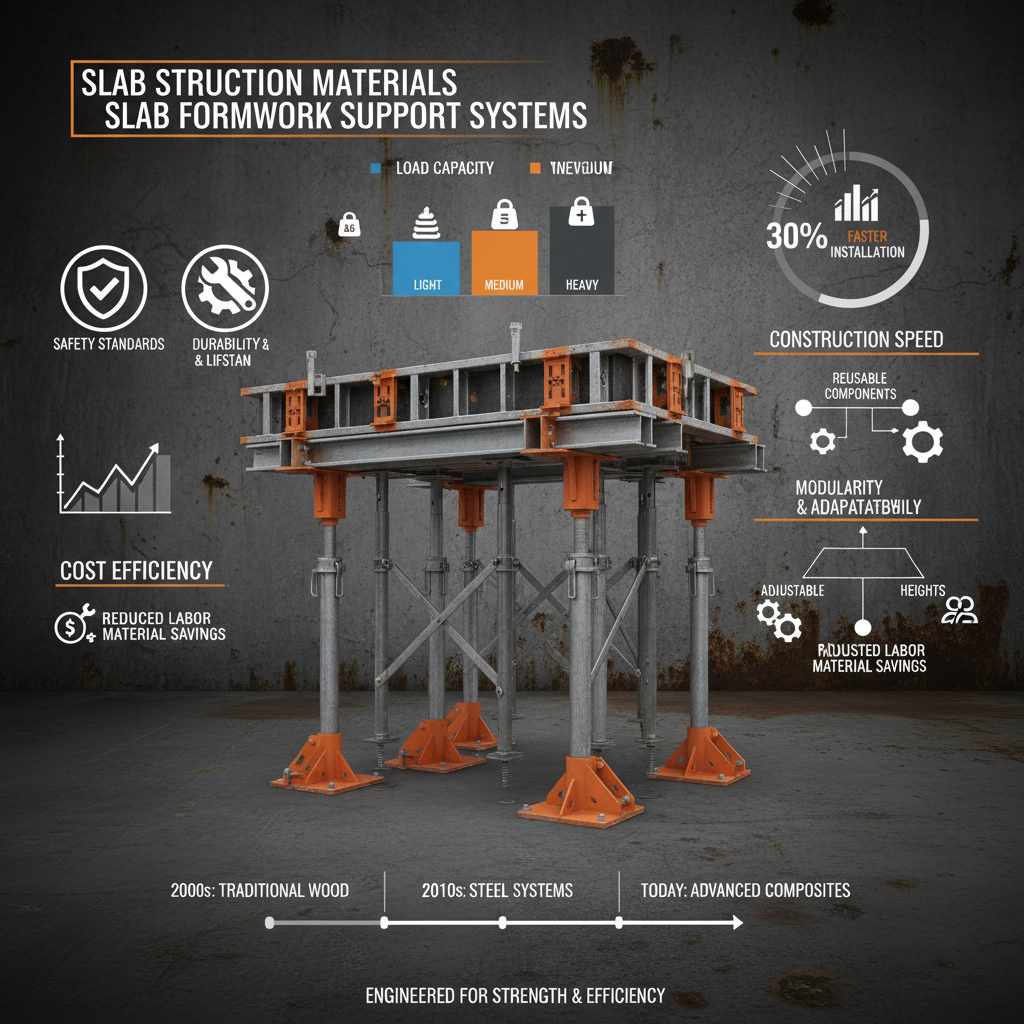
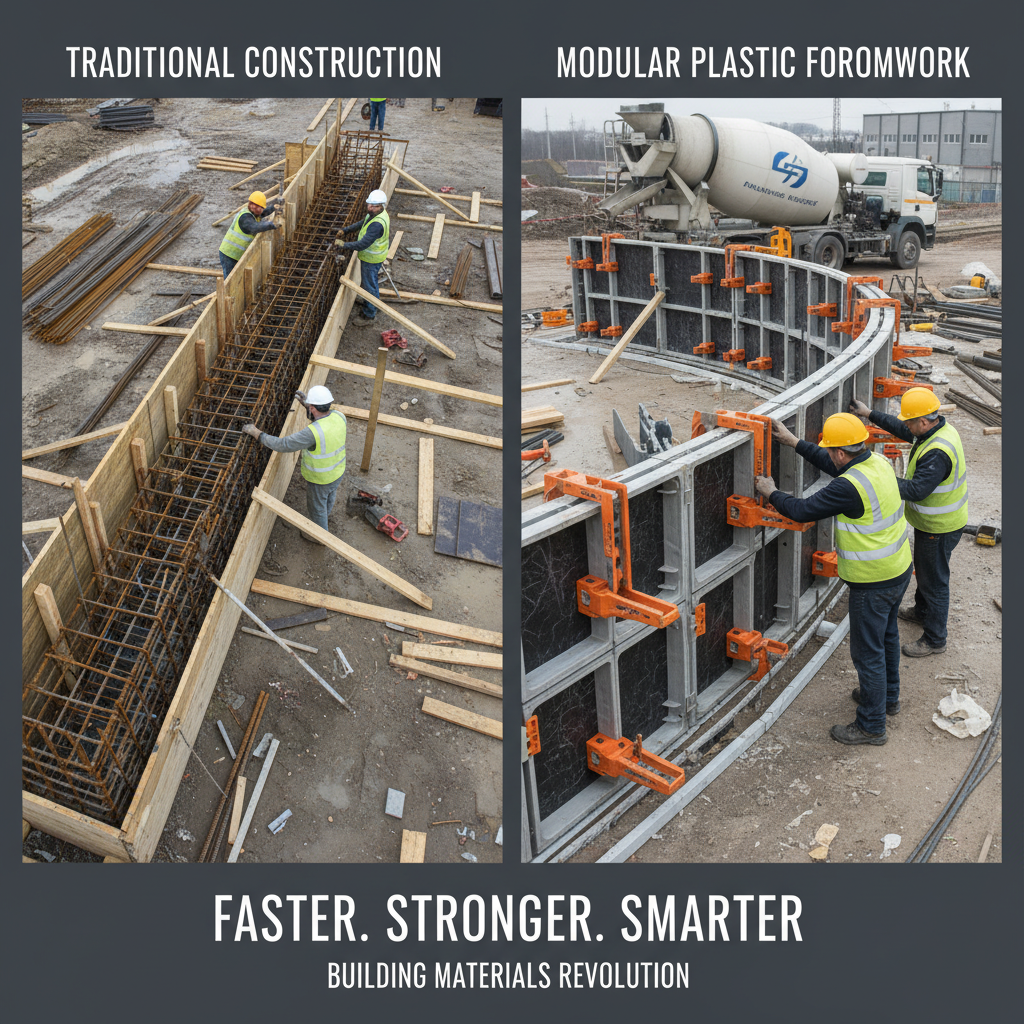
In emerging economies, the transition from haphazard timber shoring to engineered metal supports has led to a marked increase in productivity. By utilizing modular steel components, projects can be completed up to 30% faster, significantly reducing the overhead costs associated with labor and material waste. The global relevance of these systems extends beyond mere speed; it is about creating a predictable, safe environment for thousands of workers worldwide.
Definition and Technical Meaning of Slab Formwork Support
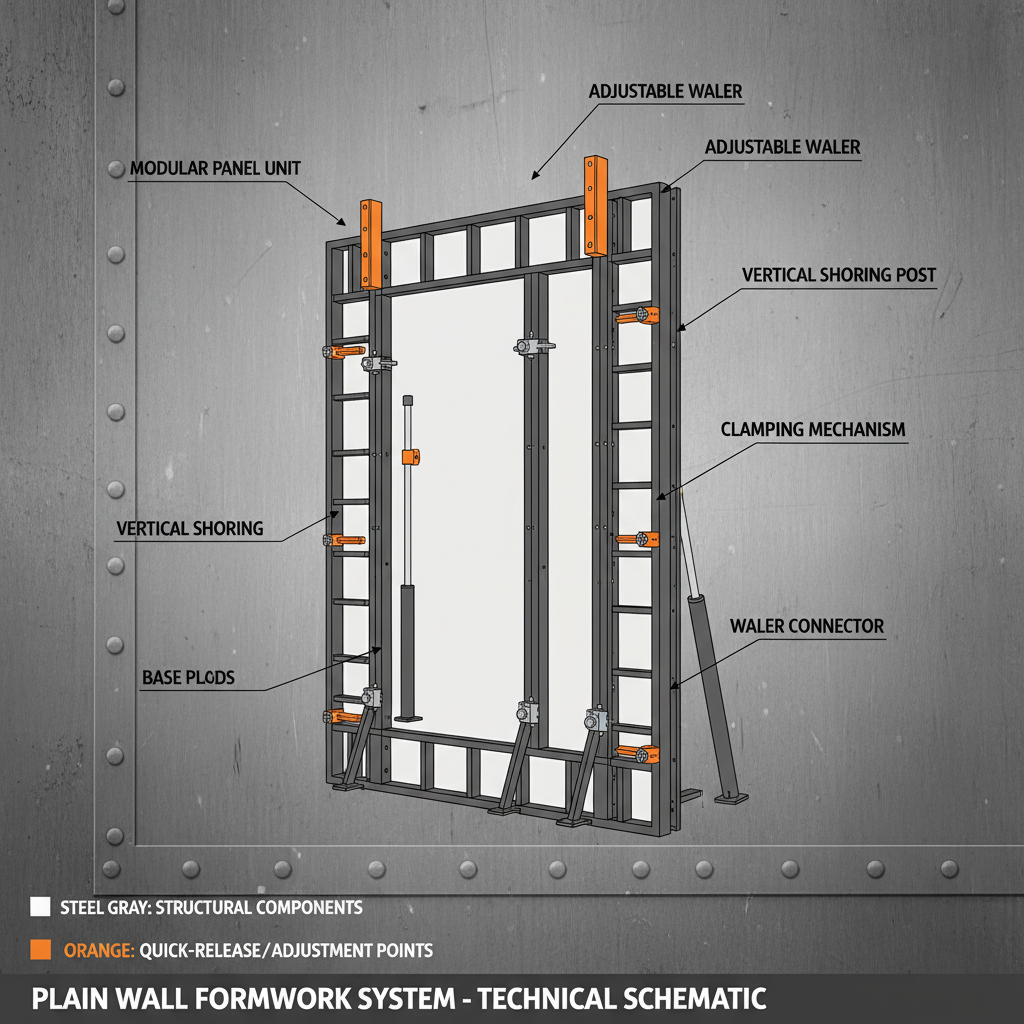
At its core, slab formwork support refers to the temporary structural assembly designed to hold the weight of wet concrete and the associated construction loads until the concrete achieves sufficient strength to support itself. This system typically consists of vertical shores, horizontal runners (such as keel steel), and stringers that collectively transfer the load from the slab surface down to the foundation or the floor below.
In the context of modern structural metal fabrication, these supports are no longer just "props" but are integrated systems. They incorporate precision-threaded jacks for height adjustment and interlocking mechanisms that ensure lateral stability. The synergy between the Horizontal Reinforcement Keel and the vertical standards creates a rigid grid that prevents deflection, ensuring that the final concrete slab is perfectly flat and within architectural tolerances.
Beyond the technical definition, these systems represent a humanitarian commitment to safety. By replacing unstable, makeshift supports with certified steel structures, the industry reduces the risk of catastrophic collapses. This evolution reflects a broader shift toward "Industrialized Construction," where the reliability of the support system is as critical as the design of the building itself.
Key Factors for High-Performance Slab Support Systems
Durability is the foremost requirement for any slab formwork support. Because these components are subjected to harsh site conditions, including moisture, chemicals from concrete, and repeated mechanical impact, the use of galvanized steel or high-grade coatings is non-negotiable. A durable support system reduces the replacement frequency, lowering the long-term cost of ownership for construction firms.
Scalability and adaptability allow a single set of equipment to be used across diverse project types. Whether supporting a thin residential slab or a massive industrial platform, the system must be easily adjustable. The use of modular accessories, such as adjustable U-heads and base jacks, ensures that the slab formwork support can be tailored to varying ceiling heights and load requirements without needing custom fabrication.
Cost efficiency is often misunderstood as buying the cheapest prop. In reality, true efficiency is found in the speed of installation and the reuse cycle. High-quality steel supports can be reused hundreds of times, whereas timber is often discarded after a few uses. When calculating the "per-pour" cost, engineered metal supports prove to be significantly more economical while providing a vastly superior safety margin.
Global Applications and Real-World Use Cases
The application of slab formwork support varies significantly depending on the regional architecture and environment. In the dense urban centers of East Asia, where skyscrapers are the norm, high-capacity support systems are used in conjunction with climbing formwork to create massive transfer slabs. These slabs must support the weight of dozens of floors above, requiring an incredibly dense and rigid support grid.
In remote industrial zones, such as oil and gas refineries in the Middle East, the focus shifts to rapid deployment and resistance to extreme temperatures. Here, modular supports that can be quickly assembled by smaller crews are preferred. In post-disaster relief operations, where permanent infrastructure must be rebuilt quickly, these systems allow for the rapid casting of reinforced concrete slabs for clinics and community centers, providing a foundation for recovery.
Performance Comparison of Slab Formwork Support Methods
Advantages and Long-Term Value in Construction
The transition to a professional slab formwork support system offers tangible logical benefits, primarily centered around reliability. When a contractor uses precision-engineered steel, the risk of slab sagging or "blow-outs" is nearly eliminated. This reliability fosters trust between the developer and the contractor, as the final finish of the concrete requires far less grinding and patching.
From an emotional and social perspective, the use of safe support systems provides peace of mind to the workforce. Knowing that the overhead structure is supported by certified, load-tested equipment increases worker confidence and morale. Furthermore, the sustainability aspect—reducing the amount of timber harvested for one-time use—aligns construction projects with global green building certifications like LEED, adding long-term value to the property.
Future Trends and Digital Innovations in Formwork
The future of slab formwork support is being shaped by the digital transformation of the construction site. We are seeing the emergence of "Smart Shoring," where load sensors are integrated into the vertical supports. These sensors provide real-time data to engineers, alerting them if a specific area of the slab is experiencing excessive pressure, thereby preventing accidents before they occur.
Material science is also evolving, with the introduction of high-strength, lightweight alloys that offer the strength of steel but the weight of aluminum. This reduces the physical strain on workers during assembly and decreases transportation costs. Additionally, the integration of BIM (Building Information Modeling) allows for the exact placement of every single support to be mapped digitally before a single piece of equipment arrives on site.
Automation is the final frontier. We are moving toward a reality where robotic arms or automated hydraulic systems can set and strike the slab formwork support with millimeter precision. This not only increases speed but removes humans from the most dangerous zones of the construction process, marking a new era of safety and efficiency.
Common Challenges and Expert Engineering Solutions
One of the most common challenges in using slab formwork support is the unevenness of the ground or the floor below. If the base is not perfectly stable, the entire support system can lean, leading to structural failure. The expert solution is the implementation of reinforced base plates and adjustable screw jacks, which compensate for surface irregularities and ensure a perfectly vertical load path.
Another recurring issue is the "striking" or removal process. Removing supports too early can lead to cracks, while removing them too late delays the project. The solution lies in utilizing concrete maturity sensors that measure the actual strength of the slab in real-time, allowing the slab formwork support to be removed at the exact moment the concrete reaches its required MPa.
Lastly, logistical bottlenecks often occur during the transport of bulky support components. By adopting modular, nesting designs, manufacturers have created supports that take up 50% less space during transit. This logistical optimization, combined with rigorous onsite training for workers, ensures that the technical advantages of the support system are fully realized without being hindered by operational inefficiencies.
Comparison of Slab Formwork Support Specifications by Load Capacity
|
Support Type
|
Max Load Capacity
|
Adjustment Range
|
Installation Speed
|
| Lightweight Steel Prop |
2.0 - 3.5 Tons |
1.5m - 3.0m |
Very Fast |
| Heavy Duty Shore |
4.0 - 7.0 Tons |
2.0m - 4.5m |
Fast |
| Modular Frame Tower |
15.0 - 30.0 Tons |
Variable/Stacked |
Moderate |
| Aluminum System |
1.5 - 3.0 Tons |
1.2m - 2.8m |
Instant |
| Hydraulic Support |
10.0 - 25.0 Tons |
Precision Micro |
Slow/Precise |
| Custom Steel Keel |
Variable |
Fixed |
Moderate |
FAQS
Steel supports offer significantly higher load-bearing capacity, greater durability, and a much longer reuse cycle compared to timber. While timber is often cheaper initially, steel supports provide better precision, reduced material waste, and enhanced safety, making them more cost-effective for professional construction projects.
Spacing is determined by the weight of the concrete slab, the weight of the formwork decking, and the anticipated live loads (workers and equipment). This calculation is typically performed by a structural engineer who refers to the load charts of the specific support system being used to ensure no single prop is overloaded.
Yes, these supports are frequently used for temporary ceiling installations, heavy equipment hoisting, and supporting structural steel beams during welding and bolting. Their versatility in height adjustment and load capacity makes them useful for various heavy-duty temporary support needs across the industrial sector.
Warning signs include visible bowing or deflection of the vertical props, audible cracking or popping sounds, and a noticeable dip in the formwork decking. If any of these occur, the area should be evacuated immediately, and additional supports should be installed following a structural review.
Supports should be inspected before every new pour and after any significant site incident. Inspections should focus on checking for bends in the tubes, stripped threads on the jacks, and the integrity of the locking pins. Any damaged component should be tagged and removed from service immediately.
While not strictly mandatory for indoor, short-term projects, galvanization is highly recommended. Concrete is alkaline and corrosive; without a protective coating, steel supports rust quickly, which compromises their structural integrity over time and reduces the number of times they can be safely reused.
Conclusion
The implementation of a high-quality slab formwork support system is a cornerstone of modern engineering that bridges the gap between architectural vision and structural reality. By focusing on durability, scalability, and precision, contractors can ensure that their projects are not only completed on time but are built to the highest safety standards. From the use of Horizontal Reinforcement Keels to the adoption of BIM-driven placement, the evolution of these supports reflects the industry's broader move toward efficiency and sustainability.
Looking forward, the integration of smart sensors and automated striking mechanisms will further revolutionize how we approach concrete casting. For construction professionals, the shift from "commodity" supports to "engineered" systems is no longer optional—it is a requirement for competitiveness in a global market. To ensure your next project is supported by the best in the industry, we invite you to explore our professional solutions. Visit our website: www.constrframe.com