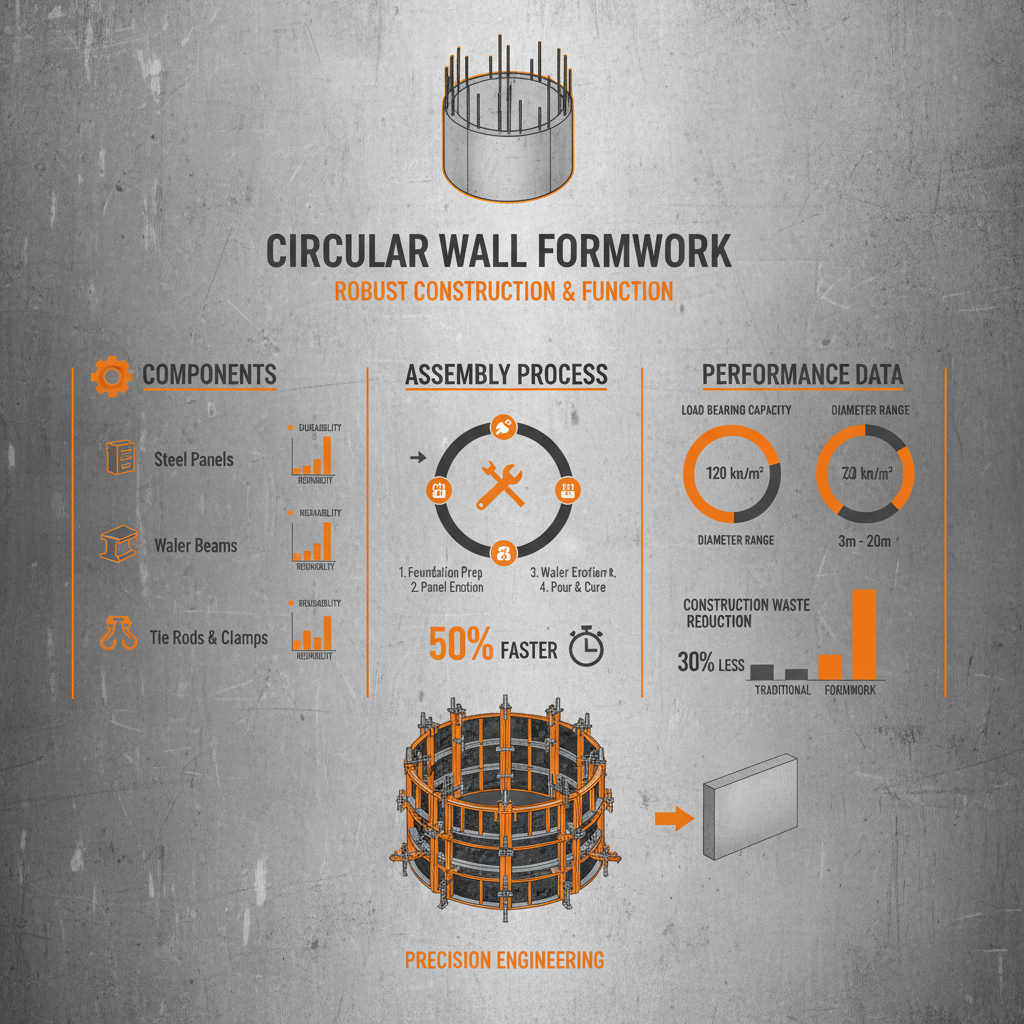
In the demanding landscape of modern civil engineering, the integrity of concrete structures relies heavily on the precision of their temporary frameworks. A high-quality shuttering support system is not merely a peripheral accessory but the critical backbone that ensures concrete maintains its shape and structural properties during the curing process. Without rigorous support, the risk of deformation or catastrophic failure increases, making the selection of robust materials a primary concern for project managers worldwide.
The global shift toward rapid urbanization and the construction of high-rise infrastructure have intensified the need for scalable and high-load bearing systems. From bridge abutments to industrial foundations, the implementation of advanced shuttering support allows for tighter tolerances and enhanced safety margins. As industry standards evolve, the integration of steel-based reinforcements over traditional timber has become the benchmark for efficiency and repeatability in heavy-duty construction.
Understanding the nuances of these support systems enables contractors to optimize their timelines and reduce material waste. By leveraging engineered solutions like Keel Steel and Square Column Reinforcement, the industry is moving toward a more sustainable model where components are reused across multiple projects. This guide explores the technical dimensions, applications, and future innovations of shuttering support to provide a comprehensive resource for professionals in the metal structural manufacturing sector.
Global Industry Context of Shuttering Support
On a global scale, the construction sector is under immense pressure to deliver infrastructure that is both durable and rapidly deployable. According to data reflecting international building trends, the transition from manual timber shuttering to engineered shuttering support has reduced on-site labor costs by approximately 20-30% in developed markets. The rise of mega-cities in Asia and Africa has further catalyzed the demand for standardized metal supports that can withstand the extreme pressures of high-volume concrete pours.
However, the industry faces a critical challenge: the balance between weight and load-bearing capacity. Many traditional systems are either too cumbersome to move efficiently or lack the rigidity required for complex architectural geometries. This gap has led to the innovation of high-tensile steel reinforcements and modular accessories that allow for a more agile approach to structural support without compromising the safety of the workers or the integrity of the build.
Defining Shuttering Support and Its Technical Role
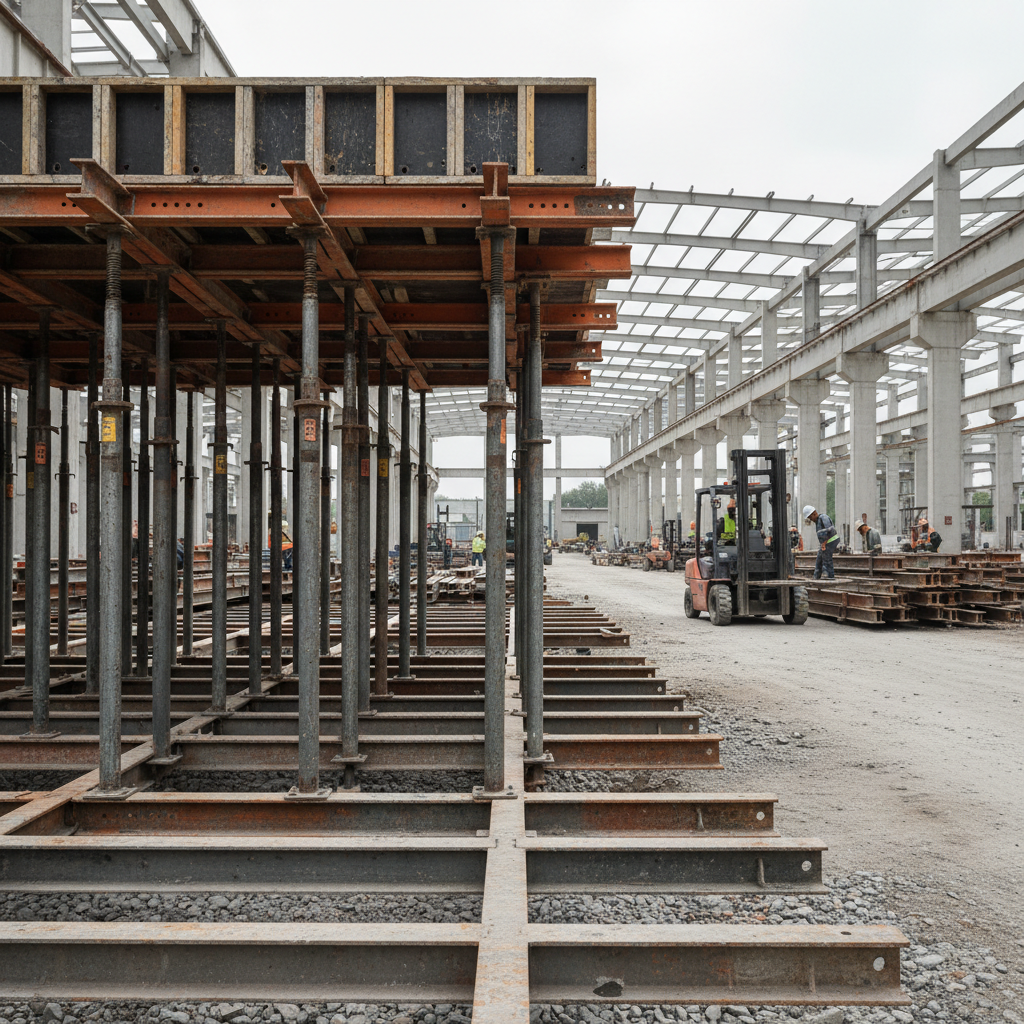
In simple technical terms, shuttering support refers to the temporary structure used to hold the formwork (shuttering) in place and support the weight of wet concrete until it reaches sufficient strength to support itself. It acts as the skeleton of the casting process, ensuring that the final concrete element—whether it be a slab, beam, or column—is perfectly aligned with the engineering blueprints.
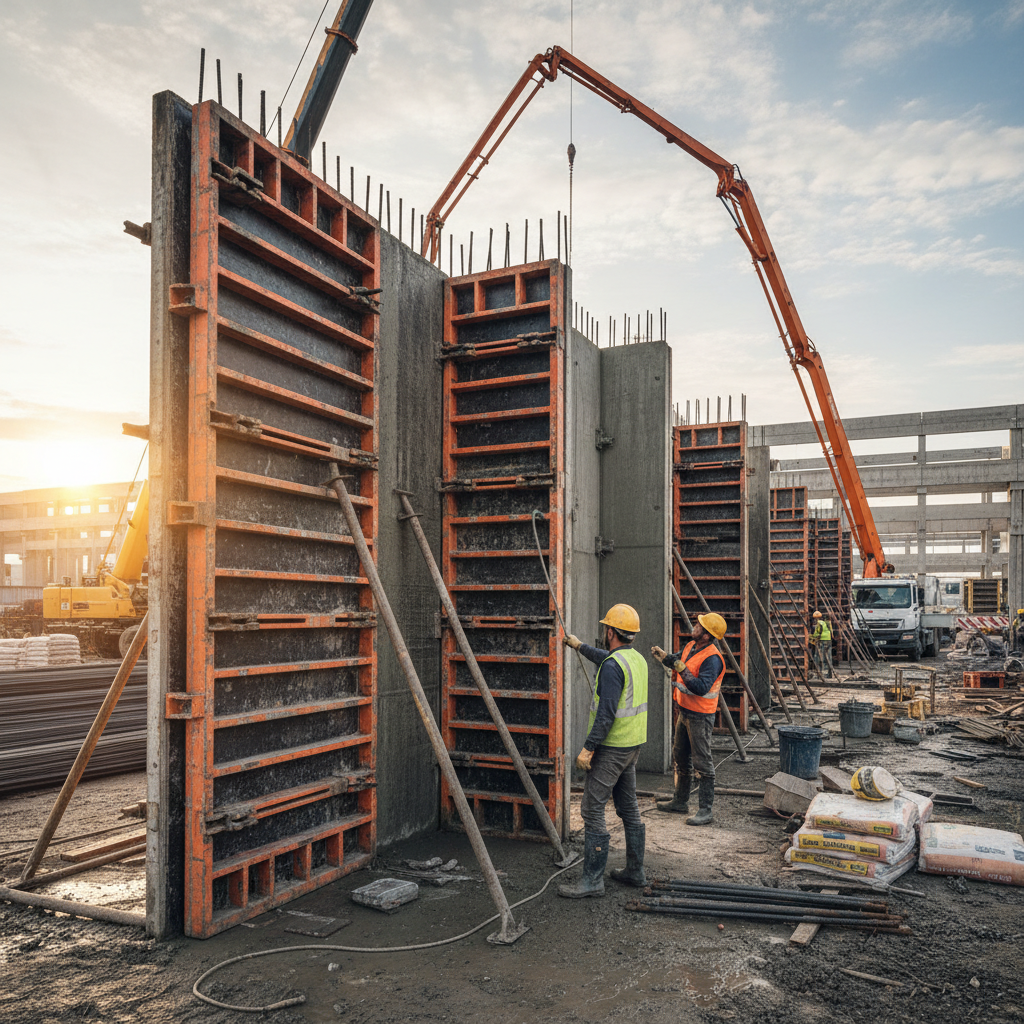
Beyond mere holding, these systems manage the hydraulic pressure exerted by liquid concrete, which can be immense in deep pours. The role of the support is to distribute this load evenly across the ground or lower levels of the structure. This prevents "blow-outs" or sagging, which would otherwise require costly demolition and reconstruction.
In the context of modern humanitarian needs, such as rapid bridge reconstruction in post-disaster zones, standardized shuttering support provides a critical advantage. The ability to quickly assemble and disassemble steel supports allows engineers to restore vital transport links in a fraction of the time required by traditional methods.
Core Components for Maximum Load Stability
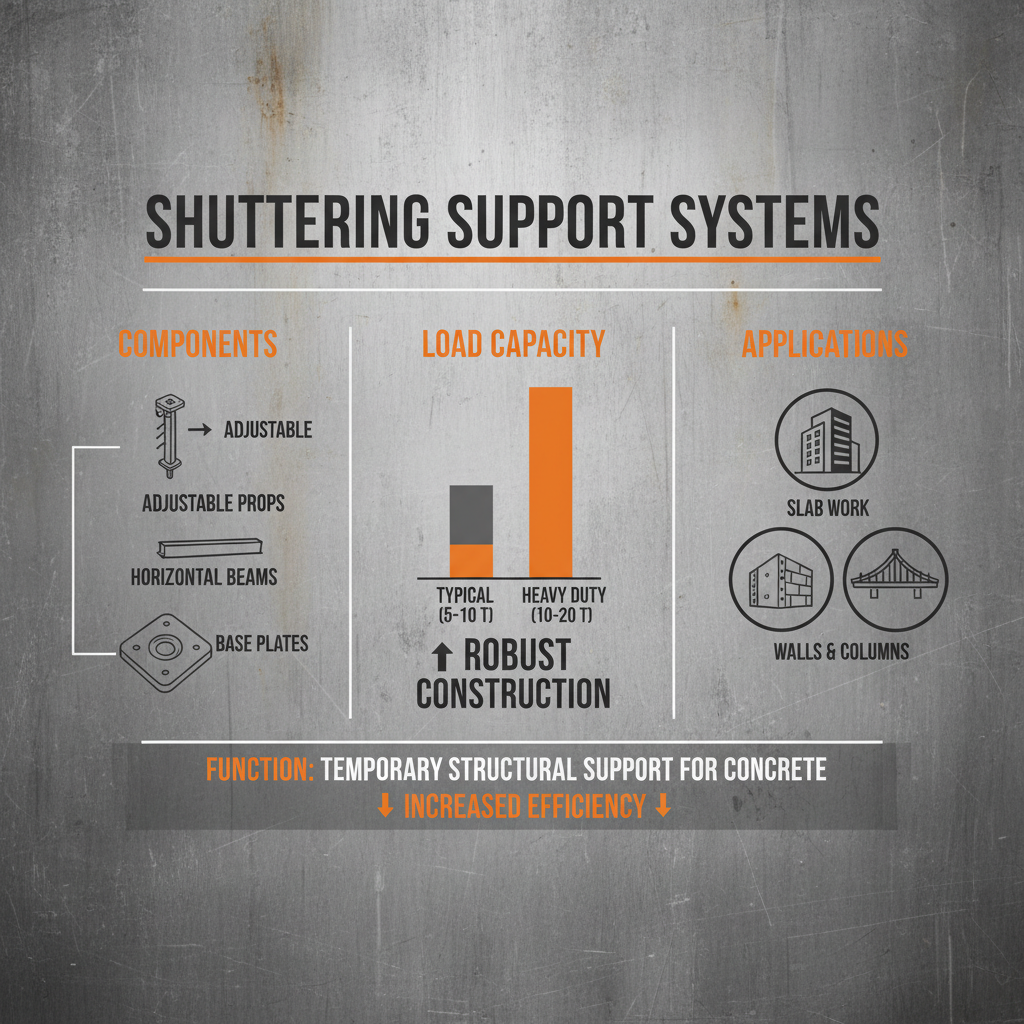
Achieving stability in shuttering support requires a synergy of several core components. The primary focus is often on durability; utilizing galvanized steel ensures that the equipment can be reused across multiple humid or corrosive environments without losing its structural integrity. High-grade steel prevents oxidation, which is the leading cause of support failure in long-term projects.
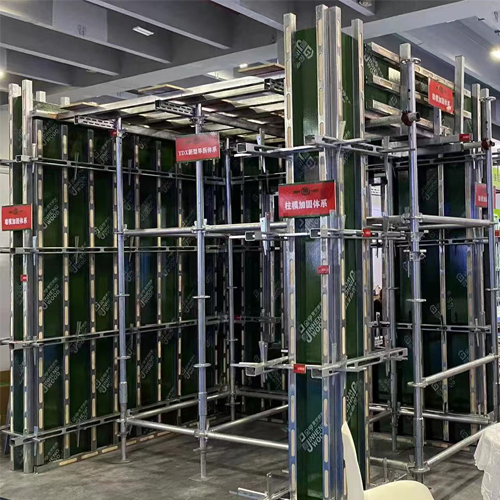
Scalability and adaptability are equally vital. By incorporating components like Horizontal Reinforcement Keels and Square Column Reinforcements, the system can be adjusted to fit various dimensions. This modularity allows for a "mix-and-match" approach, where the support density can be increased in high-stress zones and decreased in low-load areas to maximize cost efficiency.
Finally, the precision of the connection points—the scaffolding accessories—determines the overall reliability of the shuttering support. Secure locking mechanisms and standardized threading ensure that there is zero movement during the concrete pour. This precision is what separates a professional industrial grade system from makeshift site-built supports.
Global Applications and Real-World Use Cases
The application of professional shuttering support is diverse, spanning from remote industrial zones to dense urban centers. In the construction of hydroelectric dams in mountainous regions, for instance, heavy-duty steel supports are essential to manage the massive volume of concrete required for the dam wall. These systems must be capable of withstanding not only the concrete load but also the environmental stresses of the site.
In urban environments, the focus shifts toward efficiency and space management. In the development of underground metro systems in cities like London or Singapore, modular shuttering support allows for a "leap-frog" method of construction, where supports are moved quickly from one section to the next, minimizing the disruption to the surface city.
Efficiency Comparison of Shuttering Support Systems
Long-Term Value and Structural Advantages
Investing in premium shuttering support provides tangible long-term financial benefits. While the initial procurement cost of steel supports is higher than timber, the lifecycle cost is significantly lower. Steel components can be reused hundreds of times, whereas timber often warps or splits after a few uses. This shift not only saves money but also drastically reduces the amount of waste sent to landfills, aligning construction projects with global sustainability goals.
Beyond the financial aspect, there is the emotional and logical value of safety. The reliability of a certified shuttering support system gives engineers and site workers peace of mind. Knowing that the structure is held by precision-engineered metal reduces the anxiety associated with high-risk pours, fostering a culture of trust and professionalism on the job site.
Future Trends in Modular Support Systems
The future of shuttering support is being shaped by the digital transformation of the construction industry. BIM (Building Information Modeling) is now allowing engineers to simulate the exact pressure points of a pour before a single piece of equipment is delivered to the site. This means support systems can be customized with surgical precision, using only the amount of steel necessary, thereby optimizing both cost and material usage.
Furthermore, we are seeing the emergence of "smart supports" equipped with IoT sensors. These sensors can monitor the real-time strain and deflection of the shuttering support during the curing process. If a support begins to lean or buckle, an automated alert is sent to the supervisor, allowing for immediate correction and preventing potential accidents.
Sustainability will also drive innovation in materials. The development of ultra-high-strength, lightweight alloys will allow for supports that are easier to transport and assemble but offer even greater load capacities. This evolution toward "green steel" and automated assembly will further reduce the carbon footprint of the structural manufacturing sector.
Overcoming Common Challenges in Shuttering Installation
Despite the advancements, many sites still struggle with improper installation of shuttering support. A common issue is the uneven distribution of ground pressure, where the supports sink into soft soil, leading to structural misalignment. The solution lies in the use of wide-base plates and standardized scaffolding accessories that distribute the load over a larger surface area.
Another challenge is the time lost during the stripping (removal) phase. If supports are too rigid or poorly designed, removing them can damage the fresh concrete. Innovative "easy-release" mechanisms and tapered Keel Steel designs now allow for a smoother transition, ensuring that the shuttering support can be removed without scarring the finished surface.
Finally, the lack of skilled labor can lead to assembly errors. To combat this, manufacturers are moving toward "color-coded" and "error-proof" modular systems. By making the assembly process intuitive, the risk of human error is minimized, ensuring that the support system is installed exactly as specified in the engineering drawings.
Comparative Analysis of Shuttering Support Materials and Methods
| Support Material |
Load Capacity |
Reuse Cycle |
Installation Speed |
| Traditional Timber |
Low (3/10) |
1-3 Times |
Slow |
| Standard Steel Tube |
Medium (6/10) |
50+ Times |
Moderate |
| Modular Keel System |
High (8/10) |
100+ Times |
Fast |
| High-Tensile Steel |
Very High (10/10) |
200+ Times |
Fast |
| Aluminum Alloys |
Medium (5/10) |
100+ Times |
Very Fast |
| Hybrid Reinforced |
High (9/10) |
150+ Times |
Moderate |
FAQS
Shuttering refers to the actual formwork (the mold) that comes into direct contact with the concrete to shape it. Shuttering support is the secondary framework—consisting of props, keels, and scaffolding—that holds the shuttering in the correct position and prevents it from collapsing under the weight of the concrete. One is the "skin," while the other is the "skeleton."
Load capacity is calculated based on the volume of the concrete pour, the density of the concrete (typically around 2400kg/m³), and the weight of the formwork itself. Professional engineers use load-distribution charts to determine the spacing of the shuttering support. We recommend adding a safety factor of at least 1.5x to 2x the calculated load to account for dynamic forces during pouring.
Yes, but it is critical to use hot-dip galvanized steel rather than simple painted steel. Galvanization creates a protective zinc layer that prevents corrosion from salt spray and moisture. For extreme marine environments, additional epoxy coatings can be applied to the support accessories to extend the equipment's lifespan and maintain structural safety.
Absolutely, especially for projects with repetitive elements. While timber has a lower upfront cost, its lack of reusability leads to high waste and labor costs. Modular steel shuttering support can be reused across dozens of projects, significantly lowering the cost per use and reducing the overall project timeline due to faster assembly.
The most common causes include improper base plating on soft soil, incorrect spacing of supports (overloading), and the use of damaged or rusted components. Failure to lock accessories properly can also lead to "slippage." Regular inspections and adhering to the manufacturer's load charts are the best ways to prevent these failures.
Ensure you source your equipment from manufacturers who provide mill certificates and load-test reports. Check for certifications such as ISO 9001 for quality management. Additionally, having a third-party structural engineer sign off on the support plan before the pour is a standard industry practice to ensure compliance with local safety regulations.
Conclusion
In summary, the effectiveness of shuttering support is a fundamental determinant of both the safety and the quality of any concrete structure. By transitioning from antiquated timber methods to precision-engineered steel systems—including Horizontal Reinforcement Keels and specialized scaffolding accessories—the industry can achieve higher precision, reduced waste, and significantly enhanced worker safety. The integration of modularity and durability ensures that these systems provide immense value across the entire lifecycle of a construction project.
Looking forward, the fusion of IoT monitoring and BIM software will transform shuttering support from a passive structural element into an active, data-driven component of the build process. For contractors and developers, the shift toward sustainable, high-tensile materials is no longer optional but a necessity for staying competitive in a global market. We encourage you to evaluate your current framework and upgrade to professional-grade solutions to ensure your projects stand the test of time. Visit our website for more professional solutions: www.constrframe.com