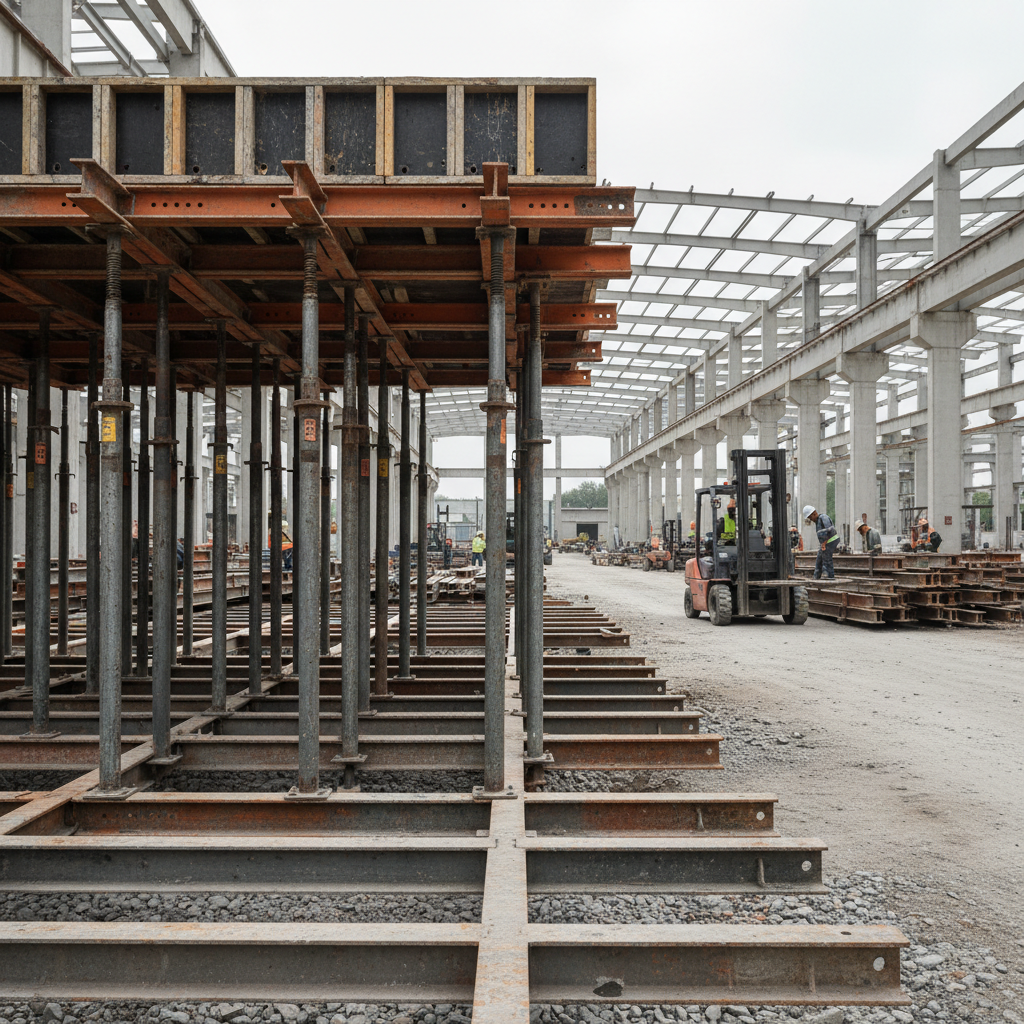
In the high-stakes world of modern construction, the integrity of a structure begins long before the concrete sets. Professional formwork support systems serve as the invisible skeleton that holds the weight of wet concrete and heavy reinforcement, ensuring that architectural visions are translated into safe, stable realities. Without precision-engineered support, the risk of structural failure, deformation, and costly project delays increases exponentially.
Globally, the demand for faster build cycles and taller skyscrapers has pushed the limits of traditional timber shoring. This shift has led to the rise of modular steel support systems that prioritize load-bearing capacity and rapid assembly. By integrating high-strength steel and standardized components, contractors can now achieve a level of precision and safety that was previously unattainable, reducing human error and material waste on site.
Understanding the nuances of these systems is not merely a technical requirement but a critical safety imperative. From calculating dead and live loads to selecting the right combination of Keel Steel and Scaffolding Accessories, the choices made during the planning phase dictate the overall efficiency of the build. This guide explores the comprehensive ecosystem of support structures, providing the insight needed to optimize stability and performance.
Global Relevance of Formwork Support Systems
On a global scale, the construction industry is facing an unprecedented surge in urbanization. According to data trends aligned with ISO standards for structural safety, the reliance on formwork support systems has transitioned from a secondary consideration to a primary engineering focus. In rapidly developing regions, the pressure to deliver infrastructure—ranging from bridges to high-rise residential complexes—demands systems that can handle extreme loads while being deployed in record time.
The primary challenge facing the industry today is the "stability-speed paradox." While developers want to accelerate the pouring process, increasing the speed of construction often introduces risks of premature formwork removal or insufficient bracing. Advanced steel support systems resolve this by providing predictable, calculated load-bearing capacities that eliminate the guesswork associated with traditional timber, ensuring that global safety benchmarks are met regardless of the project's scale.
Defining Modern Formwork Support Infrastructure
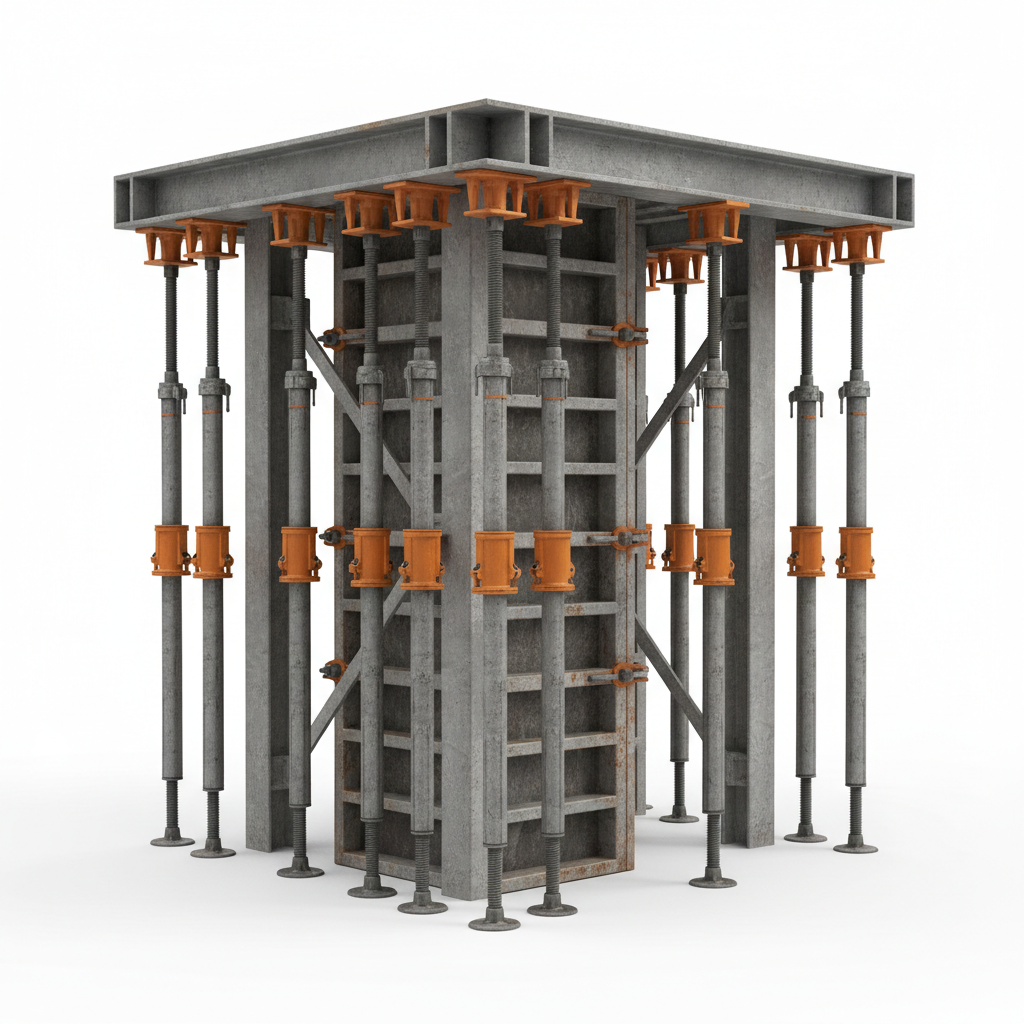
In simple terms, formwork support systems are the temporary structural assemblies used to hold the weight of concrete—and the workers operating around it—until the concrete achieves enough strength to support itself. This infrastructure encompasses everything from the vertical shores (standards) to the horizontal beams (keels) and the connecting accessories that lock the entire grid together. It is the bridge between a blueprint and a physical slab.
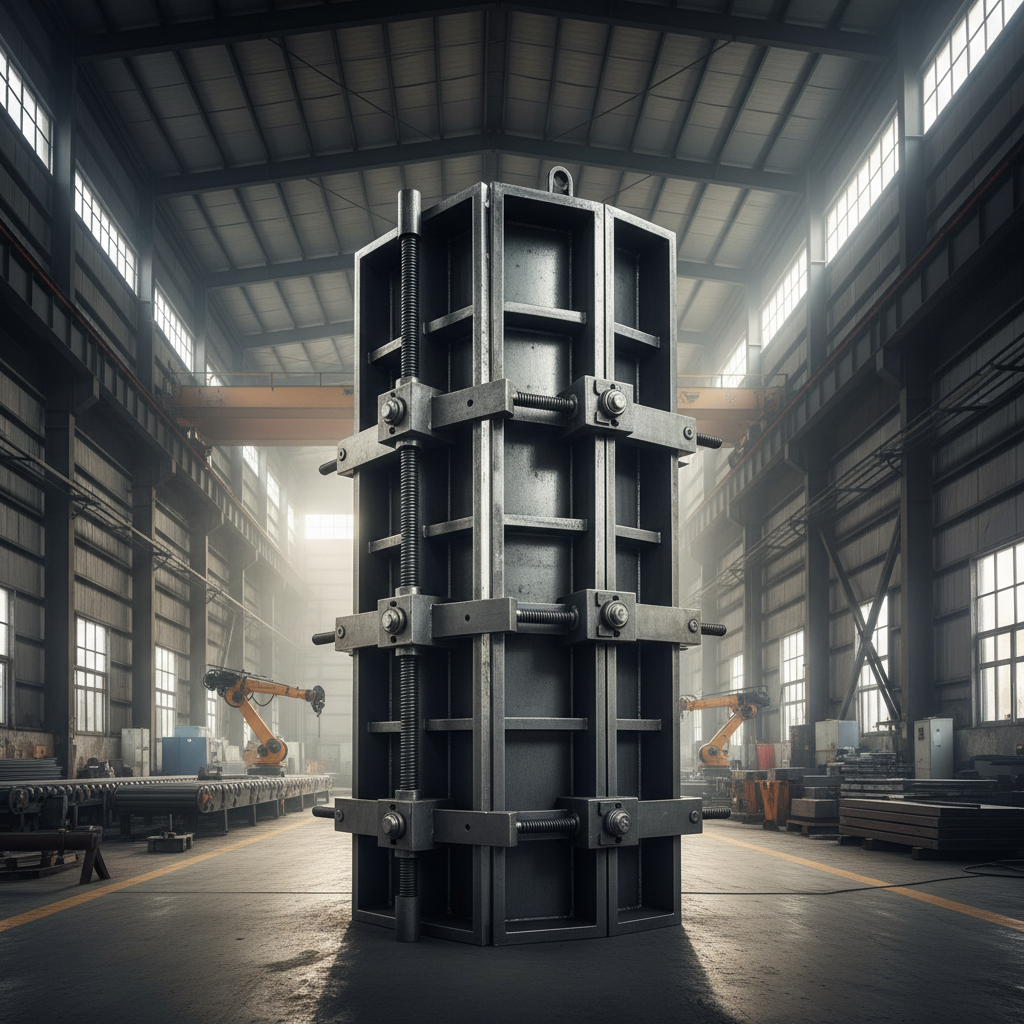
Beyond the basic definition, these systems represent a fusion of materials science and structural engineering. In modern industry, the shift toward "Reinforcement Accessories" and "Square Column Reinforcement" allows for more complex geometries. Whether it is a curved ceiling in a luxury hotel or a massive foundation for an industrial plant, the support system provides the necessary rigidity to prevent "bulging" or collapse during the critical curing phase.
From a humanitarian and urban development perspective, these systems are essential for creating durable housing and critical infrastructure in disaster-prone areas. By utilizing standardized, modular steel components, engineers can quickly deploy reliable supports in remote zones, ensuring that the buildings constructed there are safe, standardized, and capable of weathering environmental stressors.
Core Components for Structural Stability
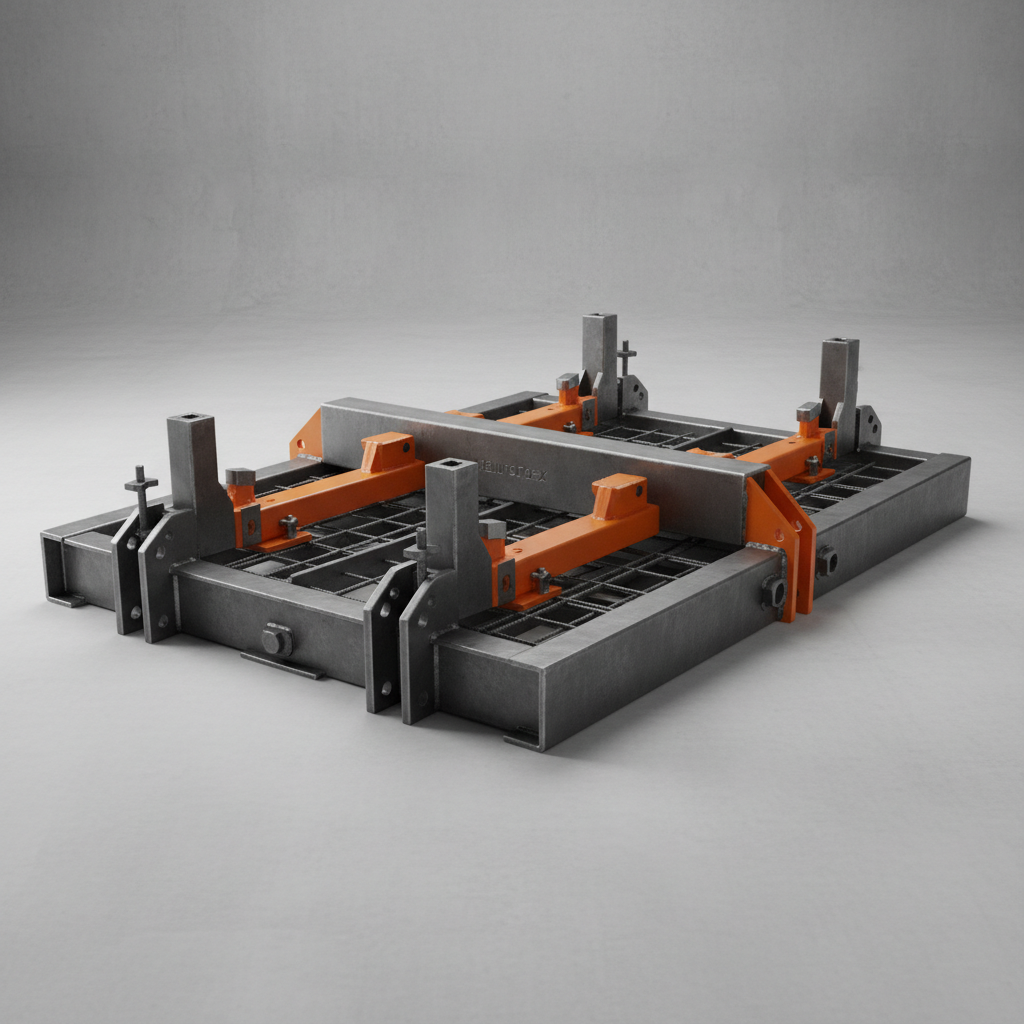
The effectiveness of formwork support systems depends heavily on the synergy between its components. Horizontal Reinforcement Keels and Keel Steel act as the primary distributors of load, transferring the weight of the concrete slab across the vertical supports. This ensures that no single point is overstressed, preventing localized failures that could lead to catastrophic collapse.
Durability and scalability are further enhanced by the use of Scaffolding and specialized Scaffolding Accessories. These components allow the support system to be adjusted for varying ceiling heights and complex spans. When paired with Square Column Reinforcement, the system becomes highly adaptable, allowing contractors to switch between different architectural requirements without needing to source entirely new materials.
Finally, the integration of "Standards - Early Release" and "Timber Steel" hybrids offers a strategic balance between cost and strength. While steel provides the core rigidity, timber-steel interfaces can reduce the weight of the setup and improve the ease of stripping the formwork once the concrete has cured. This holistic approach ensures that the support system is not just strong, but also operationally efficient.
Comparative Performance of Support Methods
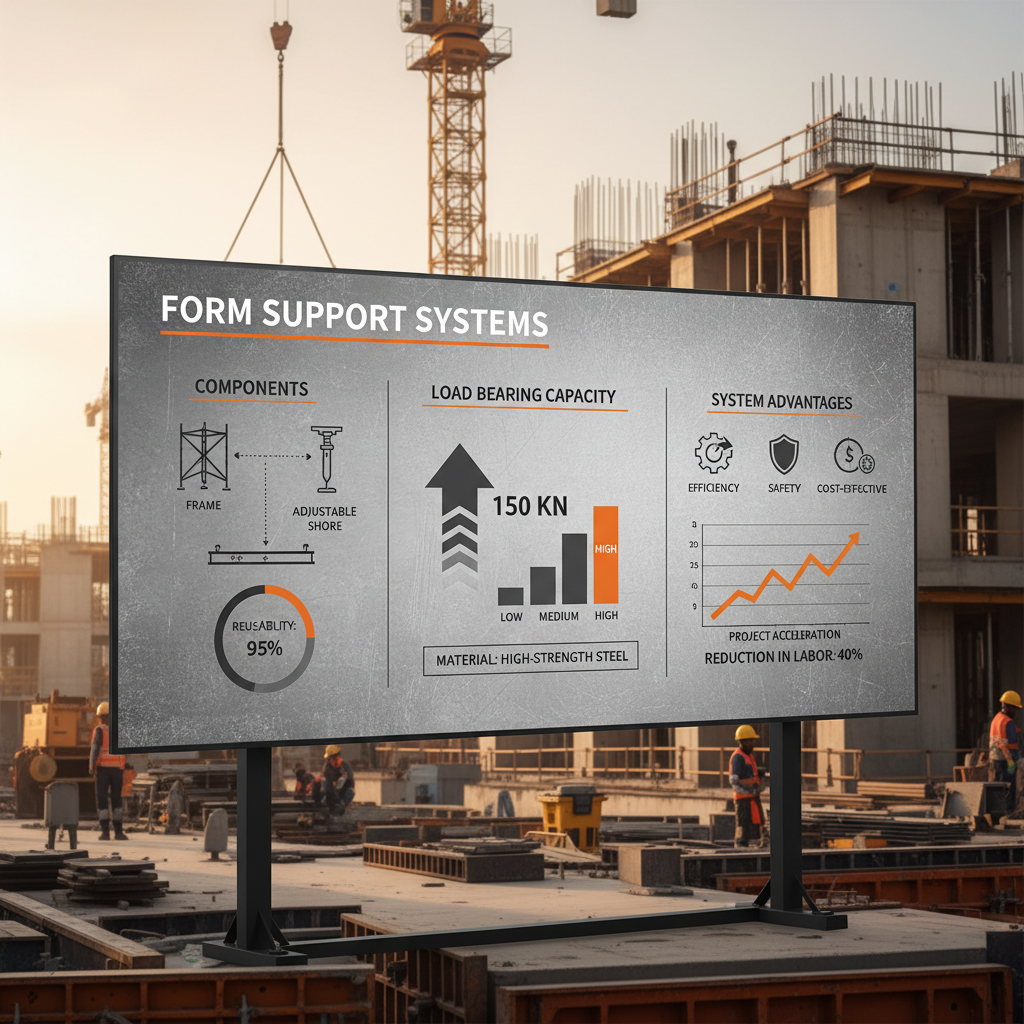
When evaluating different formwork support systems, it is essential to look at the trade-off between installation speed, load capacity, and cost-efficiency. Modular steel systems typically outperform traditional timber in terms of reuse cycles and load consistency, although they require a higher initial investment.
For high-load industrial applications, the use of heavy-duty Keel Steel is non-negotiable. In contrast, for light residential projects, a hybrid approach using Timber Steel and standard Scaffolding may suffice. The following data illustrates the performance ratings of various support configurations across key metrics.
Efficiency Ratings of Formwork Support Systems
Real-World Applications and Global Use Cases
In the construction of massive infrastructure projects, such as hydroelectric dams or airport terminals, formwork support systems are deployed on a scale that requires military-grade precision. In these environments, the use of heavy-duty Scaffolding and Horizontal Reinforcement Keels is critical to support the immense weight of thick concrete pours that can reach several meters in depth.
Conversely, in urban redevelopment projects in cities like Singapore or New York, space is at a premium. Here, modular and "Early Release" support systems are favored because they allow for a tighter construction schedule. By utilizing systems that can be quickly dismantled and moved to the next floor, developers can significantly reduce the project timeline while maintaining strict adherence to safety codes.
Long-Term Value and Safety Advantages
The long-term value of investing in high-quality formwork support systems extends far beyond the completion of a single project. Steel-based systems offer a lifecycle that lasts for hundreds of uses, drastically reducing the environmental impact compared to single-use timber. This sustainability angle is becoming a key driver for firms seeking LEED certification and other green building credentials.
From a logical perspective, the reliability of a standardized system minimizes the risk of "on-site improvisations." In the construction industry, improvisation is often a precursor to accidents. By utilizing a system with fixed parameters and engineered Reinforcement Accessories, companies build a culture of trust and reliability, knowing that the support will not buckle under pressure.
Emotionally, the peace of mind provided to site managers and workers cannot be overstated. Knowing that the overhead support is engineered to a precise factor of safety allows crews to work with confidence. This psychological stability leads to higher productivity, better morale, and a professional reputation for the contractor as a safe and reliable operator.
Future Trends in Smart Support Technology
The future of formwork support systems is inextricably linked to the digital transformation of the construction site. We are seeing the emergence of "smart shoring," where IoT sensors are embedded into the Keel Steel and supports to monitor load levels in real-time. This allows engineers to detect structural stress before it becomes visible to the naked eye, triggering alerts that prevent failures.
Furthermore, the integration of BIM (Building Information Modeling) allows for the virtual simulation of the support system before a single piece of steel is delivered to the site. This ensures that there are no clashes between the scaffolding and the permanent architectural elements, reducing waste and optimizing the deployment of Reinforcement Accessories.
Sustainability will continue to push the industry toward high-strength, lightweight alloys and recyclable composite materials. The goal is to create a circular economy in construction, where the support systems are leased, reused across multiple global projects, and eventually recycled into new structural components, reducing the industry's overall carbon footprint.
Technical Analysis of Formwork Support System Configurations
| System Type |
Load Capacity |
Installation Speed |
Reuse Cycle |
| Heavy Steel Keel |
Extreme (10/10) |
Moderate |
High (>200 times) |
| Timber-Steel Hybrid |
Medium (6/10) |
Fast |
Moderate (20-50 times) |
| Adjustable Scaffolding |
High (8/10) |
Very Fast |
High (>150 times) |
| Square Column Support |
High (9/10) |
Moderate |
High (>100 times) |
| Lightweight Alloy |
Medium (7/10) |
Extreme |
Moderate (80-120 times) |
| Traditional Timber |
Low (4/10) |
Slow |
Very Low (1-5 times) |
FAQS
Determining load capacity requires a detailed structural analysis of the "dead load" (the weight of the concrete and reinforcement) and the "live load" (the weight of workers, equipment, and wind/impact). Engineers typically apply a safety factor of 1.5x to 2x the expected load. Using standardized Keel Steel with known stress-strain curves allows for precise calculations, ensuring the support system can handle the maximum anticipated pressure without deformation.
Steel support systems offer three primary advantages: consistency, longevity, and safety. Unlike timber, which can have natural defects like knots or warping, steel is manufactured to exact specifications. This means every prop and keel has a predictable load capacity. Furthermore, steel systems are reusable across hundreds of projects, significantly reducing material waste and long-term procurement costs.
Yes, by utilizing a combination of Adjustable Scaffolding and specialized Reinforcement Accessories, modular systems can be configured to support curved or angled slabs. The flexibility of the system allows for the strategic placement of Square Column Reinforcement to create custom geometries while maintaining the structural integrity of the overall grid.
Early Release systems allow for the partial removal of supports once the concrete reaches a specific percentage of its design strength, rather than waiting for a full 28-day cure. This is achieved through strategic load-transferring mechanisms that shift the weight to permanent structural elements, allowing the support equipment to be moved to the next floor much faster, thus accelerating the build cycle.
Regular inspections for corrosion, bending, and weld fatigue are essential. After each project, components should be cleaned of concrete residue and checked for structural deviations. Any Keel Steel or support prop that shows signs of permanent deformation beyond a few millimeters should be decommissioned immediately to avoid compromising the safety of future pours.
While the initial cost is higher than timber, steel systems are cost-effective when viewed through the lens of labor and reuse. Because they are faster to assemble and dismantle, you save significantly on man-hours. For contractors doing multiple projects a year, the cost per use drops drastically, making them more economical than buying new timber for every job.
Conclusion
The implementation of advanced formwork support systems is more than a technical choice—it is a strategic investment in safety, efficiency, and sustainability. By integrating high-strength Keel Steel, modular scaffolding, and precision reinforcement accessories, the construction industry can move away from the risks of improvisation and toward a future of engineered certainty. The synergy of these components ensures that structural integrity is maintained from the first pour to the final strip.
As we look toward the future, the integration of IoT monitoring and BIM modeling will further refine how we support our structures, making the process smarter and leaner. For any contractor or developer aiming to elevate their project standards, adopting a professional, modular support ecosystem is the most reliable path to achieving architectural excellence without compromising on safety. Visit our website: www.constrframe.com