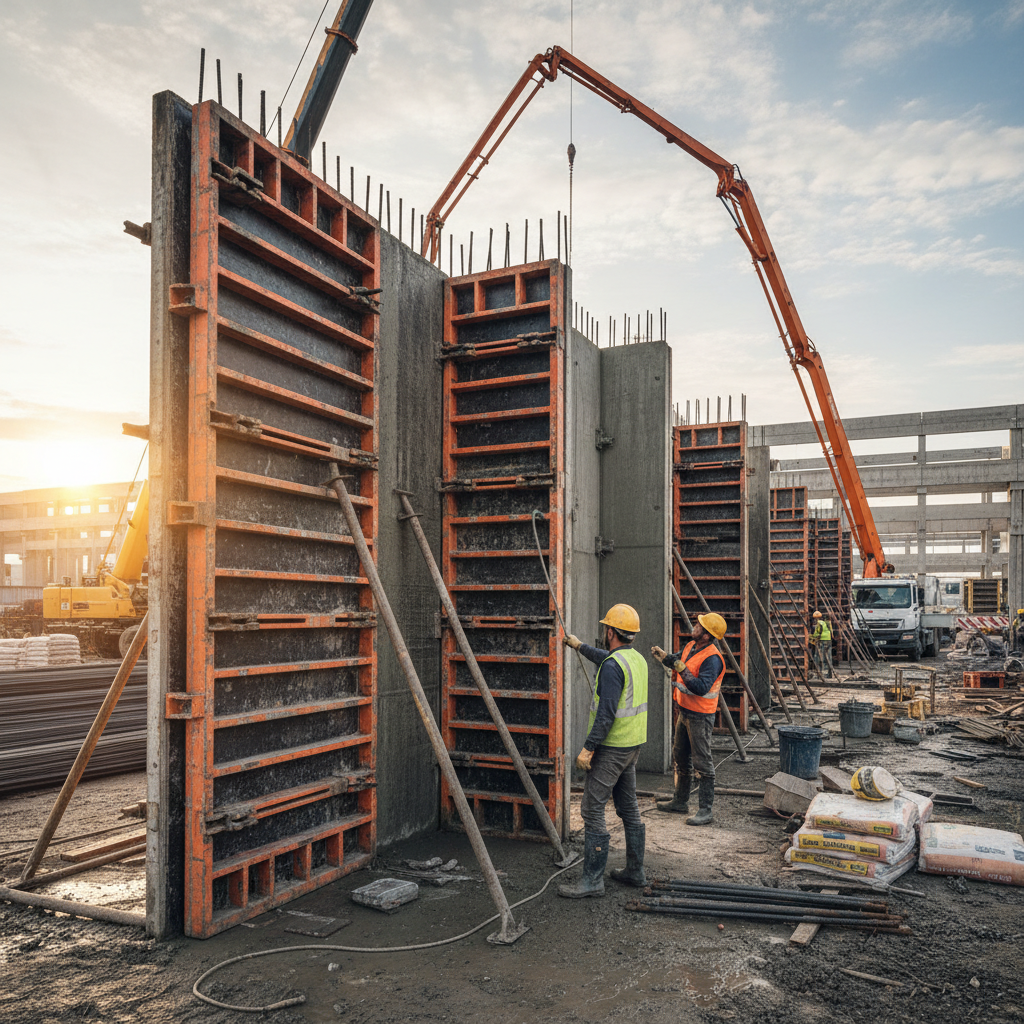
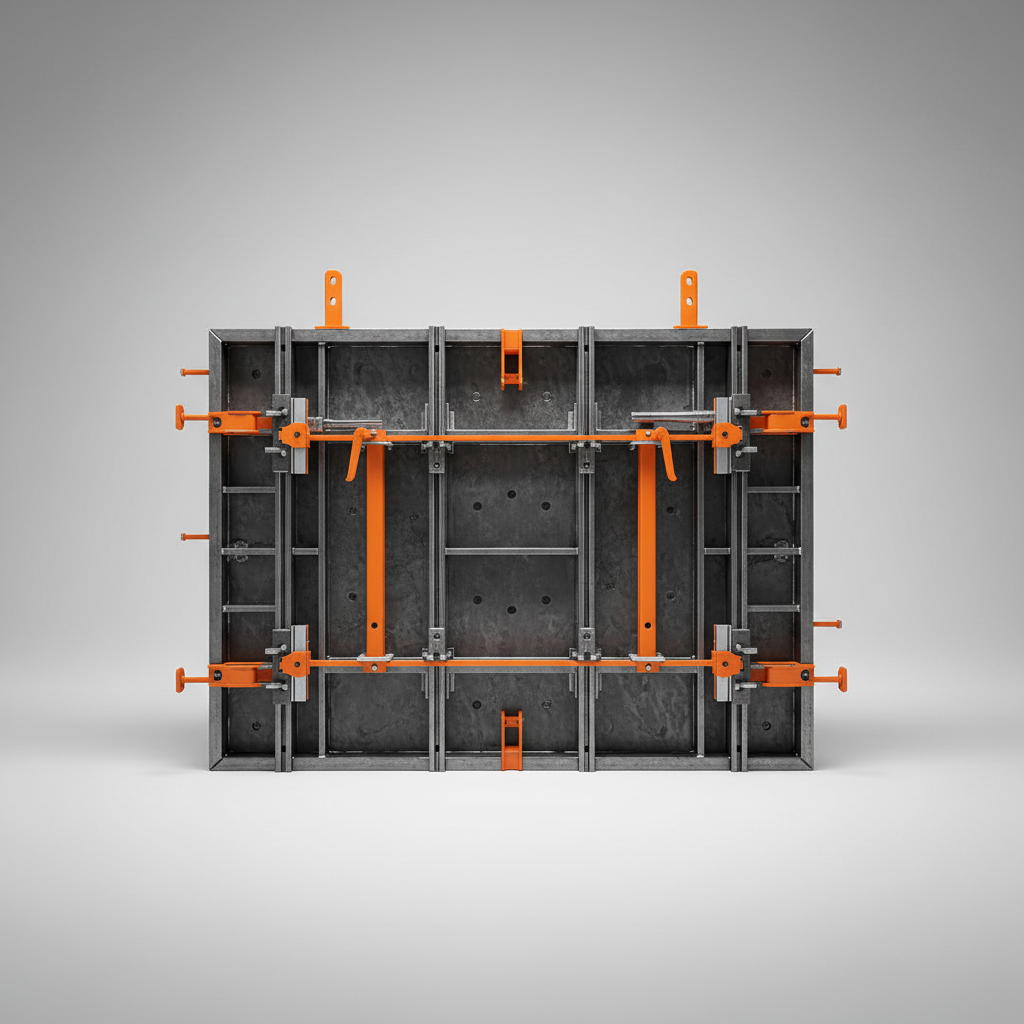
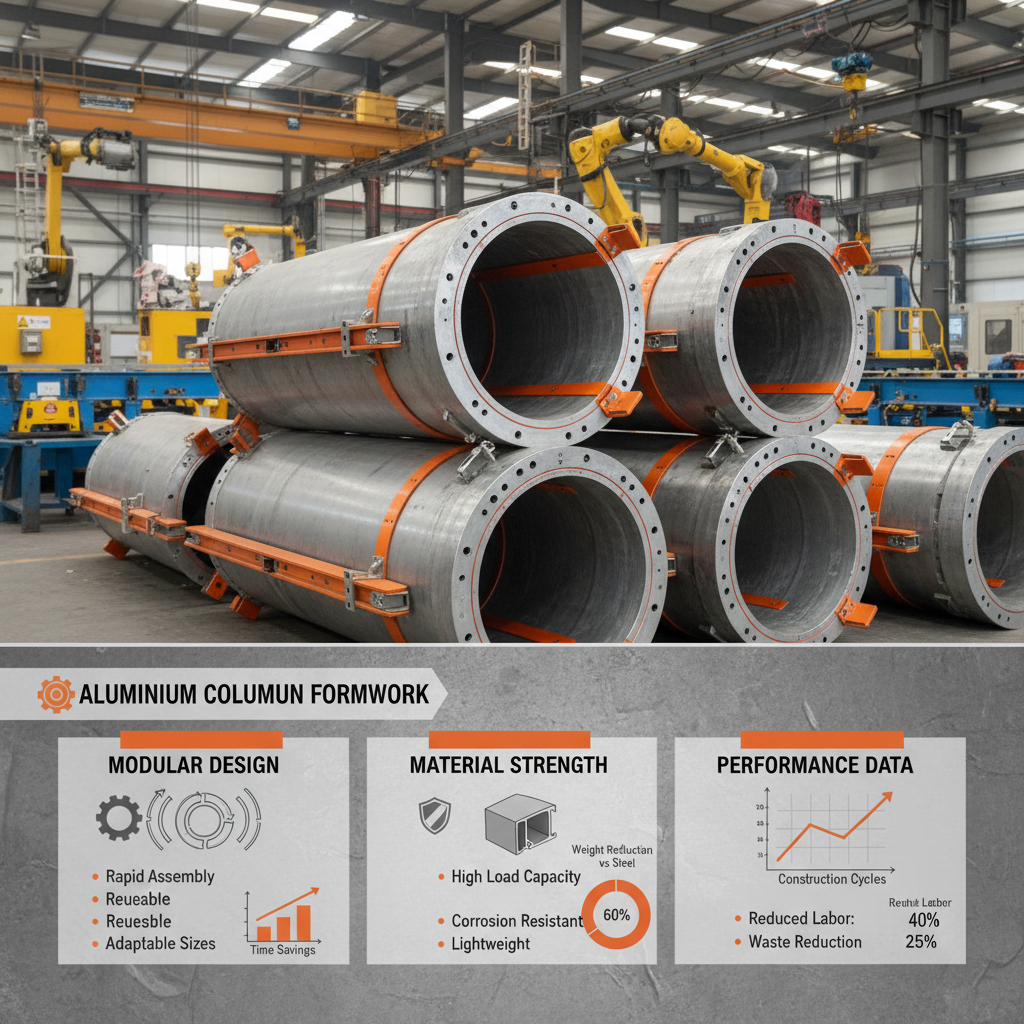
Look, I’ve spent the last fifteen years breathing concrete dust and wrangling steel. I’ve seen a lot of construction methods come and go, but the core challenge remains the same: building strong, durable structures efficiently. That’s where a well-designed shuttering system concrete walls becomes absolutely critical. It's not just about holding wet concrete in place; it's about safety, speed, cost control, and ultimately, the quality of the final product. We're talking about foundational elements here, impacting everything from housing projects to massive infrastructure builds.
What I’ve noticed over the years is that too many teams treat shuttering as an afterthought. They grab whatever’s cheapest or easiest without fully considering the long-term consequences. That leads to delays, rework, and structures that just aren't built to last. A properly implemented shuttering system minimizes waste, reduces labor hours, and ensures a clean, consistent concrete finish. The global construction industry is a multi-trillion dollar market, and even small gains in efficiency through better shuttering can translate to significant savings – and safer builds.
The demand for resilient infrastructure is only increasing, fueled by population growth, urbanization, and the growing impact of extreme weather events. This isn’t just about building bigger; it's about building smarter, faster, and with materials and processes that can withstand the test of time. Investing in robust shuttering system concrete walls is a core part of meeting that challenge.
The Importance of shuttering system concrete walls
Let's be frank: you can't have quality concrete work without quality shuttering system concrete walls. It’s the mold that gives concrete its shape, and a flawed mold means a flawed structure. It’s the first critical step after the formwork is set. We see too many projects cut corners here, and it always comes back to bite them.
From my experience, the initial cost of a robust system is easily offset by the reduced labor, faster turnaround times, and the minimized risk of structural defects. We're talking about avoiding costly delays and ensuring the longevity of the project. It's an investment, not an expense.
Defining shuttering system concrete walls
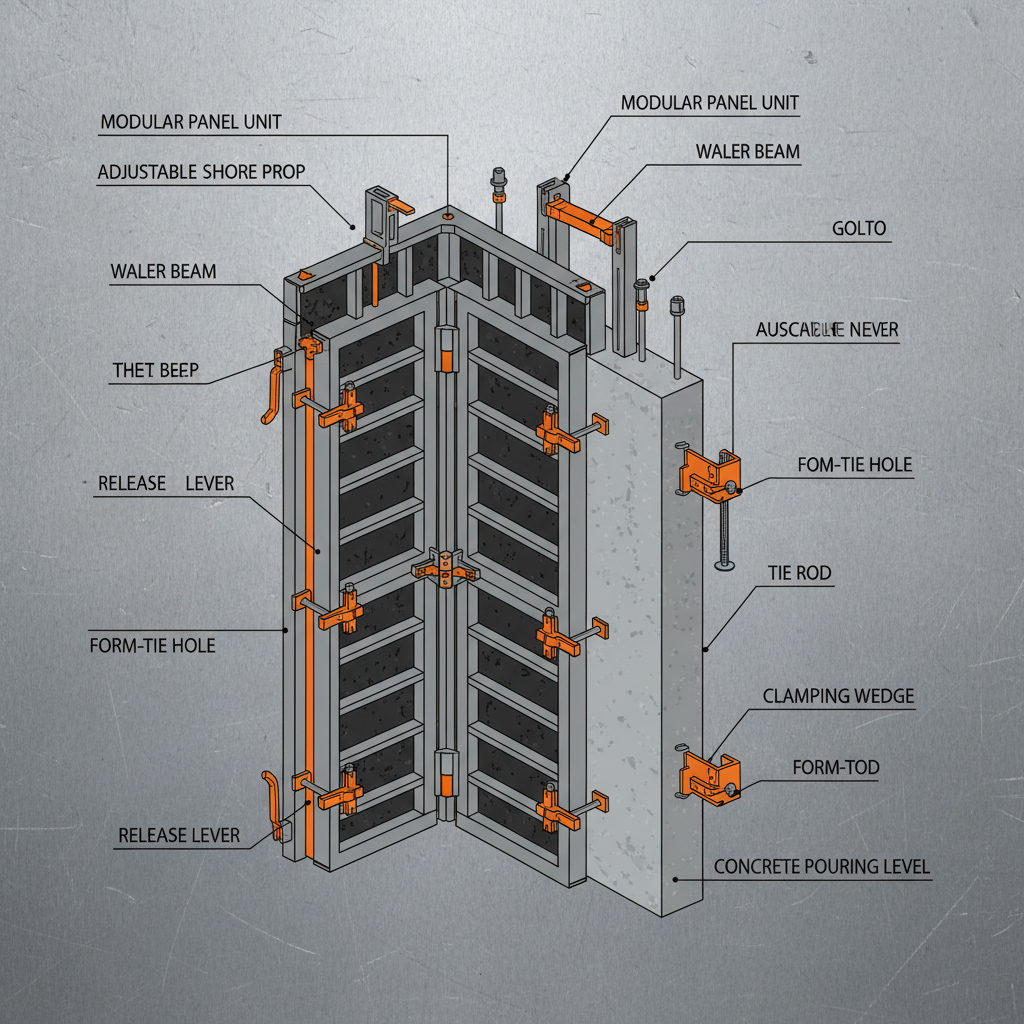
Simply put, shuttering system concrete walls refers to the temporary or permanent molds used to shape and support concrete as it hardens. These systems can range from simple wooden forms to sophisticated, modular steel systems. It's not just the form itself, but the supporting structure – bracing, tie rods, and release agents – that all work together to create a stable and accurate mold.
It's a vital part of modern construction, allowing us to create complex geometries and large-scale structures efficiently. Without it, we'd be limited to very basic, manually-intensive building techniques. Think about the skyscrapers and bridges around the world - none of that would be possible without advanced shuttering systems.
Beyond just buildings, this applies to crucial infrastructure too. Dams, tunnels, even water treatment plants rely heavily on effective concrete shuttering. It's fundamentally connected to ensuring habitable living and safe infrastructure for humanity.
Key Components & Material Choices
The core components of any shuttering system concrete walls usually include the formwork itself (the surface in contact with the concrete), supporting frameworks, bracing systems, and tie rods or fasteners. But the materials used are just as important. Traditionally, wood was the go-to, but we’ve seen a massive shift towards steel, aluminum, and even engineered plastics.
Steel offers incredible strength and durability, allowing for complex designs and repeated use. Aluminum is lighter and easier to handle, making it ideal for smaller projects or areas with limited access. Plastics are gaining traction for their corrosion resistance and smooth surface finish, which results in higher-quality concrete. The right choice depends heavily on the project’s scale, budget, and specific requirements.
Release agents are also a critical component, preventing the concrete from bonding to the formwork and ensuring clean removal. Choosing the right release agent is often overlooked, but can save a ton of time and headache down the line. I’ve seen projects stalled for days because of improper release agent application.
Core Aspects of Effective Shuttering
There are several key aspects that separate a good shuttering system concrete walls from a bad one. First, stability is paramount. The formwork needs to withstand the immense pressure of wet concrete without deforming or collapsing. Second, accuracy is crucial. The system must maintain its shape and dimensions throughout the curing process.
And third, ease of use cannot be understated. A system that’s difficult to assemble, disassemble, or clean will inevitably slow down the project and increase labor costs. I look for systems that are modular, lightweight, and require minimal specialized tools.
Comparison of Shuttering System Methods
Global Applications & Project Examples
You see shuttering system concrete walls used everywhere, from residential housing to massive infrastructure projects. In rapidly developing countries, modular shuttering systems are enabling faster construction of affordable housing. In Europe, advanced climbing formwork is essential for building high-rise structures.
I recently worked on a project in Southeast Asia where we used a highly adaptable steel formwork system for a complex curved bridge. The system allowed us to achieve a precise, aesthetically pleasing finish while minimizing construction time. And in post-disaster relief efforts, rapid-deployment concrete housing utilizing pre-fabricated shuttering modules is providing safe and durable shelter for displaced communities.
Advantages & Long-Term Value Proposition
The advantages are clear. Beyond the immediate cost savings in labor and materials, a good shuttering system concrete walls contributes to the overall durability and longevity of the structure. Reduced defects mean less maintenance and a longer lifespan. From a sustainability perspective, minimizing waste and optimizing material usage is critical.
But it's also about safety. A stable and well-designed system reduces the risk of accidents on site. And ultimately, it’s about building trust with clients and stakeholders. Delivering a high-quality, structurally sound building on time and within budget is the best way to earn a reputation for reliability and excellence.
Future Trends & Innovations in Shuttering
We’re seeing a lot of innovation in this space. 3D-printed formwork is starting to emerge, offering incredible design flexibility and reduced waste. Smart shuttering systems with integrated sensors are providing real-time data on concrete curing and formwork pressure, allowing for proactive adjustments.
Automation is also playing a bigger role, with robotic systems assisting in the assembly and disassembly of formwork. And there’s a growing emphasis on sustainable materials, with manufacturers exploring bio-based alternatives to traditional plastics and wood. The future of shuttering system concrete walls is about integrating technology and sustainability to create more efficient, safer, and environmentally responsible building practices.
Furthermore, expect to see increased adoption of Building Information Modeling (BIM) software for designing and simulating shuttering systems, optimizing performance and minimizing potential issues before construction even begins.
Summary of Challenges & Solutions in Shuttering Systems
| Challenge |
Impact on Project |
Potential Solution |
Implementation Cost (1-10) |
| Formwork Instability |
Concrete blowouts, structural damage |
Robust bracing & tie rod systems, real-time monitoring |
7 |
| Difficult Assembly/Disassembly |
Increased labor costs, project delays |
Modular, lightweight systems with intuitive connections |
6 |
| Concrete Adhesion |
Surface defects, difficult formwork removal |
High-quality release agents, proper surface preparation |
3 |
| Material Durability |
Frequent replacements, increased waste |
Corrosion-resistant materials (steel, aluminum, plastics) |
8 |
| Lack of Skilled Labor |
Incorrect installation, potential safety hazards |
Comprehensive training programs, clear installation guides |
5 |
| Waste Management |
Environmental impact, disposal costs |
Reusable systems, recycling programs, minimized material usage |
4 |
FAQS
Timber shuttering is cheaper upfront but requires more labor and is less durable. Steel is a higher initial investment but offers superior strength, longevity, and dimensional accuracy, resulting in cost savings over the project lifecycle. Steel systems are also more adaptable to complex geometries and can be reused numerous times, reducing waste.
Choosing the right release agent depends on the type of concrete, the formwork material, and the ambient temperature. Oil-based agents are common but can stain concrete. Water-based agents are more environmentally friendly and generally produce a smoother finish. Always test the agent on a small area first to ensure compatibility and prevent adhesion issues.
Safety is paramount. Ensure all workers are properly trained on system assembly and disassembly. Always wear appropriate PPE, including hard hats, safety glasses, and gloves. Inspect the system thoroughly before each use for any signs of damage. Never exceed the system's load capacity, and always use proper bracing and tie rods.
Concrete blowouts are often caused by insufficient formwork stability or improper vibration. Ensure the formwork is adequately braced and sealed. Use a vibrator carefully and avoid over-vibration, which can cause segregation of the concrete mix. Also, ensure the concrete mix design is appropriate for the formwork and environmental conditions.
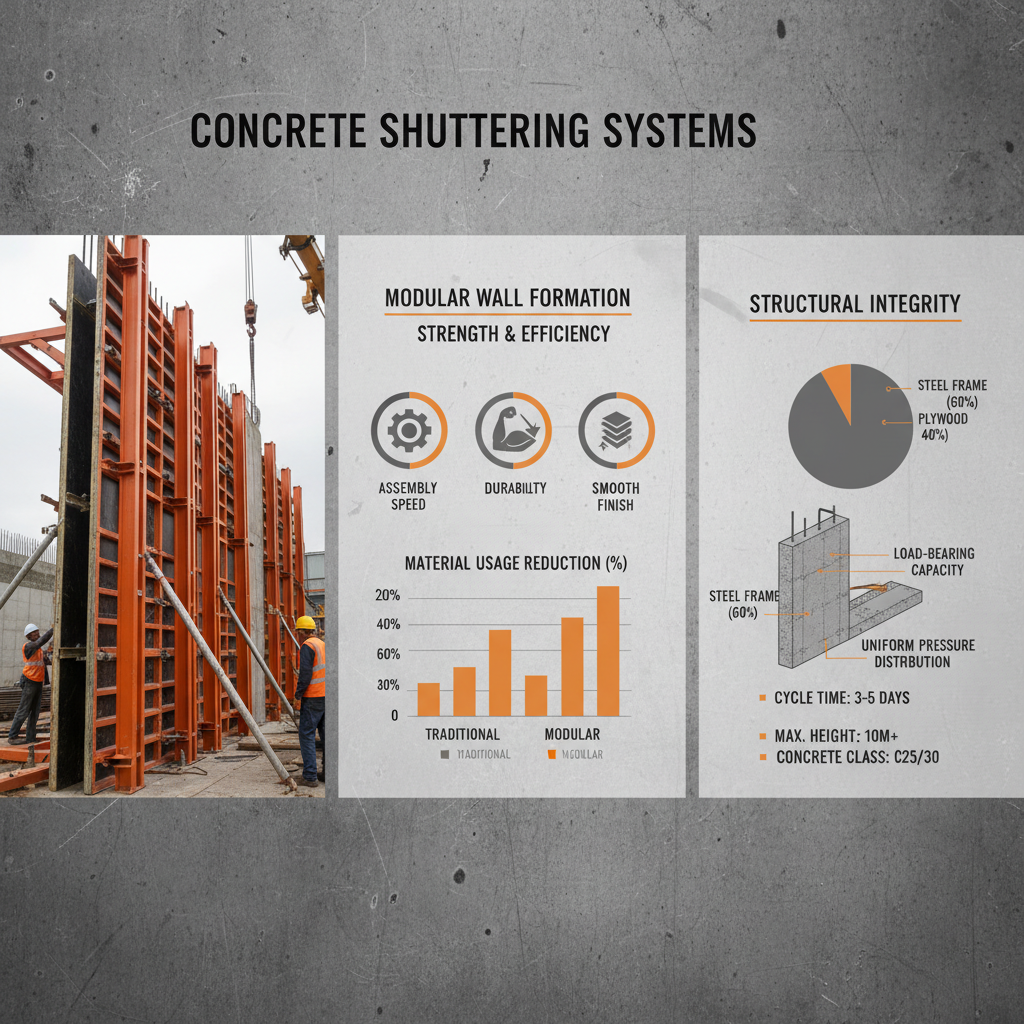
Modular shuttering systems offer increased flexibility and efficiency. They can be easily adapted to different shapes and sizes, reducing the need for custom fabrication. Their lightweight components simplify handling and assembly, leading to faster construction times and lower labor costs. They also promote standardization and repeatability.
Proper storage is crucial. Clean the system thoroughly after each use to remove concrete residue and debris. Store it in a dry, covered area to prevent corrosion or damage from the elements. Inspect regularly for any signs of wear and tear and replace damaged components promptly. Applying a protective coating can also extend the system's lifespan.
Conclusion
In closing, a well-planned and executed shuttering system concrete walls is far more than just a temporary mold; it’s a foundational element of successful, sustainable construction. It directly impacts project cost, schedule, quality, and safety. By prioritizing durable materials, efficient designs, and skilled labor, we can build stronger, more resilient structures that stand the test of time.
Looking ahead, embracing innovations like 3D-printed formwork and smart monitoring systems will be key to further optimizing concrete construction. Investing in training and development for construction professionals is equally important. Don't treat shuttering as an afterthought; make it a core component of your construction strategy. For advanced shuttering solutions and expert guidance, visit our website: www.constrframe.com