Look, I’ve spent the last fifteen years crawling around construction sites, getting dust in my teeth and talking shop with the folks actually building things. And I'll tell you, the demand for speed and resilience in building is only growing. That's where shear wall shuttering comes in. It's not just some fancy tech; it’s about getting structures up faster, stronger, and with less waste. We’re seeing everything from emergency housing to permanent structures built with this technology, and the benefits are clear – quicker project timelines, improved safety, and a lower overall cost.
The world is changing fast. Climate change means more extreme weather events, leading to a need for rapidly deployable, robust shelters. Urbanization is putting a strain on housing resources, and traditional construction just can’t keep up. Shear wall shuttering offers a viable solution, allowing us to build durable, safe structures in a fraction of the time it takes using conventional methods. It’s about meeting the needs of a rapidly evolving world, and frankly, it’s about building a better future.
I’ve seen firsthand the frustrations of delays, budget overruns, and compromised safety on job sites. Shear wall shuttering doesn't eliminate all those issues, nothing does. But it drastically reduces them, giving builders more control, more predictability, and ultimately, a better outcome. That’s why it's becoming such a critical component in modern construction.
The Global Relevance of shear wall shuttering
According to the UN, over 60% of the global population will live in urban areas by 2030, putting immense pressure on housing infrastructure. Couple that with the World Bank’s estimates of displacement due to climate-related disasters, and the need for rapid, reliable construction solutions is massive. Shear wall shuttering isn't just a building technique; it’s a direct response to these global challenges. We’re talking about providing safe, dignified shelter for millions.
The construction industry accounts for nearly 40% of global carbon emissions. Traditional methods are slow, wasteful, and environmentally damaging. Shear wall shuttering, when implemented with sustainable materials and efficient processes, offers a path toward reducing that footprint. It's about building responsibly, not just quickly.
Defining shear wall shuttering
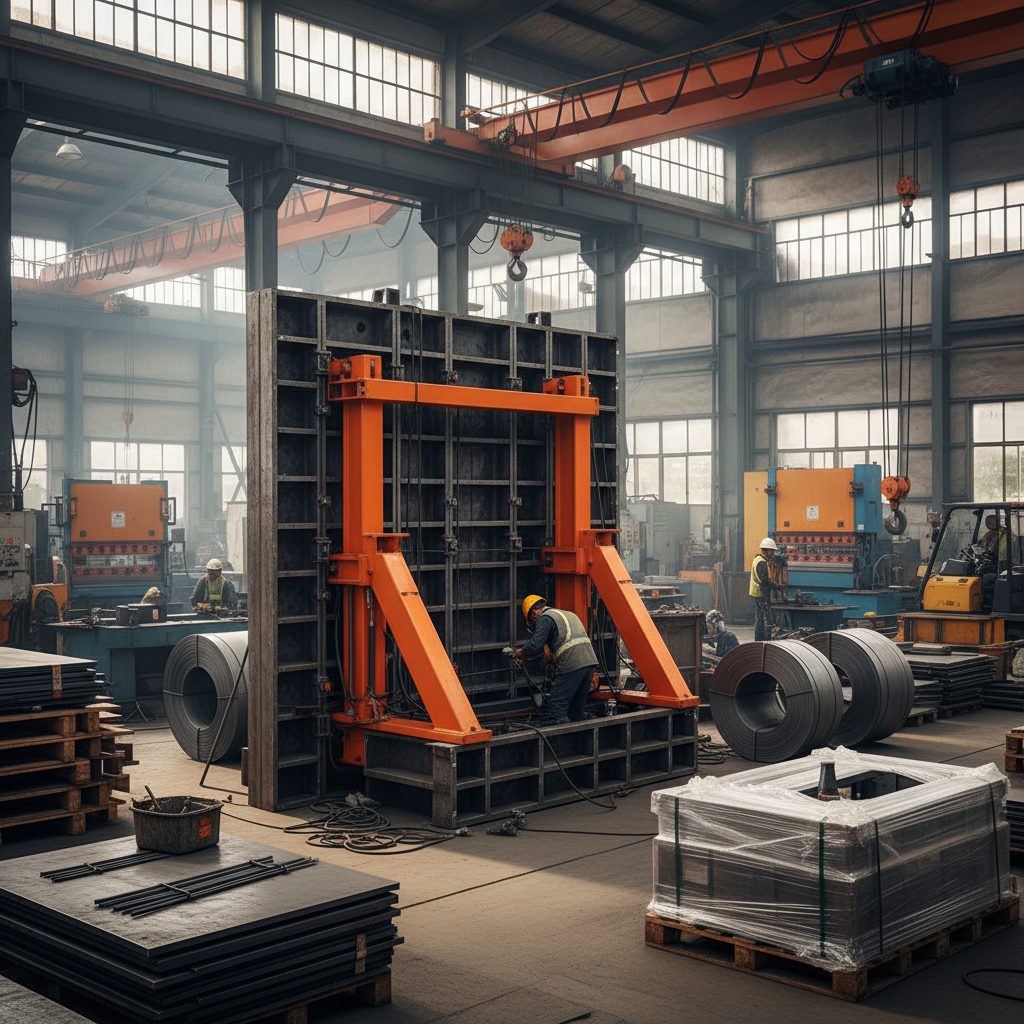
Simply put, shear wall shuttering is a construction method where pre-fabricated wall panels, designed to resist lateral forces (like wind and earthquakes), are assembled on-site. Think of it like building with giant LEGOs, but with engineering precision. These panels, often made with steel framing and reinforced concrete, are designed to withstand significant stress.
It's a departure from traditional stick-built construction, where everything is assembled piece by piece. Shear wall shuttering emphasizes off-site fabrication, meaning less waste, better quality control, and faster assembly times. It's about moving the work from the unpredictable job site to a controlled factory environment.
This isn’t some brand-new concept, but advancements in materials and manufacturing techniques are making it more accessible and efficient than ever before. It’s a crucial technique for modernizing construction and addressing pressing global needs.
Core Components of Effective shear wall shuttering
One of the biggest factors is the steel framing. The gauge and quality of the steel directly impacts the wall’s strength and durability. We're seeing a shift towards high-strength steel alloys that offer better performance with less material. Proper welding and connection details are paramount; a weak link in the frame compromises the entire system.
The concrete mix design is another critical component. We’re not just throwing any concrete into these panels. It needs to be a carefully engineered mix with the right compressive strength, workability, and resistance to cracking. Adding fiber reinforcement can significantly enhance the concrete's performance.
Finally, the connection details between the panels and the foundation are crucial. You need a robust connection system that can transfer loads effectively and resist uplift forces. We’re seeing increased use of pre-cast concrete foundations specifically designed to integrate seamlessly with shear wall shuttering systems.
Key Factors Influencing Durability in shear wall shuttering
Let's be blunt, durability isn’t just about the materials; it's about the entire process. Proper storage of materials on site is huge. Steel left exposed to the elements can corrode, compromising its strength. Similarly, concrete needs to be properly cured to reach its full potential.
The quality of workmanship is also vital. Even the best materials can fail if they're not installed correctly. That’s why proper training and certification for the construction crew are non-negotiable. It's not just about speed; it's about doing it right the first time.
Durability Ratings for Common shear wall shuttering Components
Global Applications and Real-World Use Cases
In post-disaster relief operations, shear wall shuttering is a game-changer. We’re talking about getting temporary shelters up in days, not weeks, providing immediate safety and dignity to those who have lost everything. It's about speed, but also about building structures that can withstand aftershocks and subsequent storms.
In remote industrial zones, where skilled labor is scarce, these systems can dramatically reduce construction time and costs. Mining operations, oil and gas facilities – these are places where rapid deployment and reliable structures are essential.
Advantages and Long-Term Value Proposition
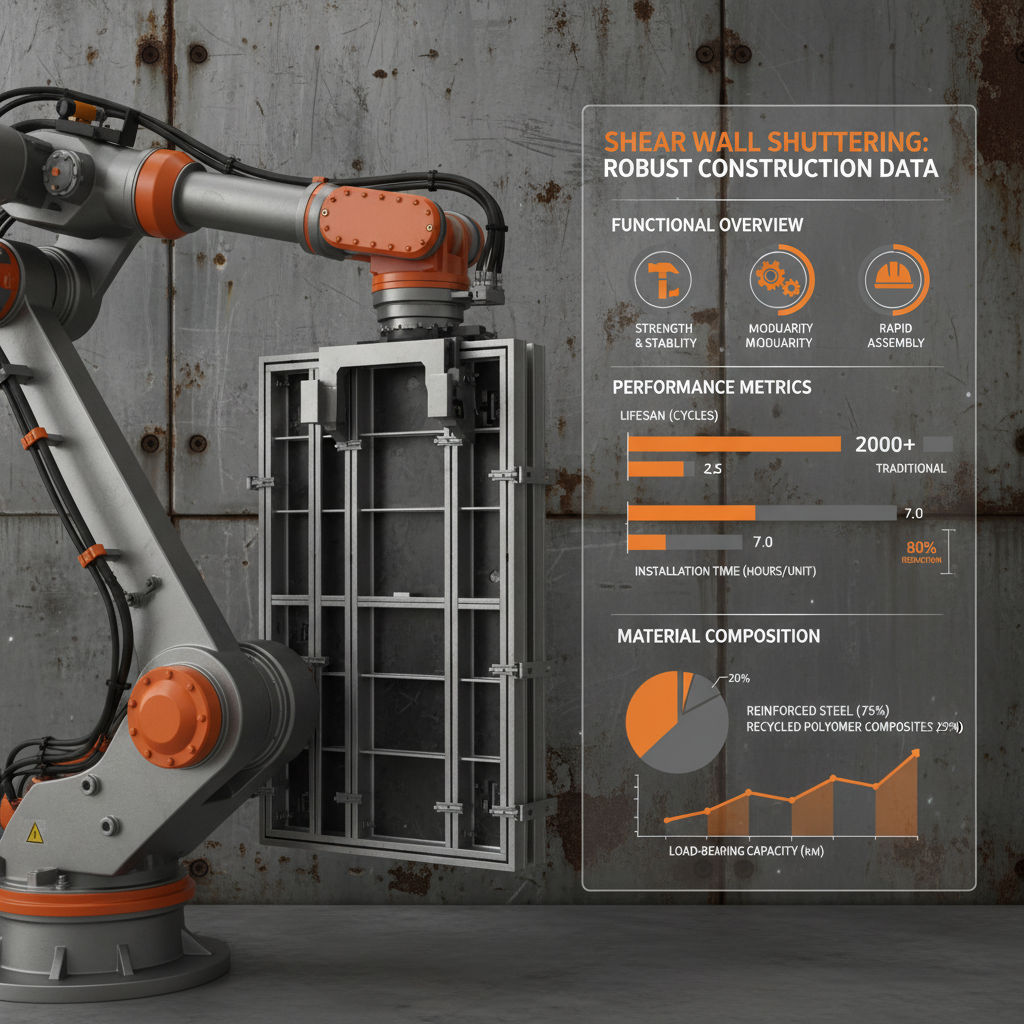
The cost savings are significant. Reduced labor costs, less material waste, and faster project completion all contribute to a lower overall price tag. But it's not just about money; it's about sustainability. Reducing waste and using durable materials minimizes the environmental impact.
And let's not forget the safety aspect. A well-built shear wall shuttering structure provides superior protection against earthquakes, hurricanes, and other natural disasters. That peace of mind is priceless.
Ultimately, shear wall shuttering builds trust – trust in the structure, trust in the process, and trust in the future.
Future Trends and Innovations in shear wall shuttering
We're seeing a lot of work being done on integrating smart technologies into shear wall shuttering panels – things like embedded sensors to monitor structural health, and automated systems for quality control. This is where digital transformation really comes into play.
There’s also a growing emphasis on using sustainable materials – things like bamboo fiber reinforced concrete and recycled steel. The industry is actively seeking ways to reduce its carbon footprint and create more environmentally friendly structures.
Automation in the fabrication process is another key trend. Robotics and AI are being used to improve precision, increase efficiency, and reduce labor costs.
Summary of Challenges and Solutions for shear wall shuttering
| Challenge |
Impact on shear wall shuttering Performance |
Potential Solution |
Implementation Cost (1-10) |
| Material Cost Fluctuations |
Increased Project Expenses, Budget Overruns |
Long-Term Supply Contracts, Value Engineering |
6 |
| Skilled Labor Shortage |
Reduced Quality, Project Delays |
Comprehensive Training Programs, Automation |
8 |
| Transportation Logistics |
Increased Lead Times, Damage During Transit |
Optimized Route Planning, Protective Packaging |
5 |
| On-site Coordination |
Assembly Errors, Schedule Disruptions |
Building Information Modeling (BIM), Prefabrication Sequencing |
7 |
| Regulatory Compliance |
Permitting Delays, Design Modifications |
Early Engagement with Authorities, Standardized Approvals |
4 |
| Material Compatibility |
Corrosion, Reduced Structural Integrity |
Material Selection Guidelines, Protective Coatings |
3 |
FAQS
shear wall shuttering offers several advantages, including faster construction times due to off-site fabrication, reduced material waste, improved quality control in a factory setting, and enhanced structural performance. It’s particularly beneficial in situations requiring rapid deployment or in areas with skilled labor shortages. Ultimately, it delivers a more predictable and cost-effective building process.
shear wall shuttering systems are specifically engineered to resist lateral forces like those experienced during earthquakes and high winds. The pre-fabricated panels are designed with robust steel framing and concrete cores, creating a rigid structure capable of absorbing significant stress. Proper connection detailing between the panels and the foundation is critical for maximizing this performance.
The lifespan of a shear wall shuttering structure depends on factors such as material quality, environmental conditions, and maintenance practices. However, with proper design and construction, these structures can easily last for 50-100 years, comparable to or even exceeding the lifespan of conventionally built structures. Regular inspections and maintenance are key to maximizing longevity.
While shear wall shuttering offers many advantages, there are some considerations. Transportation of large panels can be challenging and costly. Design flexibility may be slightly limited compared to traditional methods. And, the initial investment in tooling and fabrication facilities can be significant. However, the long-term benefits often outweigh these drawbacks.
Although the initial material costs may sometimes be higher, shear wall shuttering often results in overall cost savings due to reduced labor, faster construction times, and minimized material waste. The predictability of the construction process also helps to control costs and avoid budget overruns. A detailed cost analysis is crucial for each specific project.
shear wall shuttering systems offer a good degree of customization, particularly in terms of panel size, shape, and finishes. While there may be some limitations compared to fully custom designs, it’s possible to create structures that meet specific architectural and functional requirements. Advances in manufacturing techniques are continually expanding the design possibilities.
Conclusion
In short, shear wall shuttering is reshaping the construction landscape. It's more than just a technique; it’s a holistic approach to building that addresses the pressing needs of a rapidly changing world – from disaster relief to sustainable urbanization. By embracing innovation and prioritizing efficiency, we can build a more resilient and equitable future.
I encourage anyone involved in the construction industry to explore the possibilities of shear wall shuttering. It’s an investment in a better, faster, and more sustainable way to build. Visit our website at www.constrframe.com to learn more and discover how we can help you bring your projects to life.