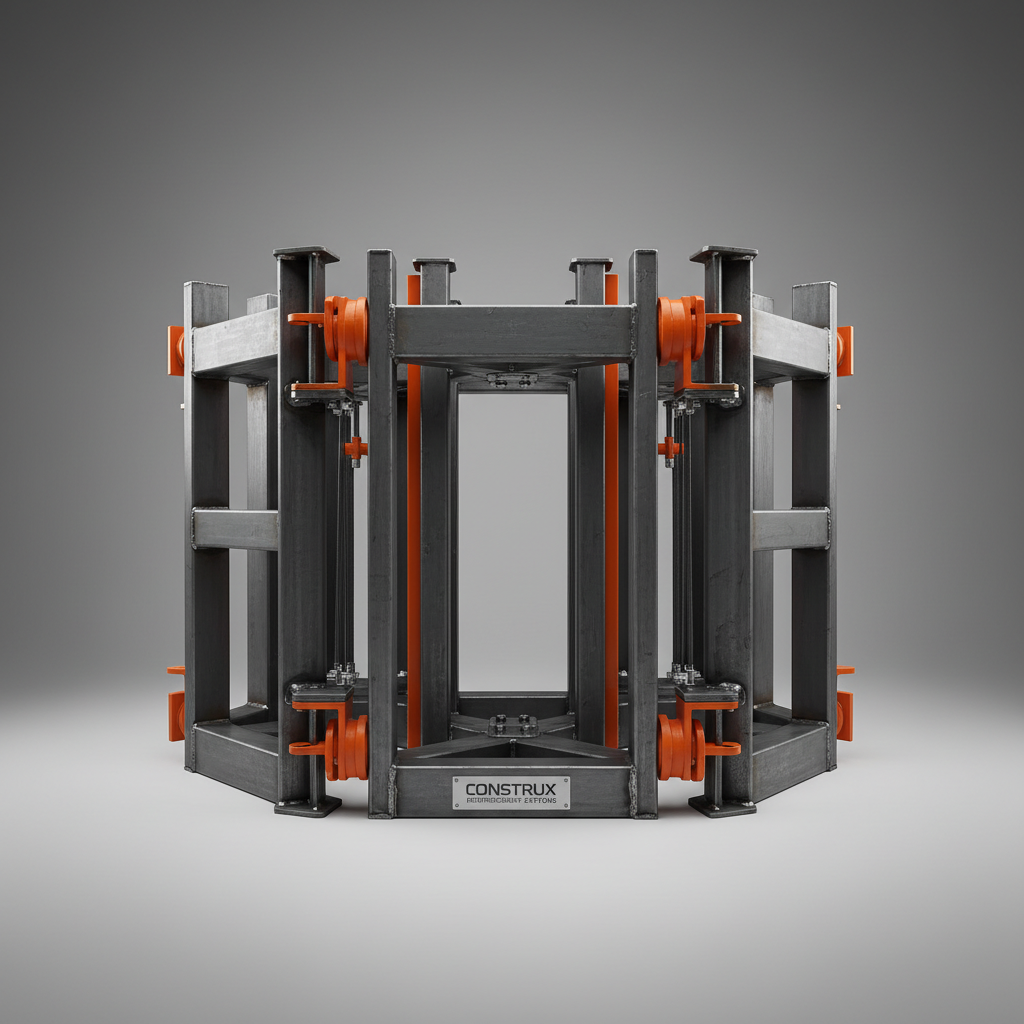
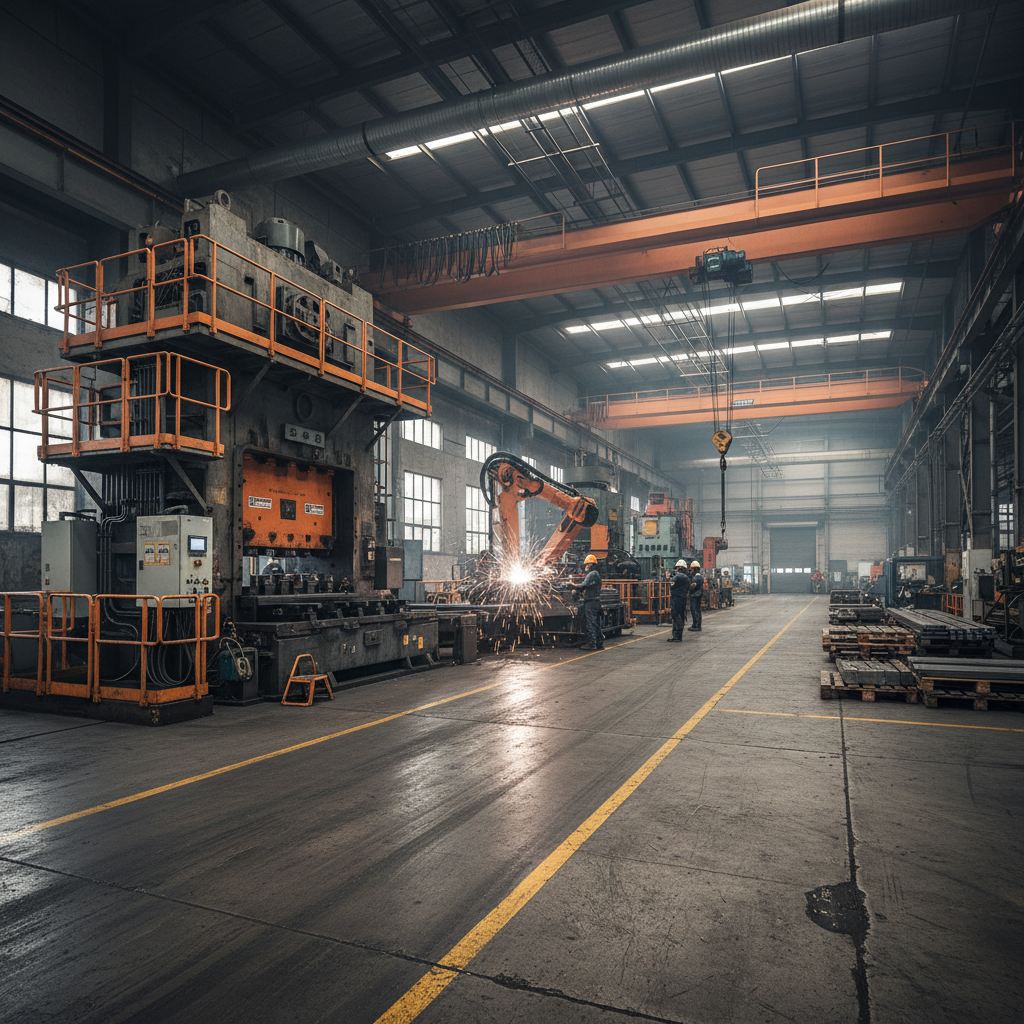
Shear wall formwork. Sounds technical, right? It is, but it’s also incredibly fundamental to the buildings around us, and increasingly, to how we respond to crises globally. I’ve spent the last fifteen years on construction sites, everything from high-rises in Tokyo to rapid-deployment housing after earthquakes in Nepal. And one thing I can tell you is, getting the walls up quickly, safely, and reliably is everything. That’s where shear wall formwork comes in. It’s not just about concrete; it’s about speed, cost, and ultimately, people’s lives. Understanding this isn't just for engineers; it impacts project managers, developers, and anyone involved in modern construction.
We're seeing a global construction boom, particularly in developing nations, but also a concurrent increase in extreme weather events and humanitarian crises. This creates a critical need for resilient structures that can be built quickly and efficiently. Traditional construction methods often fall short in these scenarios. Shear wall formwork provides a solution by streamlining the process of creating structurally sound walls, the very backbone of any building. Think about it: every second counts in disaster relief, and pre-fabricated or quickly assembled formwork systems can be the difference between shelter and exposure.
The real shift is that we're not just building more, we’re building differently. There’s a huge push for prefabrication, modular construction, and more sustainable practices. Shear wall formwork is becoming central to these innovations, allowing for greater precision, reduced waste, and faster build times. I’ve seen firsthand how a well-planned formwork strategy can shave weeks off a project schedule and save clients significant amounts of money. It’s a deceptively simple concept with a massive ripple effect.
Introduction: Global or Industry Context
The demand for safe, efficient, and affordable housing and infrastructure is skyrocketing globally. The UN estimates that over a billion people live in inadequate housing, and the World Bank projects that $1 trillion in investment will be needed annually to meet the future demand for infrastructure. This growth isn’t just happening in major cities; it’s occurring in rapidly urbanizing areas and regions prone to natural disasters. This is where shear wall formwork is critical, as it enables faster and more reliable construction of resilient structures.
However, the construction industry faces significant challenges: labor shortages, rising material costs, and a growing need for sustainable practices. Traditional formwork methods are often labor-intensive, generate significant waste, and can be slow to implement. The ISO standards for structural integrity are becoming increasingly stringent, requiring higher precision and quality control. Shear wall formwork, when implemented effectively, addresses many of these issues by offering a more streamlined, efficient, and quality-assured approach.
The core problem we’re trying to solve isn’t just about building walls, it’s about building better walls, faster, and with less impact. I’ve seen too many projects delayed or compromised by inadequate formwork. It's a foundational element that dictates the quality and timeline of the entire project, and a seemingly small improvement in formwork efficiency can lead to massive gains overall.
Definition & Meaning
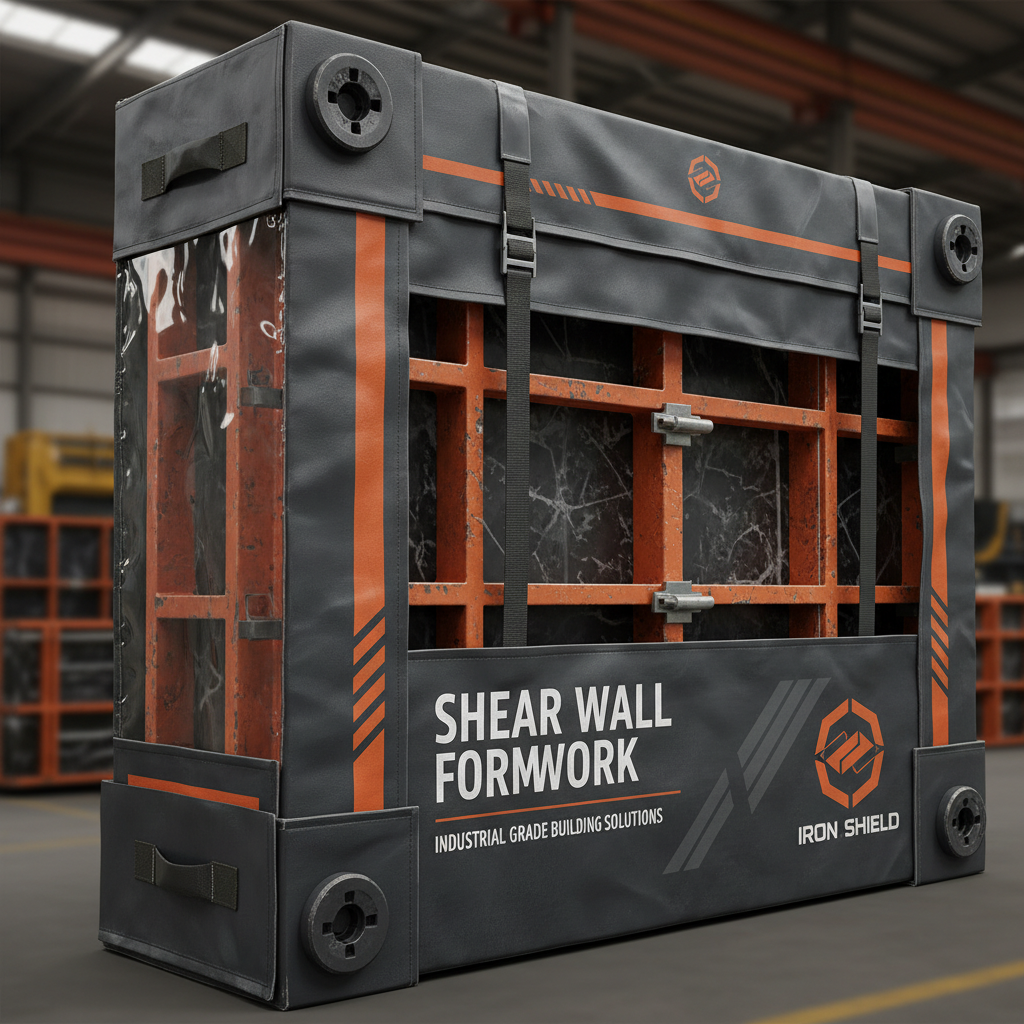
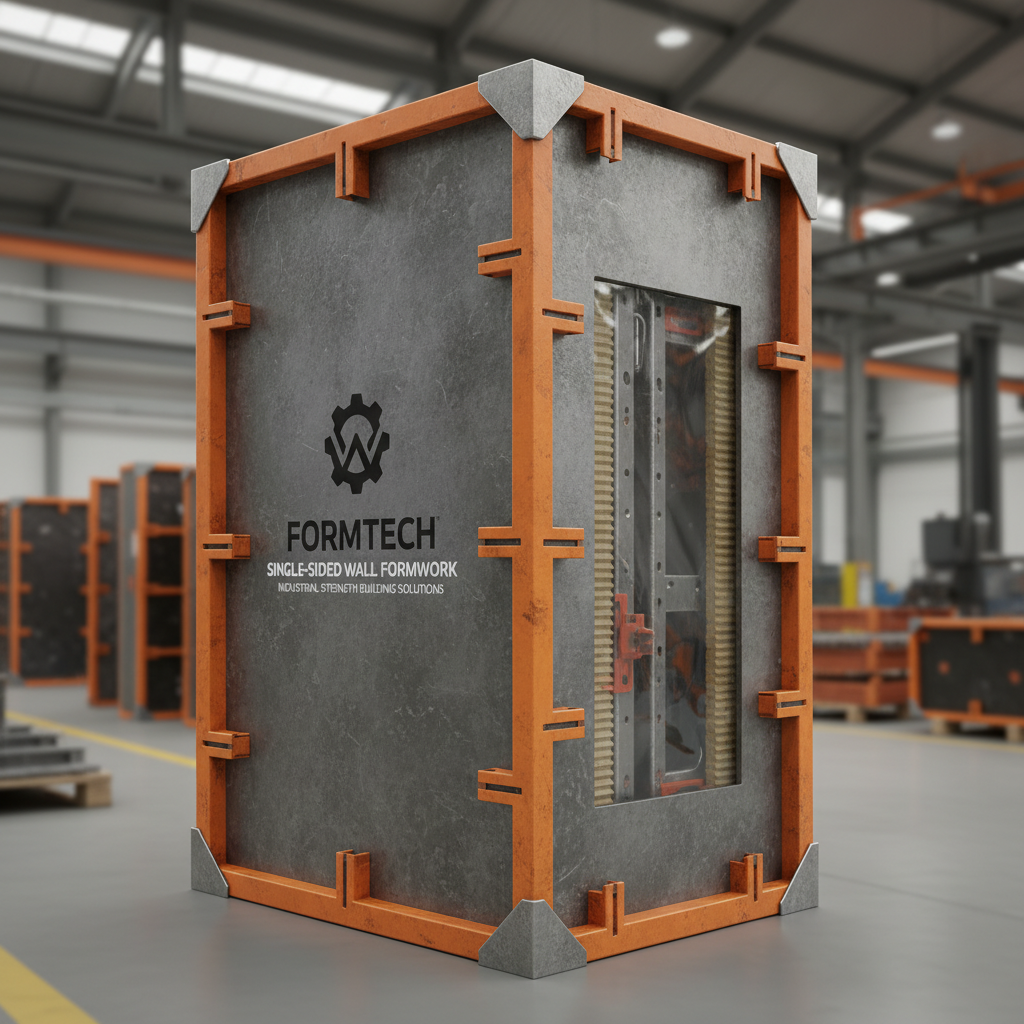
Simply put, shear wall formwork is the temporary or reusable structure used to mold and support concrete walls that resist lateral forces – think earthquake or wind loads. It’s the ‘mold’ that gives the concrete its shape and ensures it cures properly. Unlike simple wall forms, shear wall formwork is specifically designed to handle the significant stresses placed on these critical structural elements. It's not just a box to hold concrete; it’s a precisely engineered system.
This technology connects directly to the growing need for resilient infrastructure in a world facing increased natural disasters. The ability to quickly erect stable shear walls is paramount in disaster relief scenarios, allowing for the rapid construction of shelters and essential facilities. Beyond emergency situations, it’s crucial for building robust structures in earthquake-prone zones or areas susceptible to hurricanes.
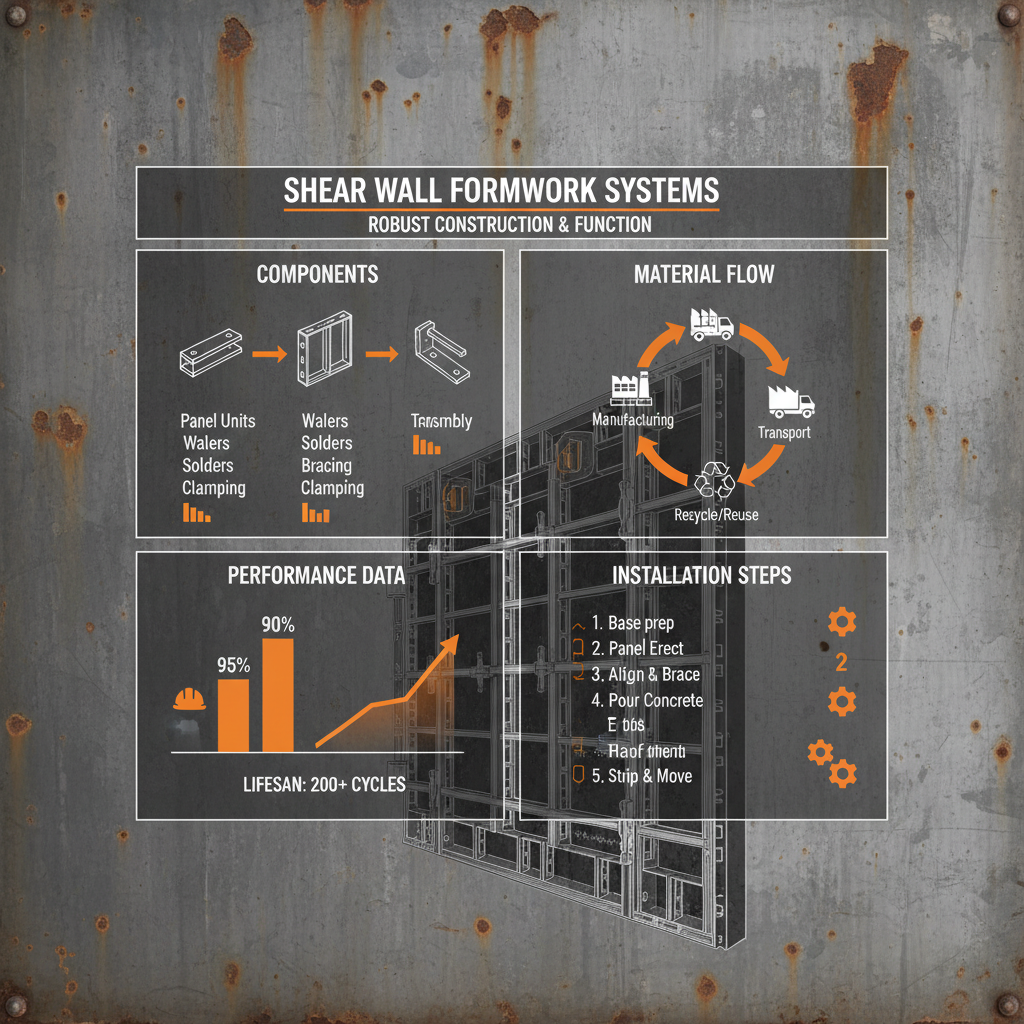
From a practical standpoint, modern shear wall formwork has moved far beyond simple timber framing. We’re talking about engineered steel systems, modular designs, and even pre-fabricated panels. These advancements not only improve speed and accuracy but also reduce labor costs and material waste, aligning with the industry’s push for sustainability.
Key Factors or Core Components
Durability is paramount. These systems take a beating – repeated use, exposure to the elements, and the constant pressure of wet concrete. A robust formwork system, built with high-quality materials, will withstand these stresses and deliver consistent results over the long term. Cheap materials often lead to deformation, cracking, and ultimately, costly repairs.
Scalability is critical for larger projects. Being able to adapt the formwork system to different wall heights, thicknesses, and configurations is essential. Modular systems excel here, allowing for easy expansion or modification without significant downtime or custom fabrication. I’ve seen projects delayed for weeks because the formwork couldn’t be easily adjusted to design changes.
Cost Efficiency isn’t just about the initial purchase price; it encompasses labor costs, material waste, and project timelines. A well-designed formwork system will minimize these factors, delivering significant savings over the life of the project. Lightweight materials and simplified assembly processes contribute to lower labor costs, while precise dimensions reduce concrete waste.
Global Applications & Use Cases
In post-disaster relief operations, rapid deployment of shear wall formwork systems allows for the construction of emergency shelters and critical infrastructure like hospitals and schools. We’ve seen this extensively after earthquakes in Haiti and Nepal, where speed and stability are crucial. These systems often utilize pre-fabricated panels that can be quickly assembled on-site, minimizing the need for skilled labor.
In remote industrial zones, like mining operations in Australia or oil fields in Canada, shear wall formwork facilitates the construction of robust and durable facilities that can withstand harsh environmental conditions. The ability to minimize on-site labor and reduce material waste is particularly valuable in these locations, where logistics can be challenging and costly.
We're also seeing increasing adoption of shear wall formwork in high-density urban environments, particularly for the construction of multi-story residential and commercial buildings. The precision and efficiency of these systems are essential for maximizing space utilization and meeting stringent building codes. The trend towards modular construction is driving even greater demand for adaptable and reliable shear wall formwork solutions.
shear wall formwork Method Comparison
Advantages & Long-Term Value
The cost savings are substantial. Reduced labor requirements, minimized material waste, and faster project completion all translate into significant financial benefits. But it’s not just about the bottom line. Using quality shear wall formwork contributes to a more sustainable construction process, reducing the environmental impact of your project.
From a safety perspective, well-engineered formwork systems are inherently more stable and reliable, reducing the risk of accidents and injuries on the job site. This peace of mind is invaluable. Moreover, buildings constructed with robust shear wall formwork are more resilient to natural disasters, protecting lives and property. It’s an investment in long-term security.
Future Trends & Innovations
We're seeing a huge push towards automation in formwork systems. Robotic assembly and 3D-printed formwork components are on the horizon, promising even faster and more efficient construction processes. These technologies will require a new skillset from construction workers, but the potential benefits are enormous.
Another trend is the development of "smart" formwork systems that incorporate sensors and data analytics to monitor concrete curing, detect potential issues, and optimize performance. This real-time data can help ensure the quality and durability of the structure. I've seen early prototypes that are incredibly promising, offering a level of control and precision we’ve never had before.
Challenges & Solutions
One of the biggest challenges is the initial investment cost. High-quality shear wall formwork systems can be expensive, which can be a barrier for smaller contractors. However, the long-term cost savings and increased efficiency often outweigh the initial expense. Leasing or renting options can also help mitigate this issue.
Another challenge is the need for specialized training. Workers need to be properly trained on the assembly, operation, and maintenance of these systems. Investing in training programs is crucial to ensure safety and maximize efficiency. We also need to see more standardization in formwork design to simplify the process and reduce the risk of errors.
Finally, integrating new technologies like automation and smart sensors requires careful planning and execution. It's important to choose systems that are compatible with existing workflows and to provide adequate training to workers. The future of construction is data-driven, and embracing these technologies is essential for staying competitive.
Summary of Challenges and Solutions related to Shear Wall Formwork
| Challenge |
Impact on Project |
Potential Solution |
Implementation Difficulty (1-10) |
| High Initial Cost |
Budget constraints, delays in project start |
Leasing options, phased implementation |
4 |
| Lack of Skilled Labor |
Increased labor costs, potential for errors |
Comprehensive training programs, simplified assembly designs |
6 |
| System Compatibility Issues |
Integration challenges, workflow disruptions |
Standardization of formwork components, modular designs |
7 |
| Material Durability Concerns |
Frequent repairs, reduced lifespan of the formwork |
Use of high-quality materials, protective coatings |
5 |
| Complex Design Adaptations |
Delays in project timeline, increased costs |
Flexible and modular systems, BIM integration |
8 |
| Resistance to New Technologies |
Slow adoption rates, missed opportunities for efficiency gains |
Demonstration projects, training and education, clear ROI analysis |
6 |
FAQS
Traditional timber formwork is generally cheaper upfront, but it requires significantly more labor for assembly and disassembly, is prone to warping and deformation, and has a shorter lifespan. Steel formwork offers superior durability, precision, and speed of construction, leading to long-term cost savings. It's also more adaptable to complex designs and can withstand repeated use without significant degradation.
Shear wall formwork reduces material waste through precise concrete placement and minimizes the need for rework. Reusable steel formwork systems have a lower environmental impact compared to disposable timber forms. Faster construction times reduce overall project energy consumption. Plus, the resulting durable structures require less maintenance and have a longer lifespan, contributing to long-term sustainability.
Proper bracing and stabilization are essential to prevent collapse during concrete pouring. Workers must wear appropriate personal protective equipment (PPE), including hard hats and safety glasses. Regular inspections of the formwork system are necessary to identify and address any potential hazards. Comprehensive training on assembly, operation, and safety procedures is critical.
With proper care and maintenance, a high-quality steel shear wall formwork system can last for decades. Regular cleaning, inspection, and repair of any damaged components are essential. Protective coatings can help prevent corrosion and extend the lifespan of the system. Some systems are designed for hundreds of uses before requiring major refurbishment.
Shear wall formwork significantly accelerates construction timelines. The precision and efficiency of these systems reduce the time required for wall construction, allowing other trades to proceed more quickly. Modular designs and pre-fabricated panels further streamline the process, minimizing delays and enabling faster project completion.
We're seeing increased use of lightweight materials, like aluminum alloys, to reduce handling costs. Self-climbing formwork systems are becoming more popular for high-rise construction. Integration with Building Information Modeling (BIM) allows for precise design and fabrication of formwork components. Finally, smart formwork systems with embedded sensors are providing real-time data on concrete curing and structural performance.
Conclusion
In conclusion, shear wall formwork is far more than just a construction component – it’s a fundamental element driving efficiency, safety, and sustainability in modern building practices. From rapid disaster relief to large-scale infrastructure projects, its ability to deliver reliable, high-quality walls quickly and cost-effectively is invaluable. Understanding its principles, applications, and emerging trends is essential for anyone involved in the construction industry.
Looking ahead, the continued innovation in materials, automation, and data analytics will undoubtedly revolutionize shear wall formwork even further. Investing in training, embracing new technologies, and prioritizing quality will be key to unlocking its full potential. If you’re looking to optimize your construction projects and build a more resilient future, explore the possibilities of advanced shear wall formwork solutions. Visit our website: constrframe.com.