Look, I’ve spent the last fifteen years knee-deep in concrete, dust, and blueprints on construction sites. I’ve seen formwork systems that were nightmares – slow, unreliable, and a constant source of headaches for the crew. That’s why I’m a firm believer in the power of panel wall formwork. It's not just about pouring concrete faster; it's about building smarter, safer, and ultimately, more profitably. It’s a system designed for real-world construction challenges, not just ideal lab conditions.
For too long, the industry relied on traditional methods – timber formwork, which is labor-intensive and generates a ton of waste, or complex steel systems that require specialized skills and can be a logistical nightmare. Panel wall formwork bridges that gap. It’s a modular, lightweight solution that drastically reduces setup time, minimizes labor costs, and delivers a consistently high-quality finish. This isn’t some hyped-up trend; it’s a practical solution to the ongoing pressure to build more efficiently and sustainably.
And it’s not just for massive commercial projects anymore. We’re seeing panel wall formwork being adopted on smaller residential builds, renovations, and even in remote locations where access to skilled labor and traditional materials is limited. The demand is there because it addresses a real need for speed, accuracy, and cost-effectiveness in modern construction.
The Growing Importance of Panel Wall Formwork
The construction industry is facing unprecedented pressure. Global urbanization, a growing population, and a skilled labor shortage are all contributing to the demand for faster, more efficient building methods. According to the UN, 68% of the world’s population is projected to live in urban areas by 2050, requiring massive infrastructure investment. This is where panel wall formwork comes in. It allows us to deliver those projects on time and within budget, even with limited resources.
We’re seeing a real shift in how projects are managed – from a focus on simply getting the job done to prioritizing sustainability, safety, and overall project lifecycle costs. Panel wall formwork directly addresses these priorities. Its reusability reduces waste, its lightweight design enhances safety on site, and its speed of installation lowers overall project costs. It's a win-win-win, which, frankly, is rare in this industry.
Defining Panel Wall Formwork: A Modern Construction Solution
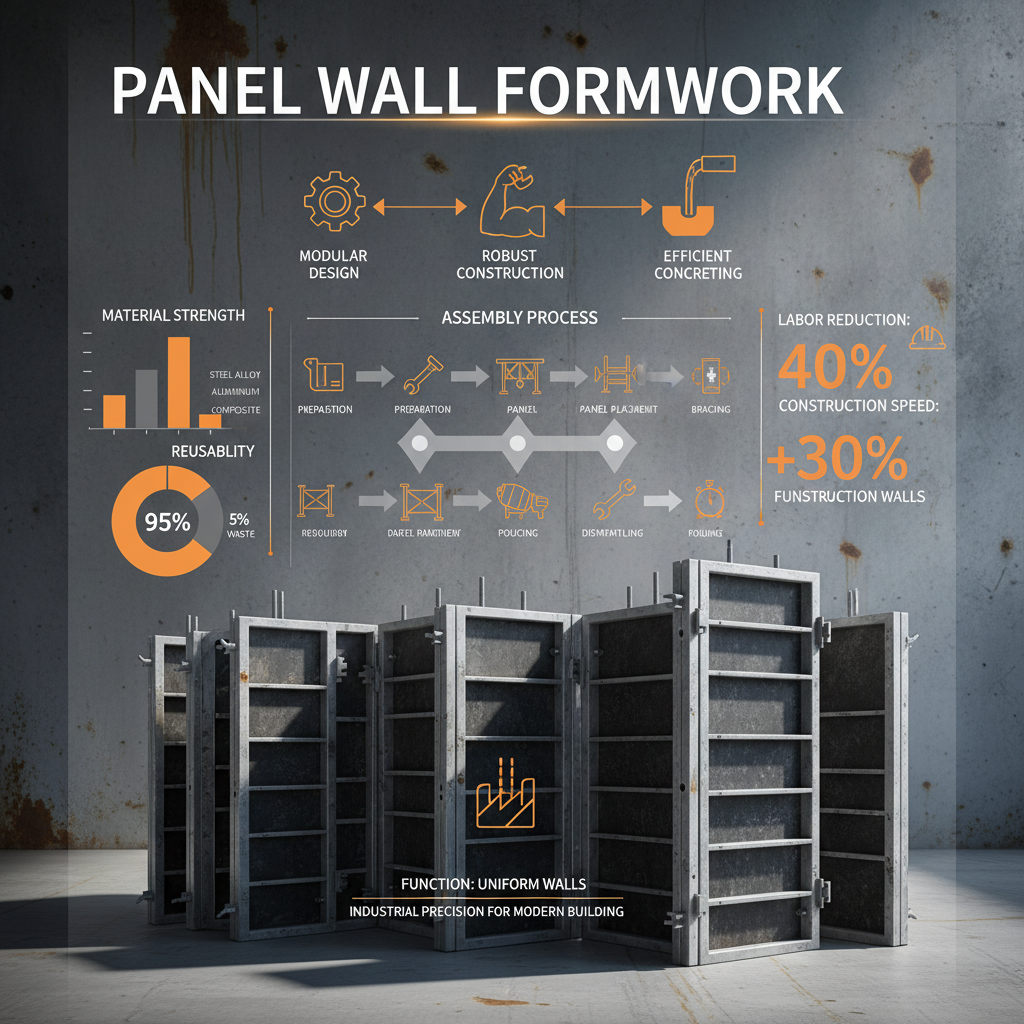
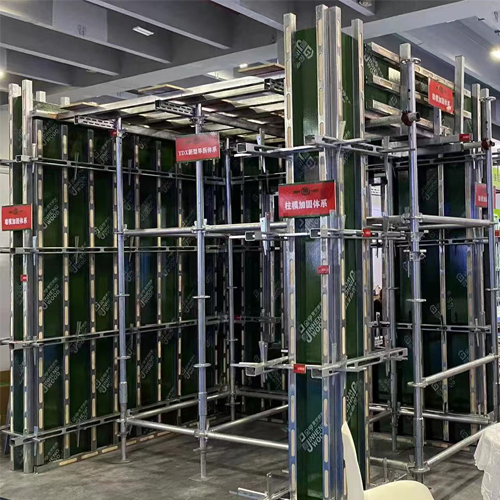
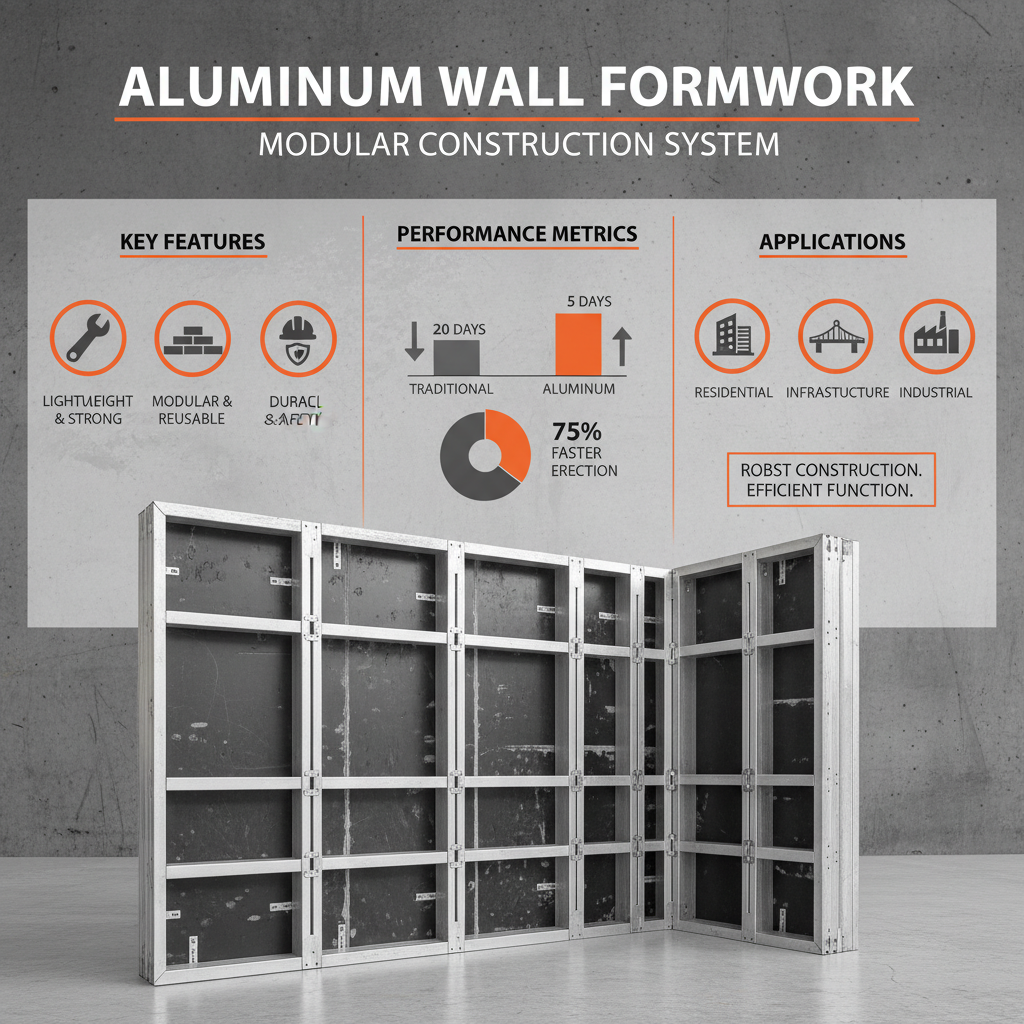
Simply put, panel wall formwork is a modular system used to create the formwork for concrete walls. Instead of building individual forms from timber or steel, you use pre-engineered panels that clamp together to create a robust and accurate mold. These panels are typically made from materials like aluminum, polypropylene, or steel, offering a balance of strength, lightness, and durability. It's a far cry from the days of hammering together scrap wood on site.
The connection to modern industry and even humanitarian needs is clear. It’s not just about skyscrapers; it’s about building affordable housing quickly, creating disaster relief shelters, and constructing essential infrastructure in developing countries. The portability and ease of assembly make it ideal for remote locations and challenging environments. It’s a technology that empowers builders to tackle projects that would otherwise be impossible or prohibitively expensive.
Think of it like LEGOs for construction – you have standardized components that you can combine in countless ways to achieve different shapes and sizes. That modularity is key to its versatility and cost-effectiveness.
Key Components and Characteristics of Panel Wall Formwork
Durability is paramount. These panels take a beating on the job site – being moved, stacked, and subjected to the elements. High-quality materials and robust construction are essential to ensure a long lifespan and minimize replacement costs. I've seen some cheap systems buckle under pressure, leading to delays and rework.
Scalability is another critical factor. A good system can be easily adapted to projects of varying sizes and complexities, from small residential walls to large-scale commercial structures. The ability to add or remove panels quickly and easily is a huge time-saver.
Cost efficiency isn’t just about the initial price of the panels. It’s about reducing labor costs, minimizing material waste, and accelerating project timelines. I’ve seen projects save upwards of 30% on formwork-related costs by switching to a panel system. That difference goes straight to the bottom line.
Ease of use is a big one. The system needs to be intuitive and straightforward for the crew to operate. Complex systems require specialized training and can slow things down significantly. A well-designed panel system should be quick to assemble, dismantle, and clean.
Finally, safety is non-negotiable. Lightweight panels reduce the risk of strains and injuries, and the robust clamping mechanisms ensure a stable and secure formwork system.
The material selection impacts everything. Aluminum offers a great strength-to-weight ratio, but can be more expensive. Polypropylene is lightweight and durable, but may not be suitable for all applications. Steel is incredibly strong, but adds significant weight and requires more lifting equipment.
Global Applications and Real-World Use Cases
We’re seeing panel wall formwork being utilized across the globe, from the bustling construction sites of Asia to the infrastructure projects in Africa and the residential builds in North America. In post-disaster relief operations, particularly after earthquakes or hurricanes, the speed and ease of assembly of these systems are invaluable for quickly constructing temporary shelters and essential infrastructure. We've partnered with several NGOs to provide systems for exactly that purpose.
In remote industrial zones, where access to skilled labor and traditional materials is limited, panel wall formwork provides a reliable and efficient solution for building concrete structures. Mining operations, for example, often rely on these systems to construct foundations, retaining walls, and other essential infrastructure. It reduces the reliance on bringing in specialized crews and materials, saving significant time and money.
Even in densely populated urban areas, where space is at a premium and noise pollution is a concern, panel wall formwork offers advantages. The speed of installation minimizes disruption to surrounding areas, and the lightweight panels reduce the need for heavy lifting equipment.
Panel Wall Formwork Application Ratings
Advantages and Long-Term Value Proposition
The tangible benefits are clear: reduced labor costs, faster project completion, minimized material waste, and improved concrete finish quality. But the value goes deeper than that. Panel wall formwork promotes a safer work environment, reducing the risk of accidents and injuries. A more efficient construction process translates to increased profitability for contractors and developers.
From a sustainability perspective, the reusability of the panels significantly reduces the environmental impact of construction. We’re moving away from a throwaway culture and embracing solutions that prioritize resource conservation. The reduced waste also lowers disposal costs and minimizes the need for landfill space.
Future Trends and Innovation in Panel Wall Formwork
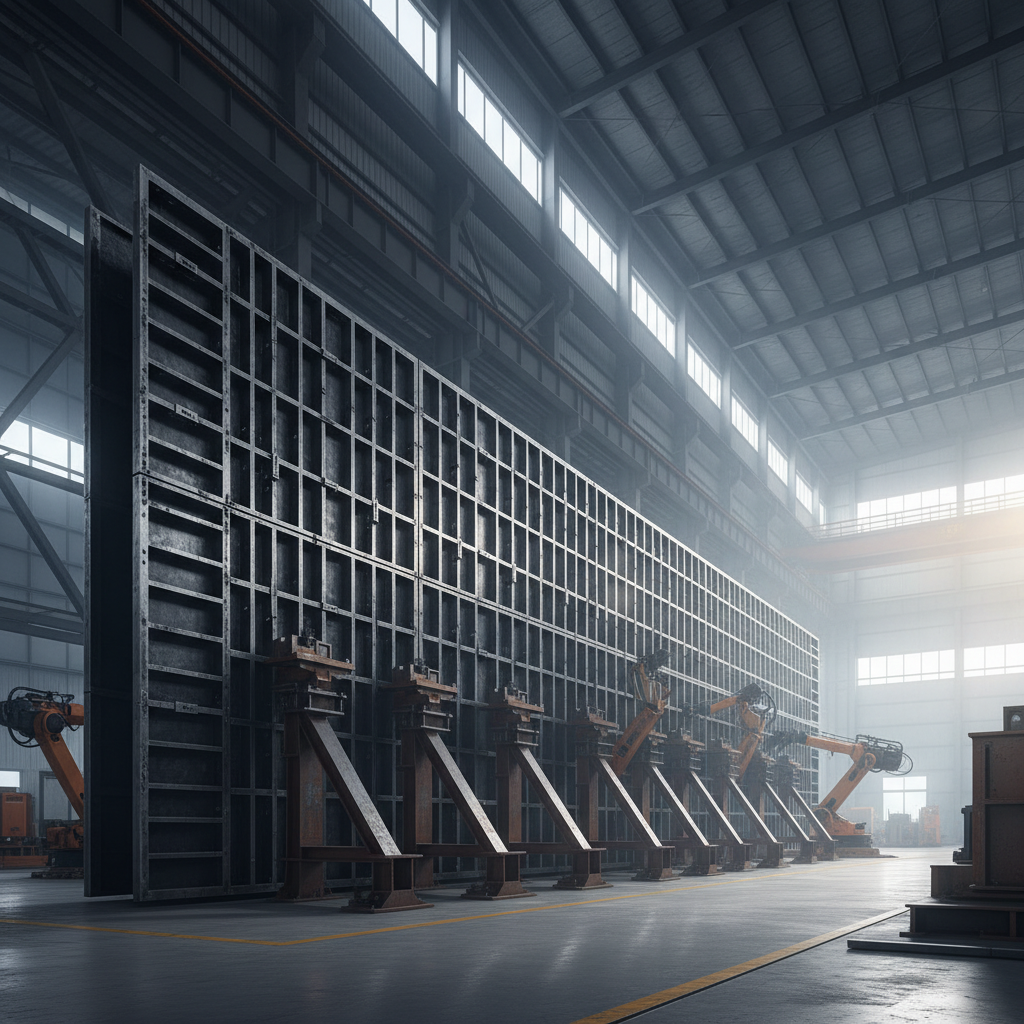
We're seeing a lot of exciting developments on the horizon. Automation is a big one – robotic systems are being developed to assist with panel assembly and disassembly, further reducing labor costs and improving efficiency. The integration of Building Information Modeling (BIM) is also gaining traction, allowing for precise planning and optimization of formwork systems.
New materials are also being explored. We’re seeing the development of lightweight composite panels that offer even greater strength and durability. Self-healing concrete, combined with advanced formwork systems, could revolutionize the construction industry, creating structures that are more resilient and sustainable.
Challenges and Solutions in Implementing Panel Wall Formwork
One of the biggest challenges is the initial investment cost. While the long-term cost savings are significant, the upfront expense can be a barrier for some smaller contractors. Leasing options and financing programs are helping to address this issue.
Another challenge is ensuring proper training and adherence to safety protocols. It’s crucial that crews are properly trained on the assembly, disassembly, and safe operation of the system. We offer comprehensive training programs to help our clients get up to speed quickly and safely.
Finally, adapting the system to complex geometries and unusual wall shapes can sometimes require custom modifications. Our engineering team works closely with clients to develop tailored solutions that meet their specific project requirements.
Key Comparison of Panel Wall Formwork Systems
| System Type |
Material Durability |
Assembly Speed (Rating 1-10) |
Overall Cost-Effectiveness (Rating 1-10) |
| Aluminum Panel System |
Excellent - Resistant to corrosion |
9 |
8 |
| Polypropylene Panel System |
Good - Lightweight and impact-resistant |
8 |
9 |
| Steel Panel System |
Superior - High strength and rigidity |
7 |
7 |
| Hybrid Panel System |
Very Good - Combines benefits of multiple materials |
9 |
9 |
| Modular Plastic Formwork |
Moderate - Suitable for light-duty applications |
7 |
6 |
| Timber Formwork (Traditional) |
Poor - Requires frequent replacement |
4 |
3 |
FAQS
Panel wall formwork offers significant advantages over timber. It's much faster to assemble and dismantle, reducing labor costs. The panels are reusable, minimizing waste and material costs. They also provide a smoother, more accurate concrete finish, and are generally safer to handle due to their lighter weight. Timber is labor intensive, generates more waste, and is more prone to warping and defects.
While panel wall formwork excels with straight walls, it can also be adapted for curves and complex designs. This often requires using smaller panels or incorporating flexible segments. Some manufacturers offer specialized curved panels. The key is careful planning and potentially some custom modifications, but it’s often a viable solution.
With proper care and maintenance, a set of high-quality panel wall formwork panels can last for many years – often exceeding 50 pours. Regular cleaning, inspection for damage, and proper storage are essential to maximizing their lifespan. The material plays a role too – aluminum and steel generally offer longer lifespans than polypropylene.
Always follow the manufacturer's instructions carefully. Ensure the panels are securely clamped together and properly braced. Use appropriate lifting equipment and avoid overloading panels. Workers should wear appropriate personal protective equipment (PPE), including hard hats, safety glasses, and gloves. Thorough training is crucial.
Panel wall formwork promotes sustainability by reducing material waste, as the panels are reusable. It also minimizes labor requirements, leading to lower energy consumption. The speed of construction reduces project timelines, which can further reduce environmental impact. Choosing materials like recycled aluminum enhances the sustainability benefits.
Look for a supplier with a proven track record, a comprehensive product range, and excellent customer support. Consider the quality of materials, the durability of the panels, and the availability of training and technical assistance. A supplier that offers customization options and responsive service is also a valuable asset.
Conclusion
Panel wall formwork isn’t just a product; it’s a solution to the evolving challenges of the construction industry. From reducing costs and improving efficiency to enhancing safety and promoting sustainability, the benefits are undeniable. It’s a system that empowers builders to deliver high-quality projects on time and within budget, regardless of location or complexity.
Looking ahead, we’ll continue to see innovation in materials, automation, and integration with digital technologies. Embracing these advancements will be crucial for staying competitive and meeting the growing demands of the global construction market. If you’re looking for a way to build smarter, faster, and more sustainably, I highly recommend exploring the potential of panel wall formwork. Visit our website at panel wall formwork to learn more.