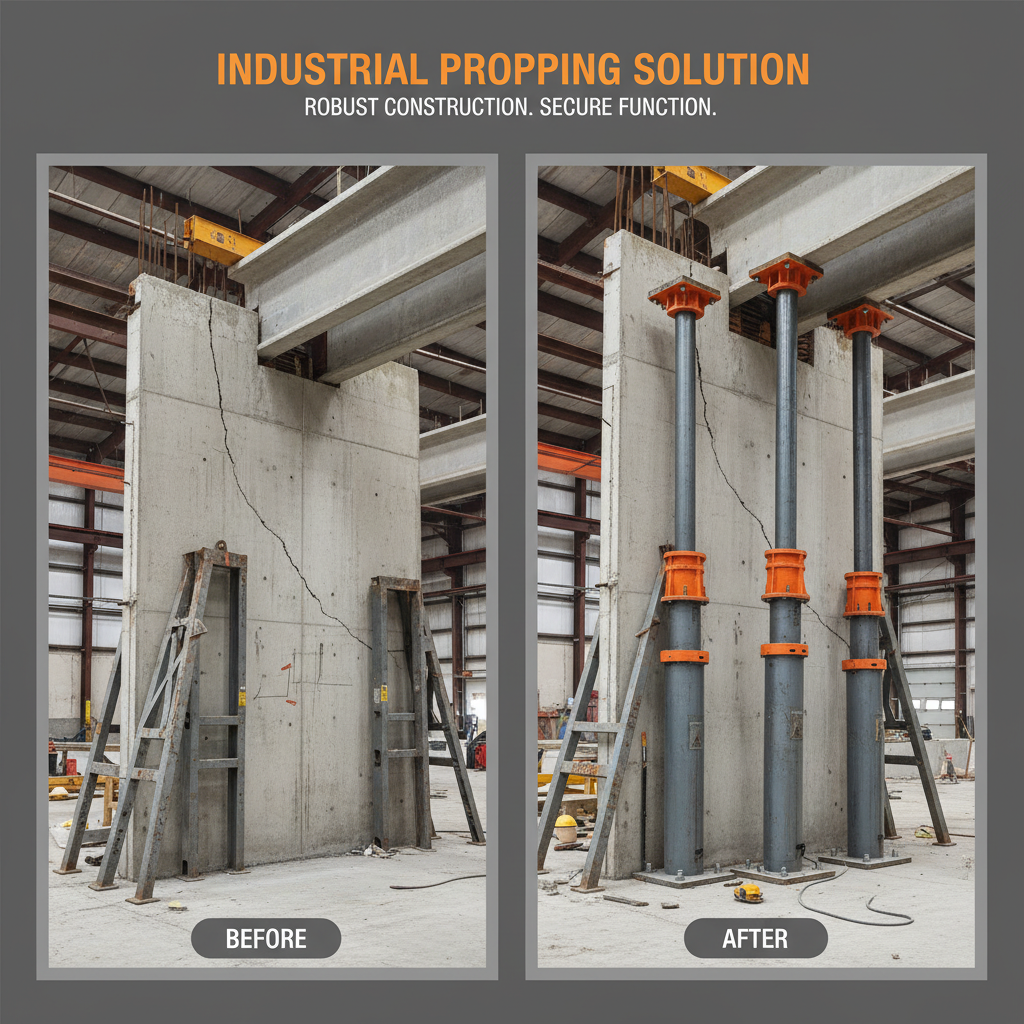
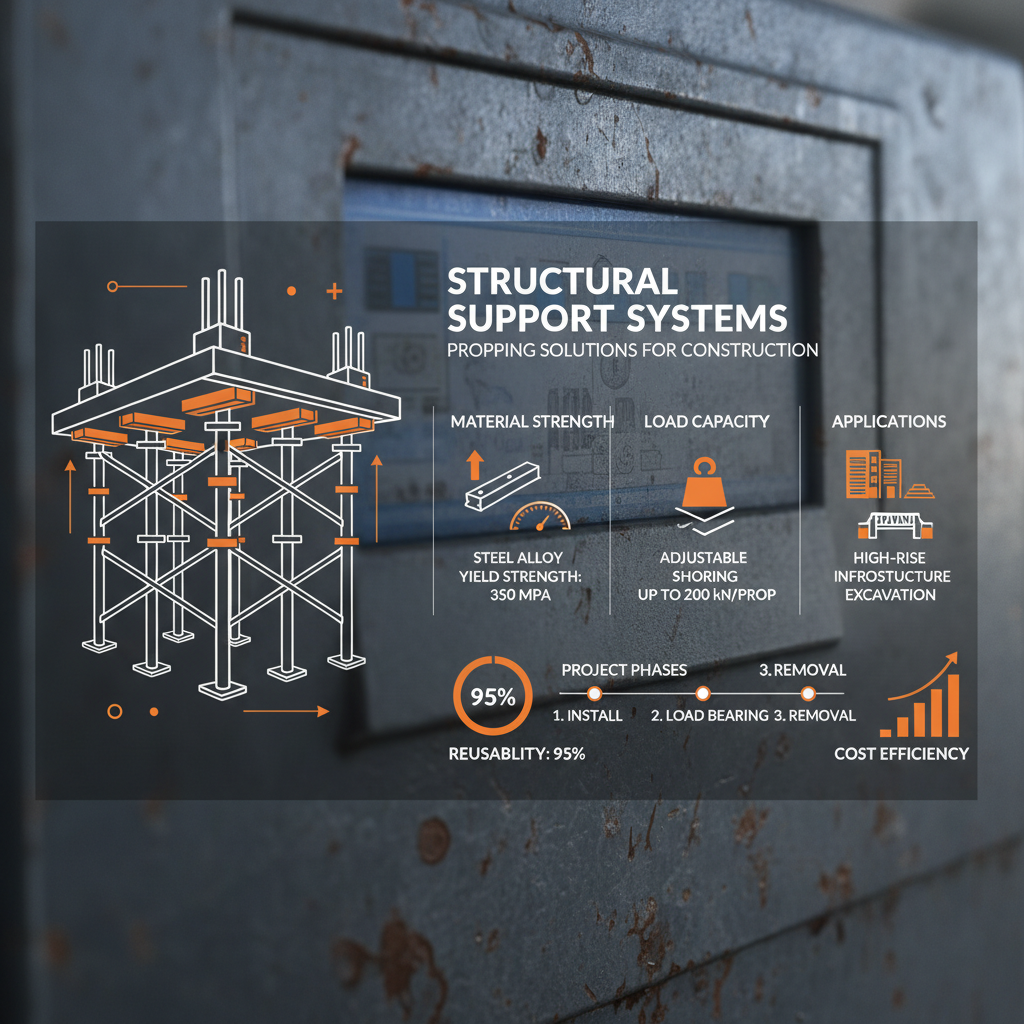
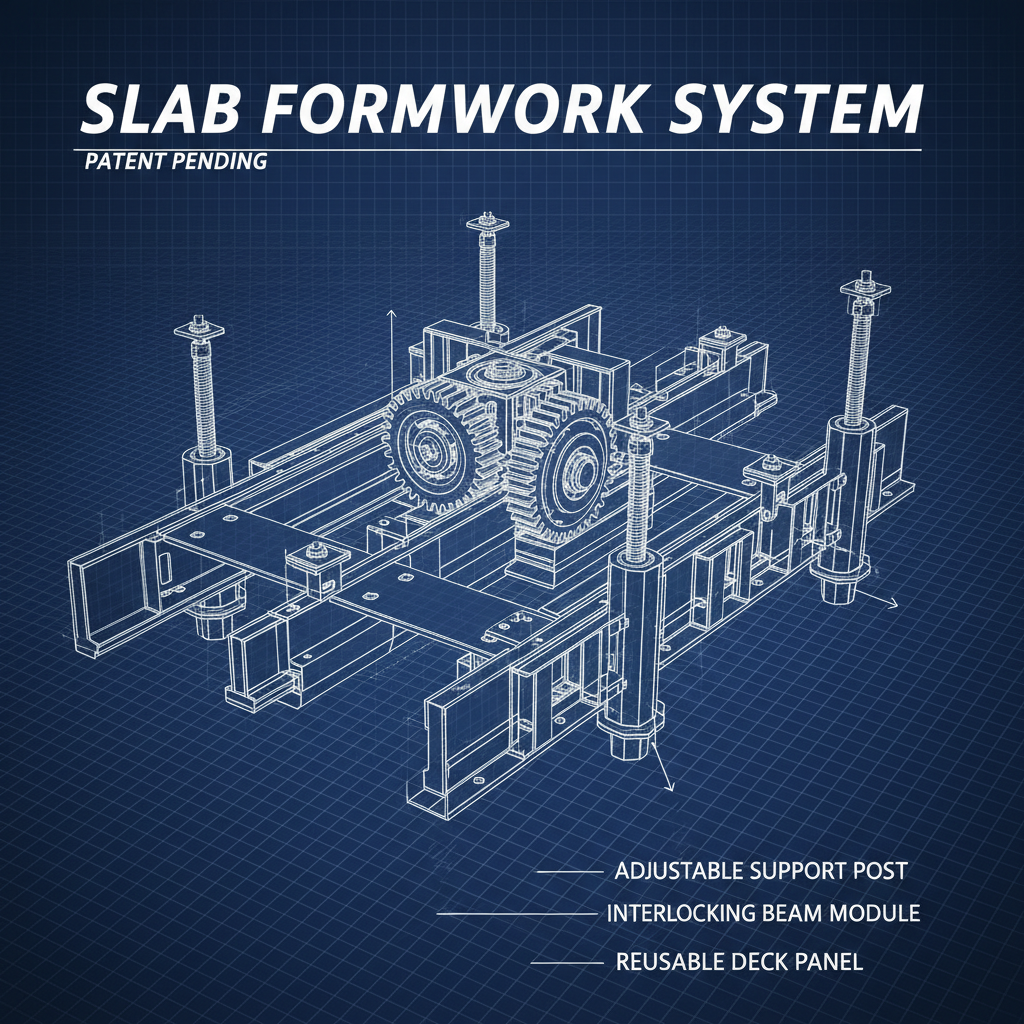
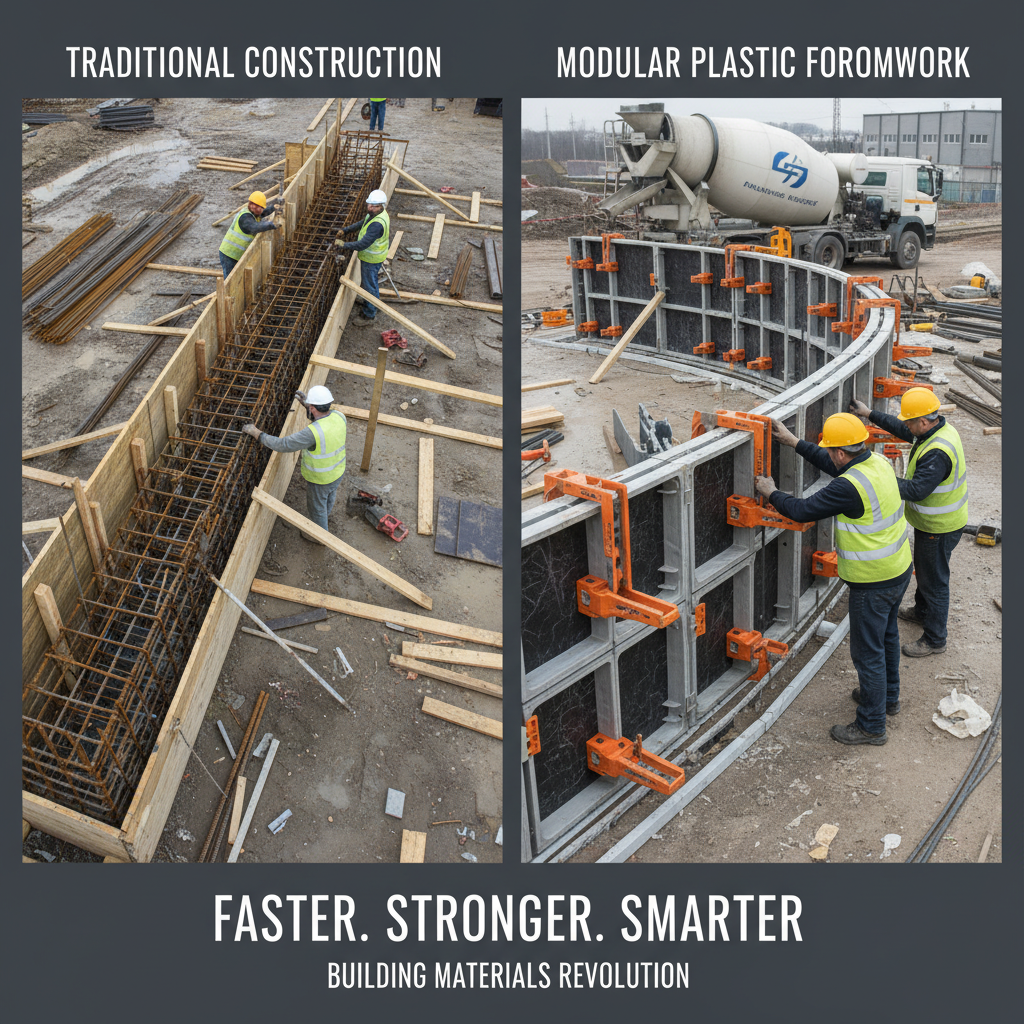
In the complex world of modern construction and structural engineering, propping serves as the invisible backbone that ensures safety and stability during the most critical phases of a build. Whether it is supporting a newly poured concrete slab or maintaining the integrity of a historic facade during renovation, the strategic application of temporary supports is non-negotiable for structural viability.
The global demand for high-performance propping systems has surged as architectural designs become more ambitious, featuring wider spans and heavier loads. Understanding the mechanics of vertical support allows engineers to mitigate the risks of collapse and ensure that the transition from temporary formwork to permanent structure is seamless and secure.
Beyond simple support, modern propping integrates advanced materials and precision engineering to optimize labor costs and project timelines. By leveraging scalable systems, construction firms can now achieve higher levels of precision, reducing waste and increasing the overall sustainability of the building process.
Global Relevance of Propping Systems
On a global scale, the construction industry is facing an unprecedented challenge: the need for rapid urbanization balanced with extreme safety standards. Data from international building codes and ISO standards suggest that structural failure during the construction phase is often linked to inadequate temporary support. This makes the implementation of professional propping a critical priority for governments and private developers alike.
From the soaring skyscrapers of Dubai to the sprawling infrastructure projects in Southeast Asia, the ability to safely hold thousands of tons of weight during the curing process is what separates a successful project from a catastrophe. The industry has shifted from rudimentary timber shores to high-tensile steel systems that offer predictable load-bearing capacities and rapid deployment.
Defining Propping in Modern Engineering
In simple terms, propping is the process of providing temporary vertical or inclined support to a structure to prevent collapse or deformation until the permanent structural elements are capable of supporting their own weight and any superimposed loads. It is essentially the "temporary skeleton" of a building.
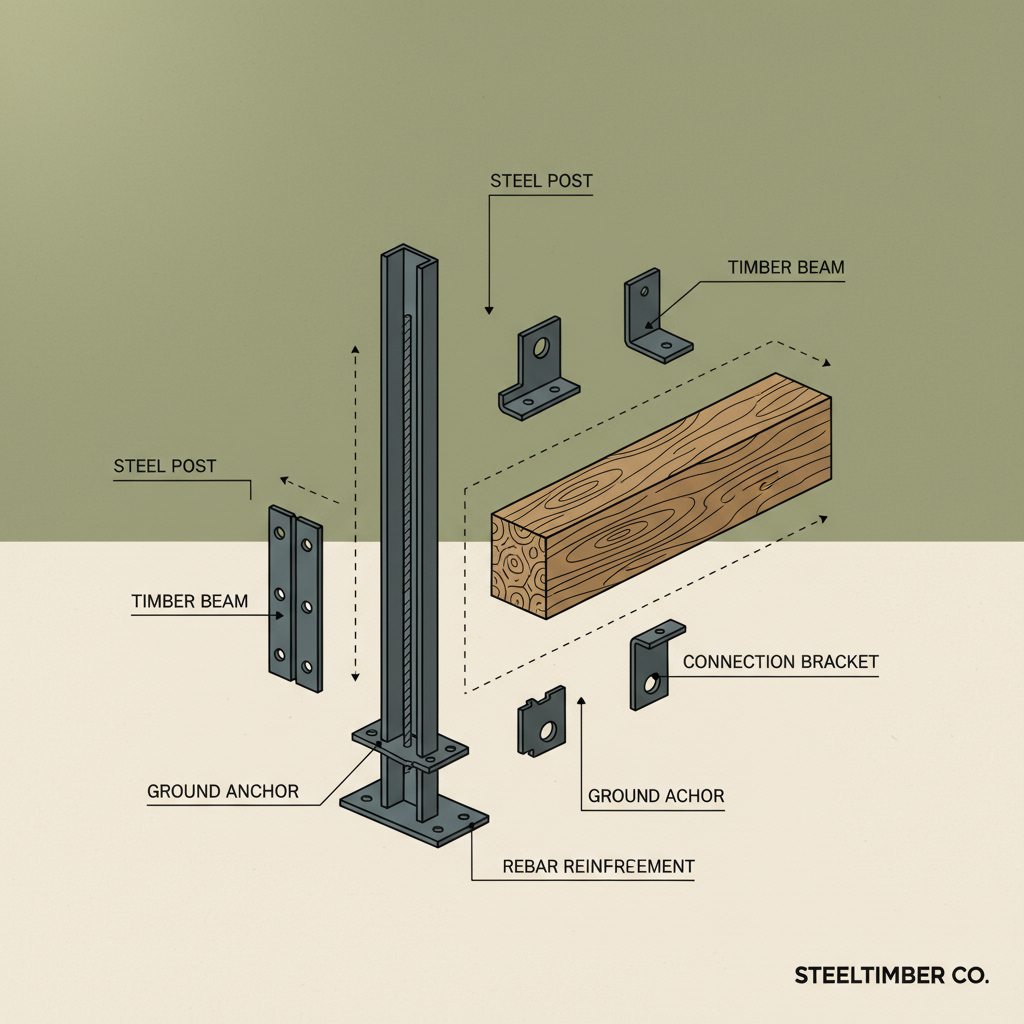
In the context of modern structural metal manufacturing, propping involves the use of adjustable steel jacks, heavy-duty shores, and reinforcement accessories. These components are designed to be precisely tuned to the millimeter, ensuring that the load is distributed evenly across the foundation or the floor below.
Beyond the technical definition, propping represents a commitment to humanitarian safety. By utilizing engineered support systems, contractors protect the lives of thousands of workers on-site, transforming a high-risk environment into a controlled, manageable workspace.
Core Components for Structural Stability
The effectiveness of propping relies heavily on the quality of its core components. Durability is the first pillar; using high-grade galvanized steel ensures that the supports do not succumb to corrosion in humid or coastal environments, maintaining their structural integrity over multiple project cycles.
Scalability and versatility are equally vital. Modern systems often incorporate telescopic designs and reinforced accessories, allowing the same equipment to be used for low-ceiling residential work or high-clearance industrial warehouses. This adaptability significantly reduces the logistical burden of transporting different equipment for every floor.
Finally, cost efficiency and precision are the driving forces. When propping systems are integrated with a standardized approach—such as using consistent keel steel and square column reinforcement—the speed of installation increases, which directly lowers the labor cost per square meter of construction.
Comparative Performance of Support Methods
Not all support methods are created equal. Depending on the project's specific requirements, engineers may choose between traditional timber shores, adjustable steel props, or modular heavy-duty shoring towers. Each method offers a different balance of load capacity and ease of assembly.
Analyzing the efficiency of these methods allows project managers to optimize their resource allocation. While traditional methods might be cheaper for very small tasks, the reliability and safety ratings of engineered steel propping are vastly superior for large-scale industrial applications.
Comparative Performance Rating of Propping Methods
Global Applications and Use Cases
In real-world contexts, propping is applied across diverse industries. In remote industrial zones, such as mining sites in Australia or oil rigs in the North Sea, heavy-duty steel propping is used to create stable platforms for heavy machinery and to support tunnel linings during excavation.
Furthermore, in post-disaster relief operations, rapid-deployment propping systems are essential for stabilizing damaged buildings before search-and-rescue teams enter. These emergency supports provide the necessary stability to prevent secondary collapses, saving countless lives in high-pressure environments.
Long-term Value and Safety Advantages
The tangible benefits of investing in high-quality propping systems extend beyond the immediate project deadline. From a financial perspective, the reuse of durable steel components significantly lowers the long-term capital expenditure for construction firms. Instead of purchasing disposable timber, companies build an asset library of steel supports.
From a safety and psychological angle, the use of certified propping systems fosters trust among the workforce. When workers know that the ceiling above them is held by precision-engineered steel rather than makeshift supports, productivity increases and the risk of workplace anxiety is minimized.
Moreover, the logical advantage lies in the predictability of the system. Engineered propping allows for precise calculations of load-bearing limits, which reduces the reliance on "guesswork" and ensures that the project adheres to the strictest international safety regulations.
Future Trends in Propping Innovation
The future of propping is inextricably linked to the digital transformation of the construction site. We are seeing the rise of "Smart Props"—supports equipped with IoT sensors that can monitor load levels in real-time and alert engineers via mobile apps if a support is nearing its maximum capacity.
Sustainability is also driving innovation. The industry is moving toward "Green Steel" and recycled aluminum alloys that maintain high strength-to-weight ratios while reducing the carbon footprint of manufacturing. This alignment with global ESG (Environmental, Social, and Governance) goals makes sustainable propping a competitive advantage.
Automation is the final frontier. We anticipate the integration of robotic assembly for complex shoring systems, where AI-driven machinery can place and tension props based on a BIM (Building Information Modeling) map, virtually eliminating human error during installation.
Comprehensive Analysis of Propping System Performance Metrics
| Support Type |
Load Capacity (Tons) |
Installation Speed |
Reusability Score (1-10) |
| Adjustable Steel Prop |
2.5 - 5.0 |
Very High |
9 |
| Heavy Duty Shore |
10.0 - 30.0 |
Medium |
8 |
| Timber Propping |
0.5 - 2.0 |
Medium |
2 |
| Modular Tower |
50.0 - 200.0 |
Low |
10 |
| Hydraulic Propping |
15.0 - 40.0 |
High |
7 |
| Composite Props |
3.0 - 6.0 |
High |
6 |
FAQS
While often used interchangeably, propping generally refers to the temporary vertical support provided during the construction of a new element (like a concrete slab). Shoring is typically a broader term that includes supporting an existing structure to prevent collapse during repair or modification. Both rely on the same core principles of load distribution and stability.
The number of props is determined by dividing the total load (dead load of concrete + live load of workers/equipment) by the safe working load (SWL) of a single prop. However, this must be adjusted for the spacing of the keel steel and the bearing capacity of the floor below to avoid punching shear.
Yes, significantly. Steel props are manufactured to strict industrial tolerances, offering predictable load-bearing capacities. Timber varies in quality and can have hidden defects (knots, cracks) that lead to sudden failure. Steel also allows for precision adjustment, ensuring a tighter and more secure fit.
Accessories like U-heads, base plates, and bracing tubes ensure that the prop remains perfectly vertical and that the load is transferred efficiently from the formwork to the prop. Without these, props are susceptible to "buckling" or slipping, which can compromise the entire support system.
Inspection should occur daily before work begins and immediately after any significant event, such as a concrete pour or high-wind weather. Inspectors look for signs of leaning, base plate slippage, or deformation in the steel tubing to ensure continuous safety.
Generally, no. Propping is designed for temporary loads. While some heavy-duty systems are robust, they lack the long-term corrosion protection and structural certifications required for permanent building elements. Always refer to the manufacturer's guidelines and local building codes.
Conclusion
In summary, propping is far more than a simple construction convenience; it is a critical engineering discipline that ensures the safety of workers and the integrity of global infrastructure. By integrating high-grade materials, precision accessories, and scalable designs, the industry can effectively manage immense loads while optimizing costs and timelines.
Looking forward, the shift toward smart, sensor-driven supports and sustainable materials will redefine the standards of structural safety. For developers and contractors, investing in professional-grade propping systems is not just a regulatory requirement, but a strategic move toward operational excellence and risk mitigation. Visit our website for more professional solutions: www.constrframe.com