
Comprehensive Guide to Panel Wall Formwork for Modern Construction Projects
Understanding Panel Wall Formwork for Efficient Construction
In the fast-paced world of construction, efficiency and cost-effectiveness are paramount. Panel wall formwork has emerged as a revolutionary solution, streamlining the process of building concrete walls. This article will provide a comprehensive overview of panel wall formwork, including its benefits, applications, types, and considerations for successful implementation. We’ll explore why it's becoming the preferred choice for modern construction projects.
What is Panel Wall Formwork?
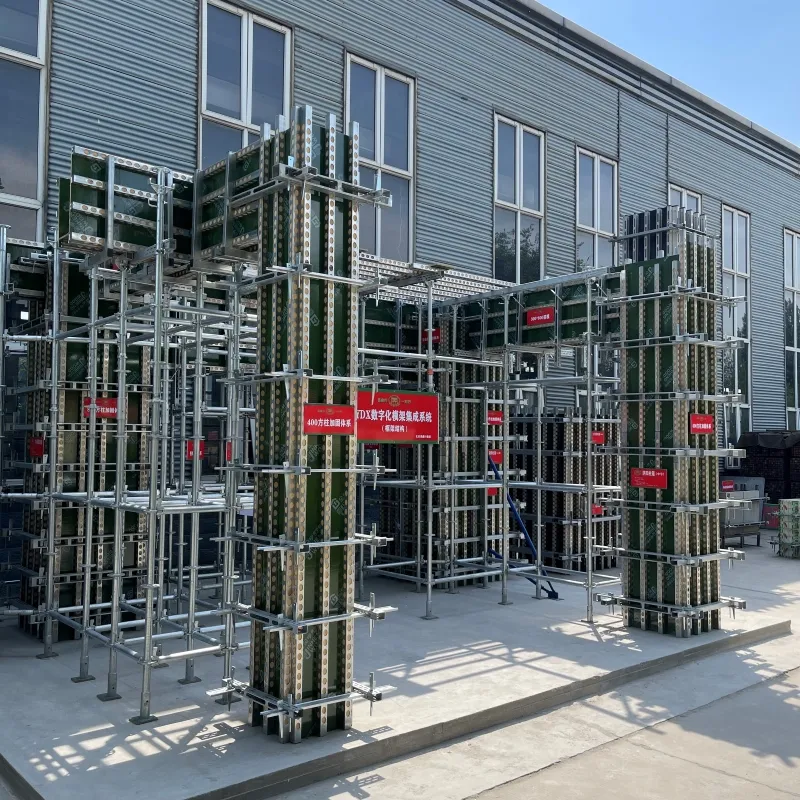
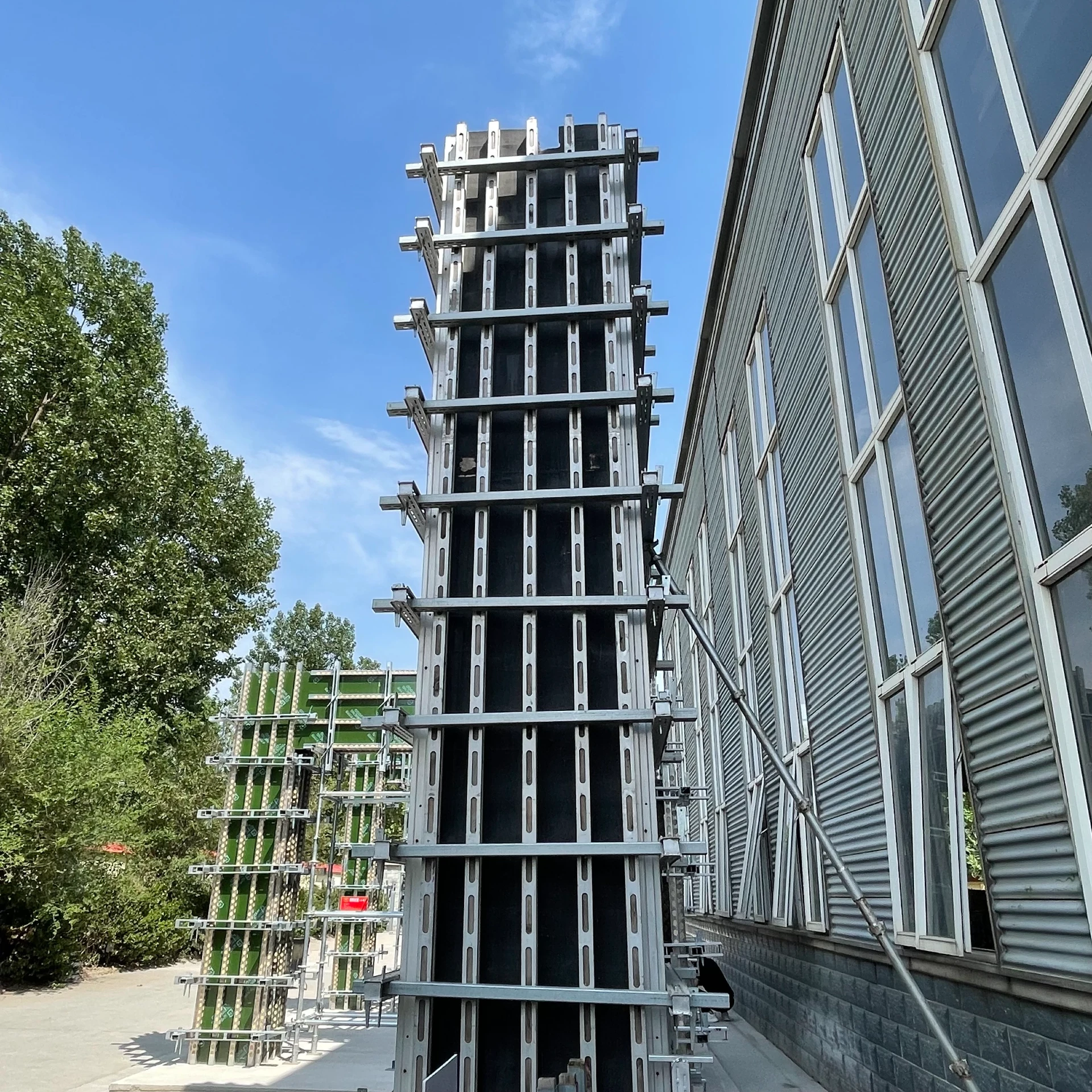
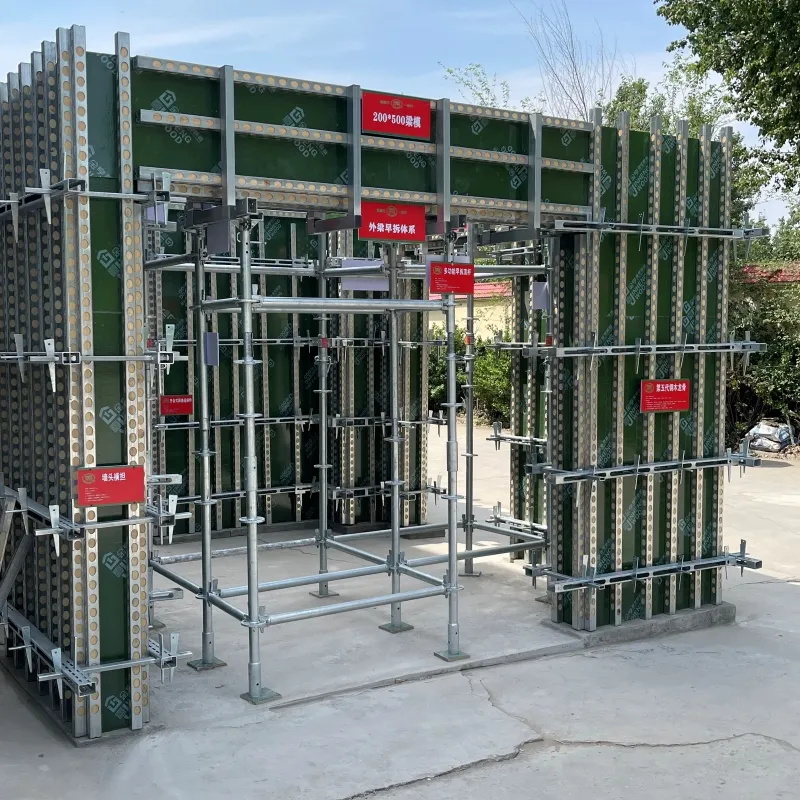
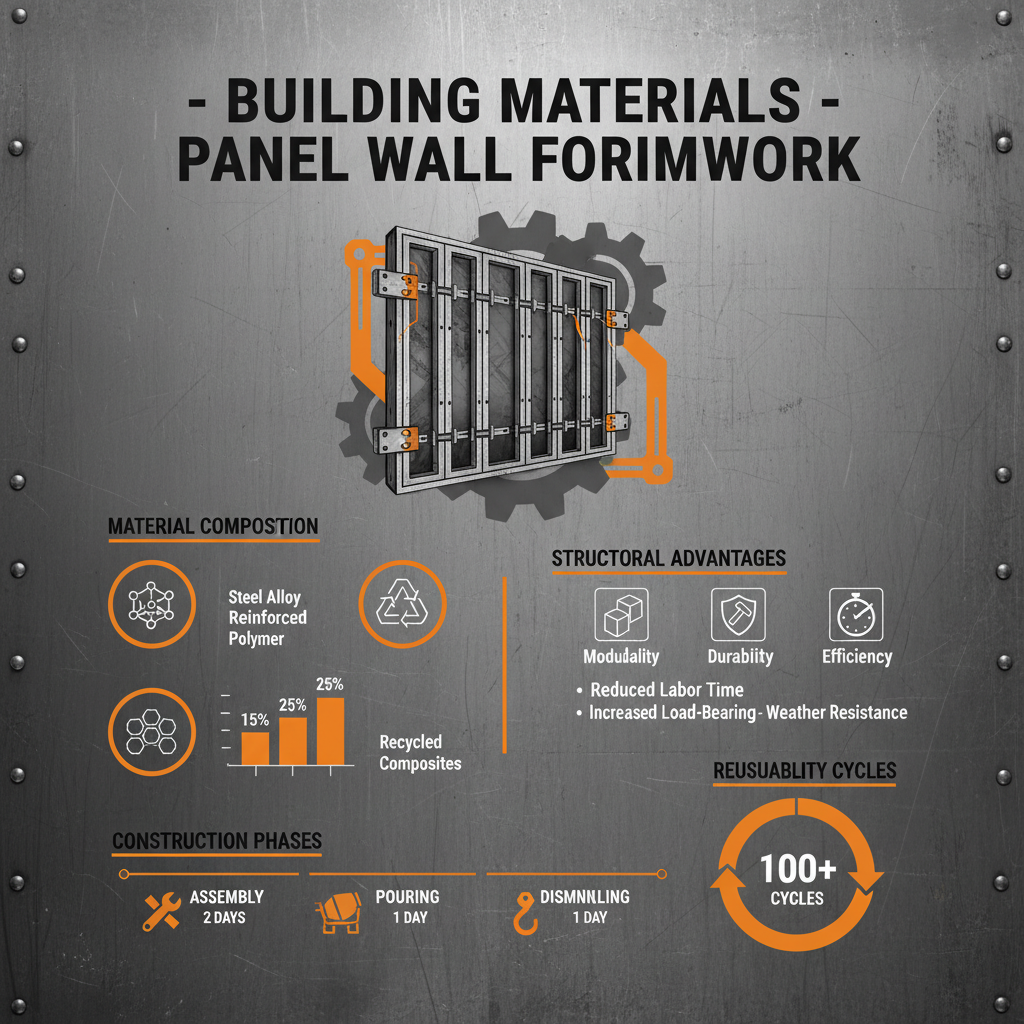
Panel wall formwork is a modular system comprised of prefabricated panels, typically made from steel or aluminum, used to create the shape of concrete walls. These panels are assembled on-site to form a mold into which concrete is poured. Once the concrete has cured, the panels are removed, leaving behind a smooth, accurately formed wall. Unlike traditional timber formwork, panel systems offer significant advantages in terms of speed, accuracy, and reusability. It represents a significant improvement over manual methods and is becoming the industry standard.
Key Benefit: Increased construction speed and reduced labor costs due to faster assembly and disassembly.
The Advantages of Using Panel Wall Formwork
The benefits of adopting panel wall formwork are numerous. First, its speed of assembly significantly reduces project timelines. Secondly, the precision of the panels leads to higher-quality concrete walls with fewer defects. Reusability translates to long-term cost savings, making it a sustainable choice. Safety is also improved, as the modular system minimizes the need for on-site cutting and fabrication. Furthermore, the lightweight nature of many panel systems simplifies handling and reduces the risk of injuries. Constrframe's panel formwork systems are designed to deliver these advantages on every project.
Types of Panel Wall Formwork Systems
Several types of panel wall formwork are available, each suited to different project requirements. These include:
- Steel Panel Formwork: Known for its strength and durability, ideal for high-rise structures and projects requiring repeated use.
- Aluminum Panel Formwork: Lightweight and easy to handle, making it suitable for projects with limited access or manual handling requirements.
- Plastic Panel Formwork: Cost effective, lightweight and resistant to corrosion, suitable for small to medium sized projects.
- Modular Panel Formwork: Offers versatility and adaptability, allowing for the creation of complex wall shapes and sizes.
Choosing the Right System:
• Project scale and complexity
• Concrete pouring pressure
• Budgetary constraints
• Site access and handling capabilities
Panel Wall Formwork vs. Traditional Timber Formwork
Compared to traditional timber formwork, panel systems offer a compelling set of advantages. Timber formwork requires extensive on-site cutting and fabrication, which is time-consuming and labor-intensive. It's also susceptible to moisture damage and warping, leading to inaccuracies and defects. Panel wall formwork, on the other hand, is prefabricated to precise dimensions, minimizing waste and ensuring consistent quality. The durability and reusability of panel systems also translate to significant cost savings over the lifespan of a project.
Applications of Panel Wall Formwork
Panel wall formwork is suitable for a wide range of construction applications, including:
- Residential Buildings
- Commercial Structures
- High-Rise Buildings
- Basement Walls
- Retaining Walls
- Bridge Piers
Considerations for Successful Implementation
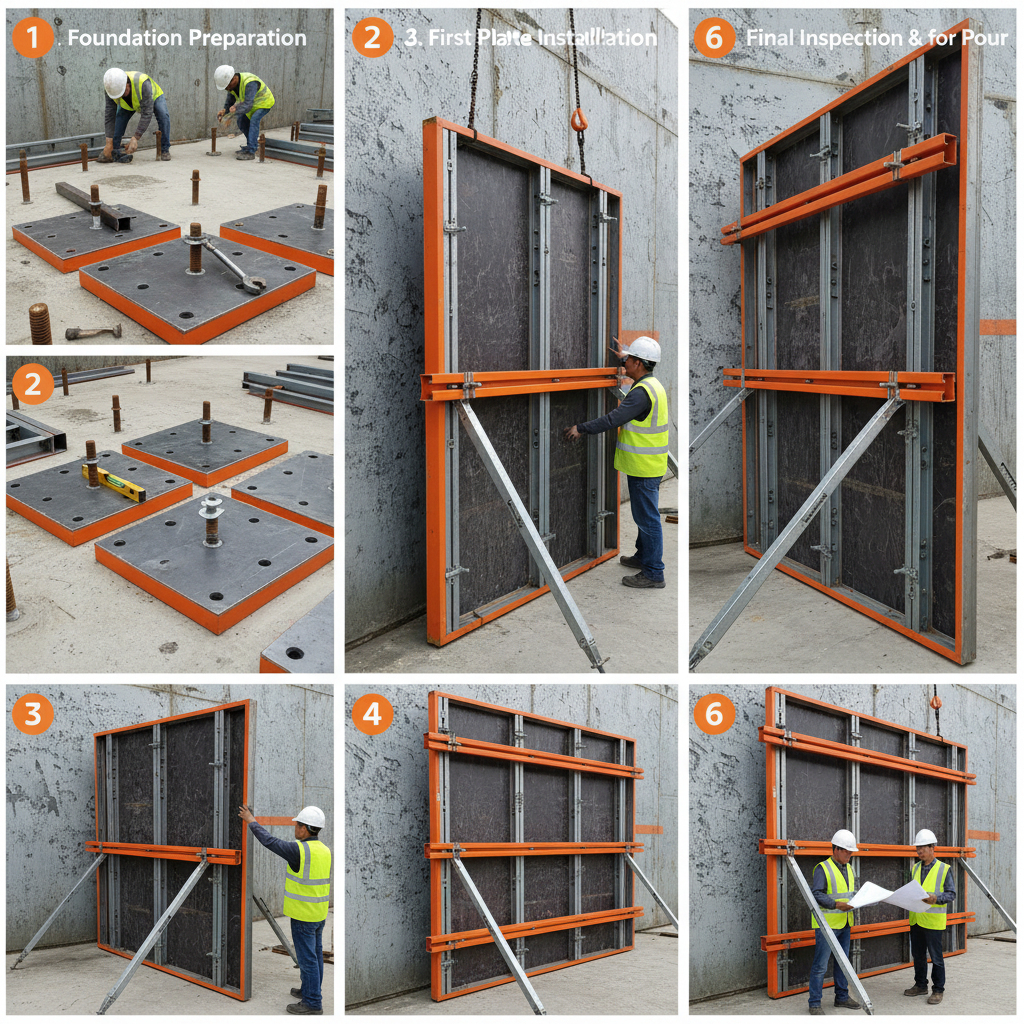
Successful implementation of panel wall formwork requires careful planning and attention to detail. Ensure the ground is level and stable before assembling the panels. Proper bracing and anchoring are crucial to withstand the pressure of the concrete. Thoroughly inspect the panels for any damage before each use. Follow the manufacturer's instructions for assembly, disassembly, and maintenance. Investing in proper training for your construction team is also essential. Constrframe provides comprehensive support, including training and technical assistance, to ensure a smooth and efficient formwork process.
Conclusion: Enhancing Construction Efficiency with Panel Wall Formwork
Panel wall formwork is a game-changer in the construction industry, offering significant advantages in terms of speed, accuracy, cost-effectiveness, and safety. By embracing this innovative technology, construction companies can streamline their operations, improve project quality, and deliver projects on time and within budget. Constrframe is your trusted partner for high-quality panel wall formwork solutions.
Frequently Asked Questions (FAQs)
What is the typical lifespan of panel wall formwork?
The lifespan of panel wall formwork, particularly steel or aluminum systems, can be very long – often exceeding 100 uses with proper care. Regular maintenance, including cleaning and rust prevention, is essential. The lifespan is affected by factors such as the frequency of use, the aggressiveness of the concrete mix, and the quality of storage. Damage from improper handling or overloading will obviously reduce the lifespan. Investing in high-quality panels from a reputable manufacturer like Constrframe ensures durability and longevity.
What safety precautions should be taken when using panel wall formwork?
Safety is paramount. Always ensure proper bracing and anchoring to prevent collapse under concrete pressure. Workers should wear appropriate personal protective equipment (PPE), including hard hats, safety glasses, and gloves. Proper training on assembly, disassembly, and handling procedures is crucial. Regularly inspect panels for damage before use. Never exceed the maximum allowable concrete pressure specified by the manufacturer. Maintain a safe working distance from the formwork during concrete pouring and stripping.
How does panel wall formwork reduce construction waste?
Panel wall formwork significantly reduces waste compared to traditional timber formwork. Because the panels are prefabricated to precise dimensions, there's minimal on-site cutting and fabrication, leading to less material waste. The reusability of the panels also reduces the need for new materials on each project. Furthermore, the precision of the panels minimizes concrete defects, reducing the need for costly repairs or demolition. This contributes to a more sustainable and environmentally friendly construction process.
What are the key factors to consider when choosing a panel wall formwork supplier?
When selecting a supplier, consider factors such as product quality, durability, availability of different panel sizes and configurations, after-sales support, and training programs. Look for a supplier with a proven track record of reliability and customer satisfaction. Ensure they offer comprehensive technical support and can provide guidance on system selection, assembly, and maintenance. Constrframe stands out for its commitment to quality, innovation, and customer service.
-
Efficient Modern Shuttering System Concrete Walls for ConstructionNewsApr.16,2026
-
High Efficiency Shear Wall Shuttering Systems for ConstructionNewsApr.09,2026
-
Comprehensive Guide to Shear Wall Formwork Systems and Construction TechniquesNewsApr.07,2026
-
Choosing the Optimal Retaining Wall Shuttering System for Construction ProjectsNewsApr.04,2026
-
Optimizing Construction with a Reused Formwork Wall System for EfficiencyNewsMar.31,2026
-
Optimizing Construction Projects with Advanced Modular Column Formwork SystemsNewsMar.26,2026
-
Comprehensive Guide to Formwork for Shear Wall Construction and Best PracticesNewsMar.24,2026