
Comprehensive Guide to Formwork for Shear Wall Construction and Best Practices
Formwork for Shear Wall: A Comprehensive Guide
Shear walls are critical components in modern construction, providing structural integrity against lateral forces like wind and seismic activity. Effective construction of shear walls relies heavily on the quality and design of the formwork for shear wall used. This article provides an in-depth exploration of shear wall formwork, covering types, materials, considerations, and best practices. Understanding these aspects is crucial for builders, engineers, and project managers aiming for safe, efficient, and durable construction. Choosing the right formwork directly impacts the final quality and structural performance of your project.
Understanding Shear Walls and Their Formwork Requirements
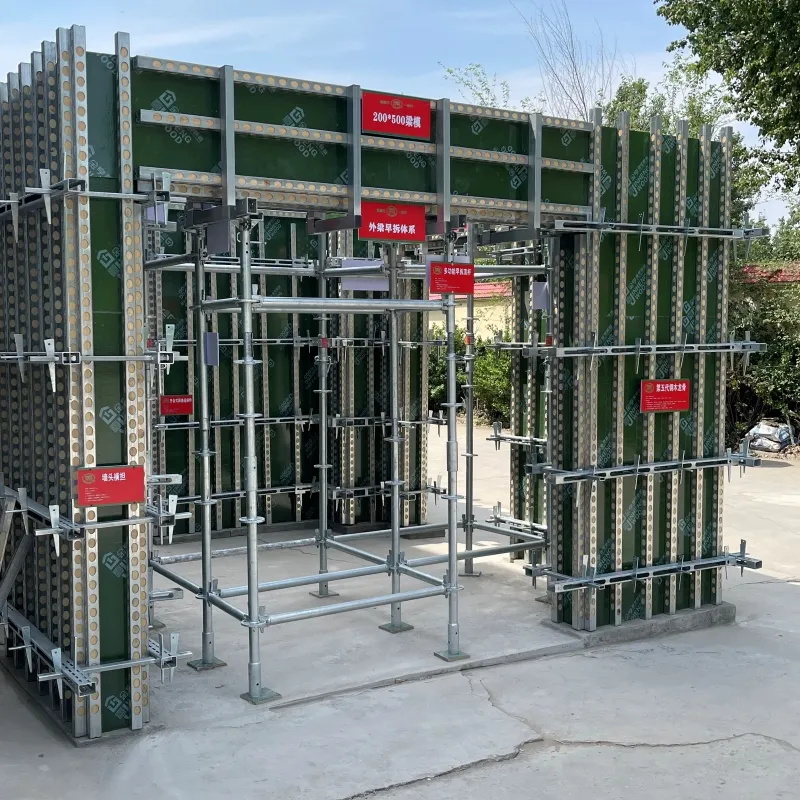
Shear walls resist lateral loads, preventing racking and collapse of a structure. They are typically constructed from reinforced concrete, and the accuracy of the concrete pour directly affects the wall's ability to perform. Therefore, formwork for shear wall must be robust, precisely aligned, and capable of withstanding the pressure of wet concrete. Key requirements include dimensional accuracy, resistance to deflection, and ease of assembly and dismantling. Poorly designed or constructed formwork can lead to concrete defects, structural weaknesses, and project delays. The complexity of shear wall geometry, especially in architectural designs, further emphasizes the importance of a well-planned formwork system.
Key Considerations: High dimensional accuracy, resistance to deflection, easy assembly/dismantling, and ability to withstand concrete pressure are crucial for effective shear wall formwork.
Types of Formwork for Shear Wall Construction
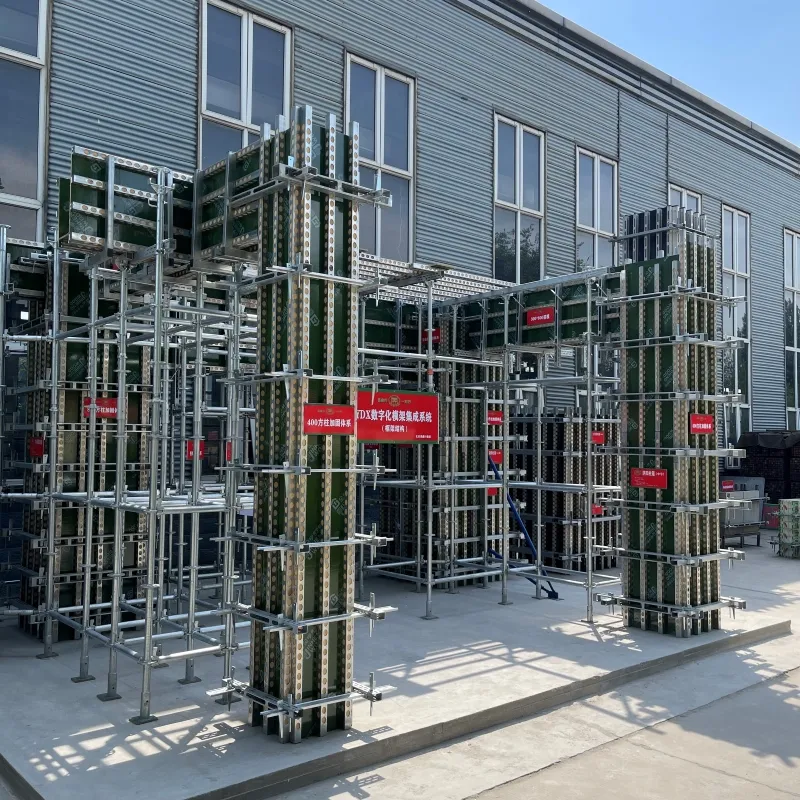
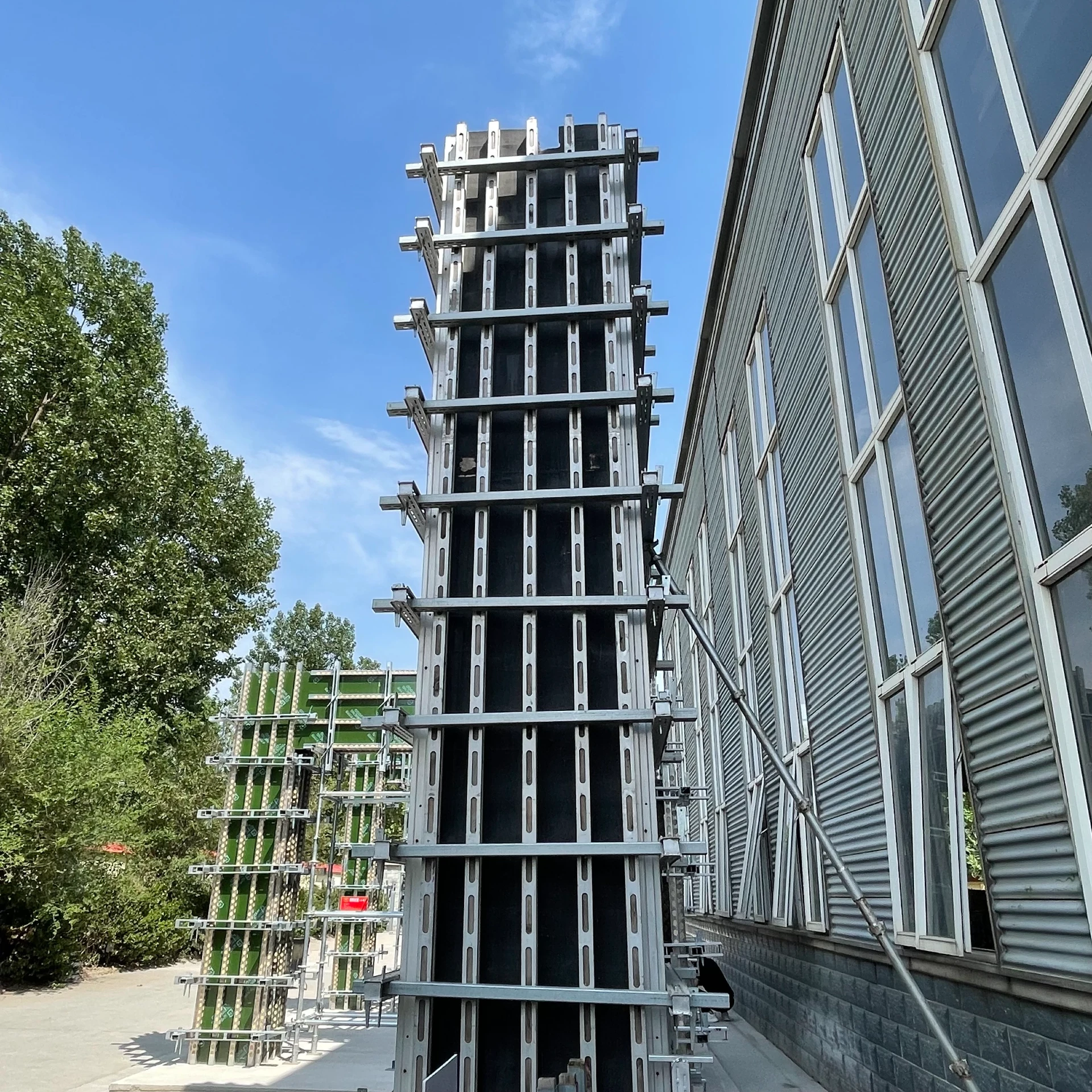
Several types of formwork are commonly used for shear wall construction, each with its own advantages and disadvantages. These include traditional timber formwork, steel formwork, aluminum formwork, and plastic formwork. Timber formwork is relatively inexpensive but requires significant labor and is not as durable. Steel formwork provides high strength and dimensional accuracy but is heavier and more costly. Aluminum formwork is lightweight and reusable but may not be suitable for complex geometries. Plastic formwork offers good chemical resistance and ease of cleaning but can be less robust than steel or aluminum. The choice depends on project specifics, budget constraints, and the required level of precision.
Formwork Type Comparison:
• Timber: Low cost, high labor, limited durability
• Steel: High strength, accurate, heavy, expensive
• Aluminum: Lightweight, reusable, limited complexity
• Plastic: Chemical resistant, easy to clean, less robust
Formwork Materials: Properties and Selection
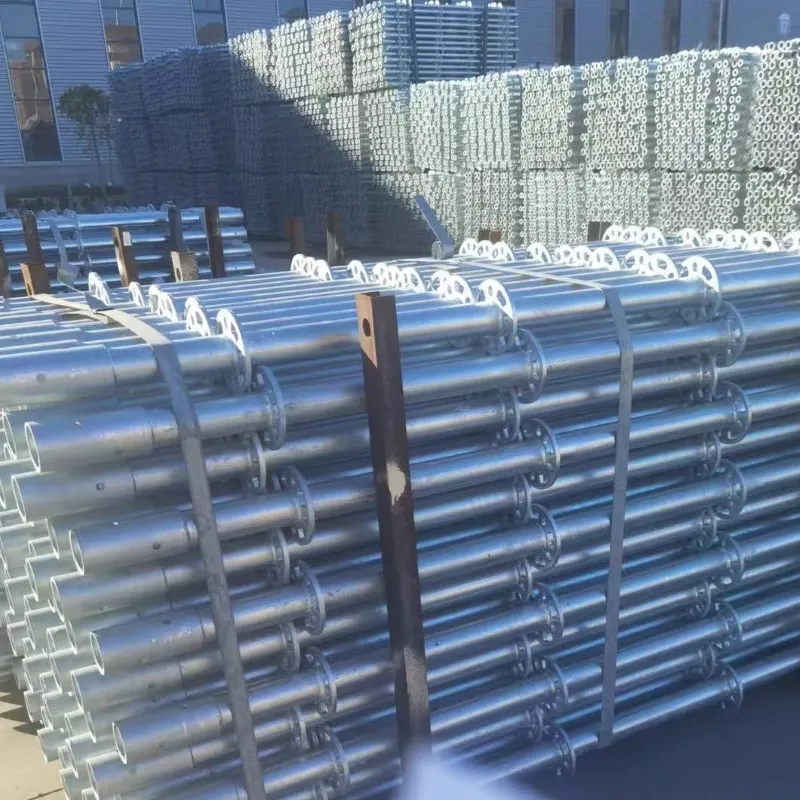
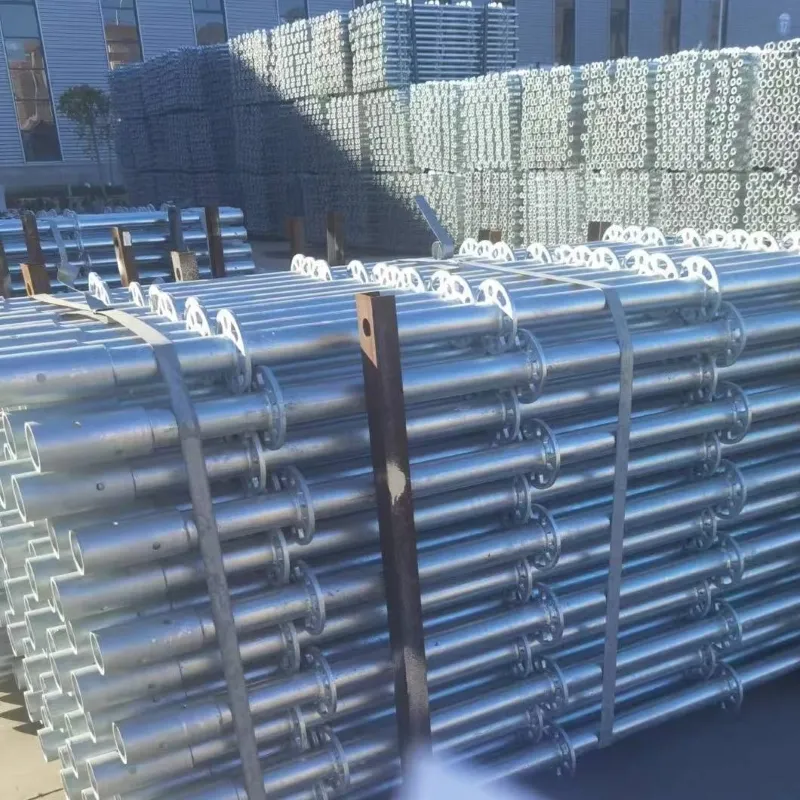
The materials used in formwork for shear wall construction significantly impact its performance and cost. Plywood, often coated for water resistance, is a common facing material. Steel frames provide structural support, while props and bracing ensure stability during the concrete pour. Release agents are essential for preventing concrete adhesion and facilitating easy dismantling. The selection of materials must consider factors such as load-bearing capacity, resistance to moisture and temperature fluctuations, and compatibility with the concrete mix. Using high-quality materials ensures a smooth and efficient construction process, minimizing the risk of defects and rework.
Comparing Traditional Timber Formwork vs. Modern Steel Formwork
The shift from traditional timber formwork to modern steel formwork represents a significant advancement in construction technology. While timber remains viable for smaller projects, steel offers numerous advantages in terms of durability, accuracy, and efficiency. The following table highlights a detailed comparison between the two:
Best Practices for Formwork Installation and Removal
Proper installation and removal of formwork for shear wall are critical for ensuring safety and achieving the desired concrete finish. Ensure the formwork is adequately braced and supported to withstand the pressure of the concrete. Apply release agents to prevent adhesion and facilitate easy removal. Avoid premature removal of formwork, as this can compromise the concrete's strength. Carefully inspect the concrete surface after removal to identify any defects. Following these best practices minimizes the risk of structural issues and ensures a high-quality final product.
Conclusion: Optimizing Shear Wall Construction with Proper Formwork
Selecting and implementing the right formwork for shear wall is paramount to structural integrity and project success. By understanding the various types, materials, and best practices, builders can ensure a safe, efficient, and durable construction process. Investing in quality formwork systems like those offered by ConstrFrame translates to long-term cost savings and enhanced project outcomes. Don't compromise on the foundation of your structure - choose wisely.
Frequently Asked Questions (FAQs)
What is the typical turnaround time for assembling and disassembling steel formwork?
Steel formwork generally offers a significantly faster turnaround time compared to traditional timber formwork. Assembly can often be completed within a day, depending on the complexity of the shear wall. Dismantling is equally efficient, typically taking only a few hours. This rapid turnaround minimizes project delays and allows for faster construction cycles. The modular design and standardized components of steel formwork contribute to this efficiency. Factors influencing the exact time include the size of the crew, the accessibility of the work area, and the familiarity of the team with the formwork system.
How do you ensure proper alignment of the formwork panels?
Precise alignment is critical for shear wall accuracy. Utilize leveling instruments such as laser levels or spirit levels to establish a consistent plane. Employ bracing and tie rods to maintain the formwork's position during the concrete pour. Regularly check for plumbness and alignment throughout the process. Properly designed formwork systems often incorporate interlocking mechanisms and adjustable supports to facilitate precise alignment. Experienced formwork crews are crucial for ensuring a consistently level and plumb surface.
What are the safety precautions to consider when working with shear wall formwork?
Safety is paramount when working with formwork. Always wear appropriate personal protective equipment (PPE), including hard hats, safety glasses, and work boots. Ensure the formwork is adequately supported and braced before commencing the concrete pour. Clearly mark exclusion zones to prevent unauthorized access. Implement a thorough inspection process to identify any potential hazards. Train personnel on proper formwork handling procedures. Regularly inspect tie rods and bracing for any signs of stress or damage.
What is the role of release agents in formwork applications?
Release agents are crucial for preventing concrete adhesion to the formwork surface, enabling clean and easy removal without damaging the concrete or the formwork. They create a barrier between the concrete and the formwork material, reducing friction and facilitating separation. Choosing the right release agent depends on the formwork material and the type of concrete used. Proper application, following the manufacturer's instructions, is essential for optimal performance. Using a high-quality release agent extends the lifespan of the formwork and ensures a smooth concrete finish.
-
Efficient Modern Shuttering System Concrete Walls for ConstructionNewsApr.16,2026
-
High Efficiency Shear Wall Shuttering Systems for ConstructionNewsApr.09,2026
-
Comprehensive Guide to Shear Wall Formwork Systems and Construction TechniquesNewsApr.07,2026
-
Choosing the Optimal Retaining Wall Shuttering System for Construction ProjectsNewsApr.04,2026
-
Optimizing Construction with a Reused Formwork Wall System for EfficiencyNewsMar.31,2026
-
Comprehensive Guide to Panel Wall Formwork for Modern Construction ProjectsNewsMar.28,2026
-
Optimizing Construction Projects with Advanced Modular Column Formwork SystemsNewsMar.26,2026