
High Efficiency Shear Wall Shuttering Systems for Construction
The Ultimate Guide to High-Efficiency Shear Wall Shuttering Systems
In modern high-rise construction, the structural integrity of a building relies heavily on the precision of its core. Utilizing professional shear wall shuttering is essential for achieving the required strength, stability, and surface finish of reinforced concrete walls. Whether you are managing a commercial skyscraper or an industrial complex, selecting the right formwork system can drastically reduce labor costs and accelerate the project timeline. This guide explores the technical nuances, material choices, and best practices for deploying shuttering systems that ensure safety and architectural precision.
Understanding the Mechanics of Shear Wall Shuttering
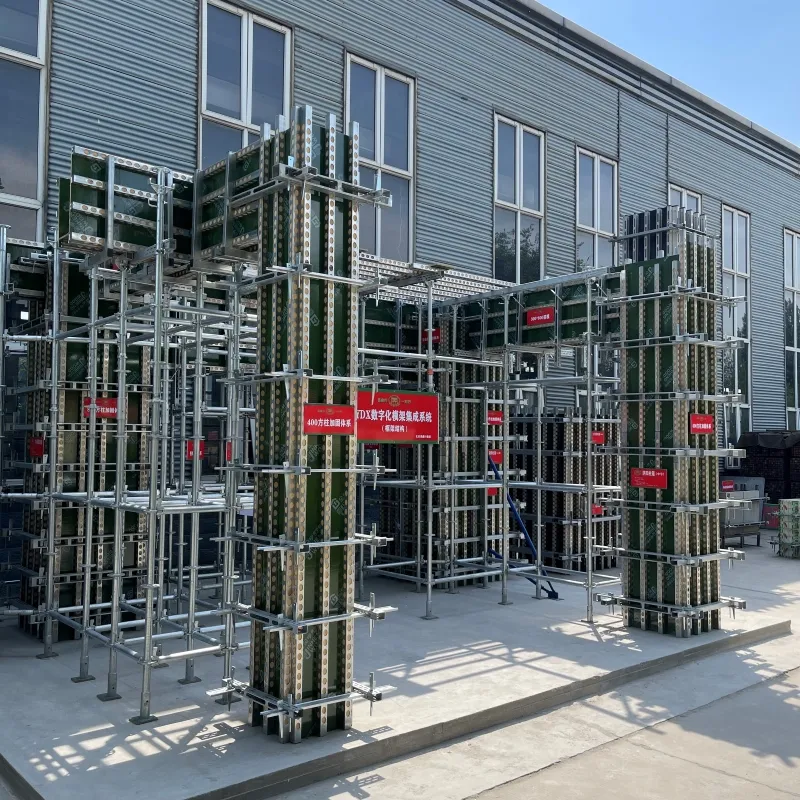
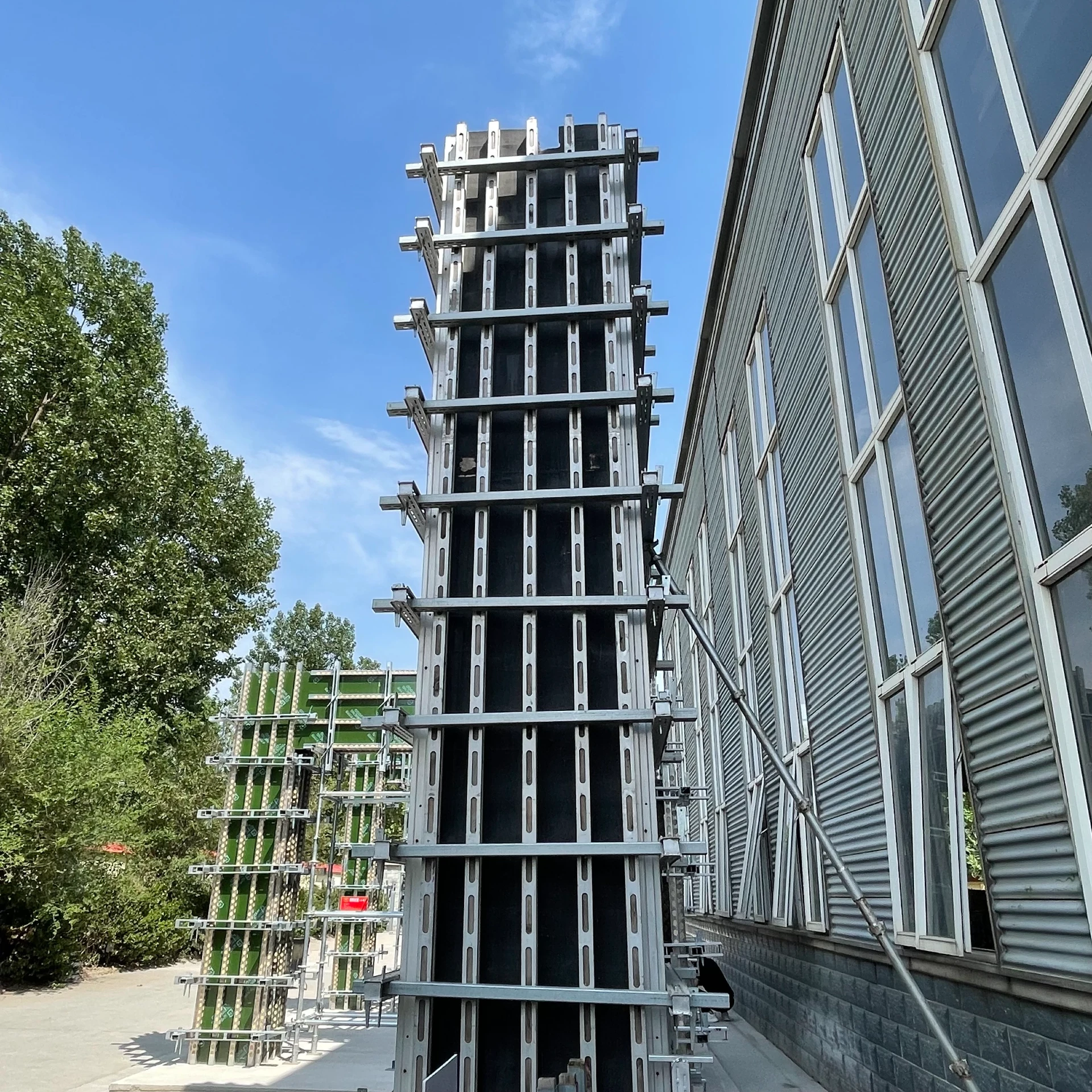
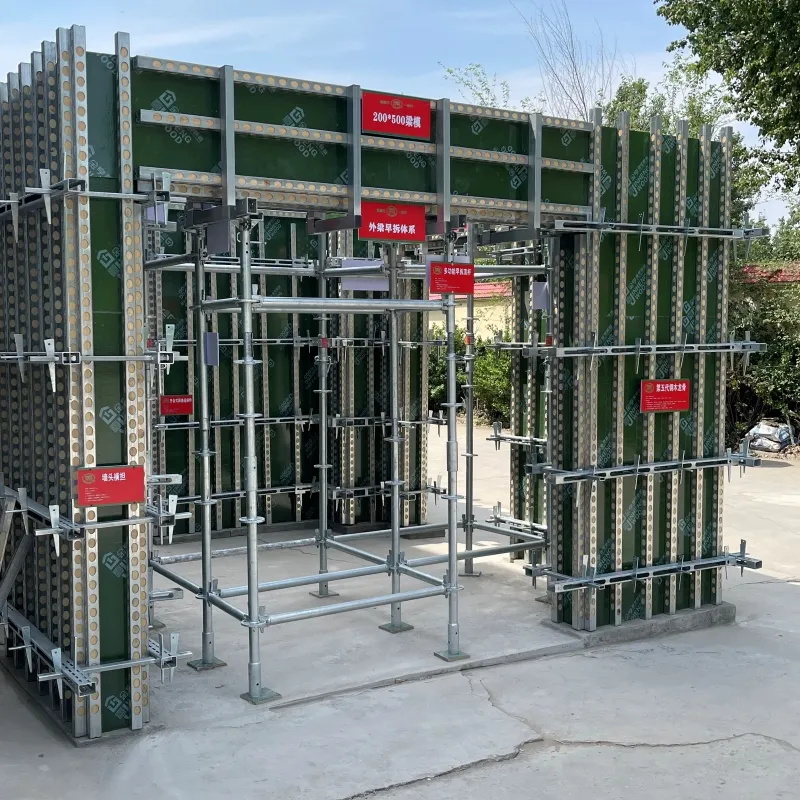
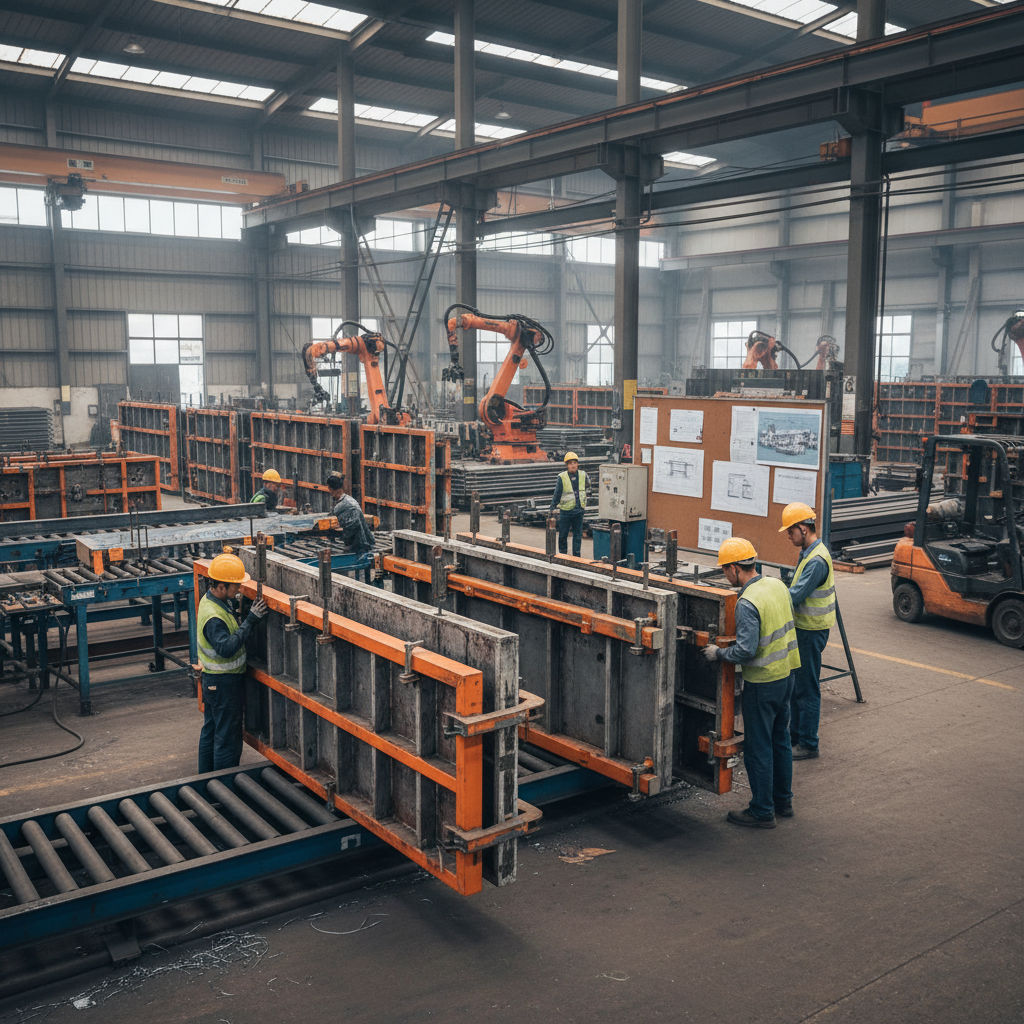
Shear wall shuttering acts as a temporary mold that holds wet concrete in place until it reaches sufficient strength to support its own weight. Unlike standard column formwork, shear wall systems must withstand immense lateral pressure from the concrete pour. To prevent bulging or failure, these systems employ high-tensile steel walers and tie rods. The goal is to create a seamless, vertical surface that distributes lateral loads—such as wind and seismic forces—efficiently across the building's foundation. Using a premium shear wall shuttering setup ensures that the concrete is cured without voids or honeycombing, which are critical for structural safety.
Pro Tip: Always ensure the vertical alignment (plumbness) is checked using laser levels before pouring, as corrections to a cured shear wall are prohibitively expensive.
Comparing Materials for Shear Wall Shuttering
Choosing between steel, aluminum, and timber depends on the project's scale and budget. Steel offers the highest durability and reuse cycle, making it the gold standard for repetitive layouts in high-rises. Aluminum is prized for its lightweight nature, allowing for faster manual handling without heavy cranes. Timber, while flexible for custom shapes, lacks the longevity and surface quality of engineered systems. When investing in shear wall shuttering, the "cost per use" is a more critical metric than the initial purchase price.
Installation Process of a Shear Wall Shuttering System
Successful installation requires a methodical approach to ensure the wall remains plumb and the concrete is evenly distributed. First, the base layout is marked according to architectural drawings. Then, the first set of panels is erected and braced. Tie rods are inserted through the panels to lock the two faces together, preventing "blowouts" during the pour. The use of a specialized shear wall shuttering system often includes a quick-lock mechanism that speeds up this process. After the concrete is poured and vibrated to remove air pockets, the formwork is stripped once the concrete reaches the required stripping strength.
Technical Specifications for Shear Wall Shuttering
When selecting a system, engineers look at several technical parameters. The pressure rating of the panels determines the maximum pour rate (the speed at which concrete is added). A higher rating allows for faster construction. Furthermore, the precision of the joints determines the amount of "finishing" work required after stripping. Modern shear wall shuttering solutions are designed to be modular, fitting a variety of wall thicknesses and heights.
Common Challenges and Maintenance in Shuttering
One of the most common issues in shear wall construction is "leaking" at the joints, which leads to honeycombing. This is often caused by worn-out gaskets or improper clamping. To prevent this, regular maintenance of the shear wall shuttering is required. Cleaning panels after every use and applying a high-quality release agent ensures that the forms strip easily without damaging the concrete surface. Additionally, checking for warpage in panels after a high-pressure pour is critical to maintain the geometric accuracy of the building's core.
Maintenance Checklist:
• Clean all concrete residue using non-abrasive tools
• Inspect tie-rod holes for deformations
• Apply oil-based release agents evenly
• Verify the rigidity of the supporting walers
Conclusion: Optimizing Construction with Superior Formwork
Choosing the right shear wall shuttering system is not just about selecting a product; it is about optimizing the entire construction cycle. By balancing material durability, installation speed, and technical precision, project managers can ensure that their structures are both safe and cost-effective. From high-tensile steel panels to lightweight aluminum modulars, the right choice minimizes waste and maximizes architectural quality. Invest in professional-grade shuttering to build a foundation that lasts for generations.
Frequently Asked Questions (FAQs)
What is the main advantage of using steel over timber for shear wall shuttering?
The primary advantage of steel is its extreme durability and repeatability. Steel panels can be reused hundreds of times without losing their shape or surface quality, whereas timber degrades quickly. Additionally, steel provides a "fair-faced" concrete finish, which means the wall is smooth enough to be painted or tiled immediately after stripping, eliminating the need for expensive plastering. For large-scale projects, the long-term cost saving of steel far outweighs its higher initial price point.
How do you prevent "blowouts" during the concrete pour?
Blowouts occur when the lateral pressure of the wet concrete exceeds the strength of the formwork. To prevent this, engineers calculate the precise spacing of tie rods and walers based on the pour rate. Using high-strength tie rods and ensuring they are properly anchored is critical. It is also essential to pour concrete in layers (lifts) rather than filling the entire height at once, which distributes the pressure more evenly. Regular inspection of the shear wall shuttering alignment during the pour can provide early warning signs of failure.
Can aluminum shuttering be used for very high-pressure walls?
Yes, but it requires a more dense network of supports and ties compared to steel. Aluminum is highly capable of supporting shear walls, but because it is less rigid than steel, the engineering focus shifts toward the bracing system. Modern aluminum systems are often reinforced with internal ribs to increase their load-bearing capacity. They are ideal for projects where speed of assembly and manual handling are prioritized over the maximum possible pour speed.
How does a release agent affect the quality of the shear wall?
A release agent is a chemical coating applied to the shuttering surface to prevent the concrete from bonding to the mold. When applied correctly, it ensures a clean separation, preventing surface tearing or "spalling" during stripping. If the agent is applied too heavily, it can cause "bugholes" (small air pockets) on the surface. If not applied at all, the formwork may stick, damaging both the concrete and the panels. For the best results, a thin, uniform coat of professional-grade release agent is recommended for all shear wall shuttering applications.
-
Efficient Modern Shuttering System Concrete Walls for ConstructionNewsApr.16,2026
-
Comprehensive Guide to Shear Wall Formwork Systems and Construction TechniquesNewsApr.07,2026
-
Choosing the Optimal Retaining Wall Shuttering System for Construction ProjectsNewsApr.04,2026
-
Optimizing Construction with a Reused Formwork Wall System for EfficiencyNewsMar.31,2026
-
Comprehensive Guide to Panel Wall Formwork for Modern Construction ProjectsNewsMar.28,2026
-
Optimizing Construction Projects with Advanced Modular Column Formwork SystemsNewsMar.26,2026
-
Comprehensive Guide to Formwork for Shear Wall Construction and Best PracticesNewsMar.24,2026