
Efficient Modern Shuttering System Concrete Walls for Construction
Mastering Efficiency with a Modern Shuttering System Concrete Walls
In the fast-paced world of modern construction, the precision and speed of formwork can make or break a project's timeline. Utilizing a high-quality shuttering system concrete walls is no longer just an option but a necessity for achieving structural integrity and a flawless surface finish. Whether you are dealing with residential foundations or massive industrial barriers, the right shuttering approach ensures that concrete is contained perfectly during its critical curing phase. This guide explores the technical advantages, material choices, and strategic implementation of advanced shuttering systems to help project managers and engineers optimize their workflow.
The Core Mechanics of Shuttering Systems
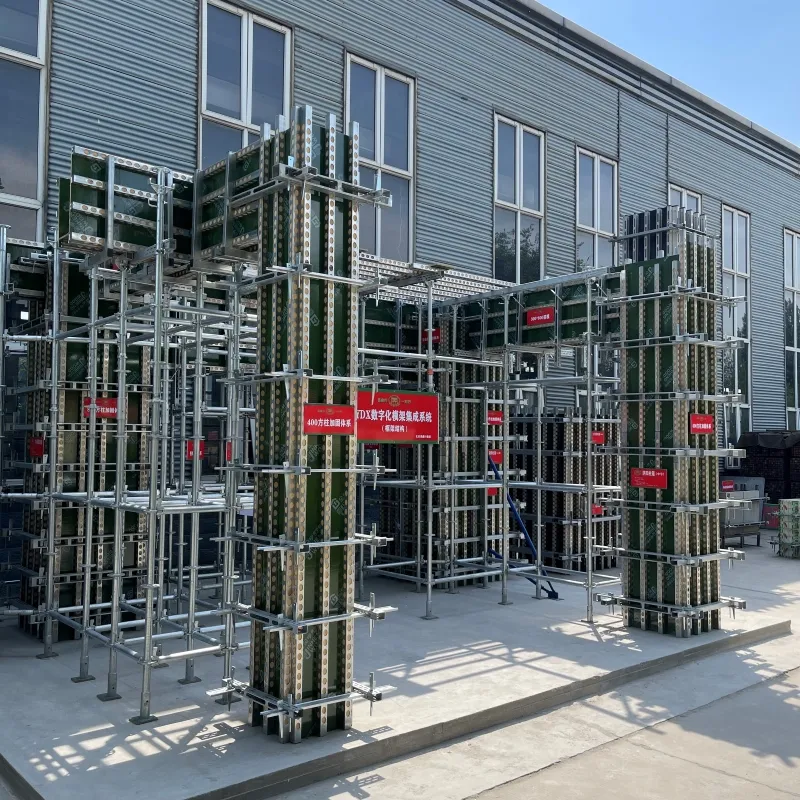
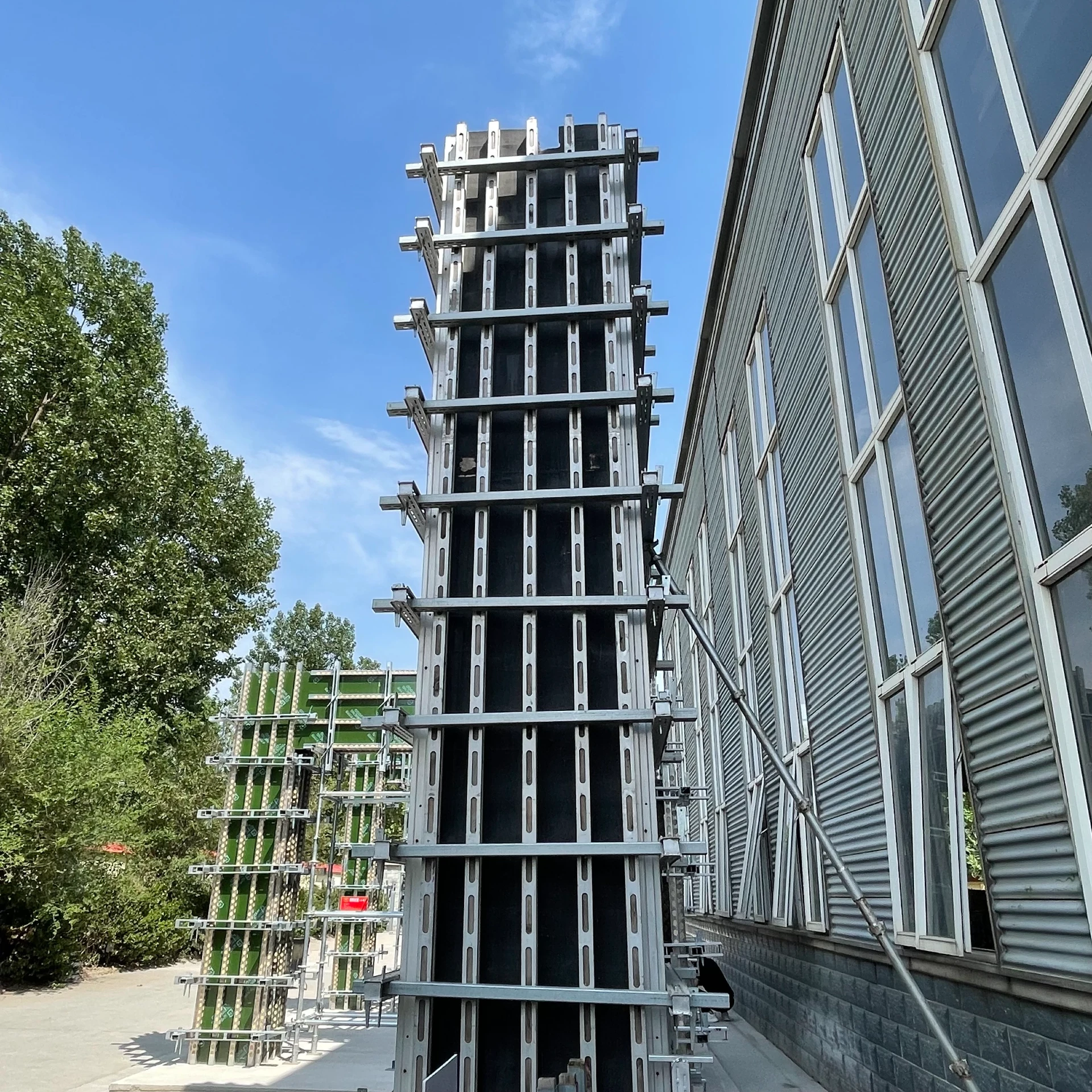
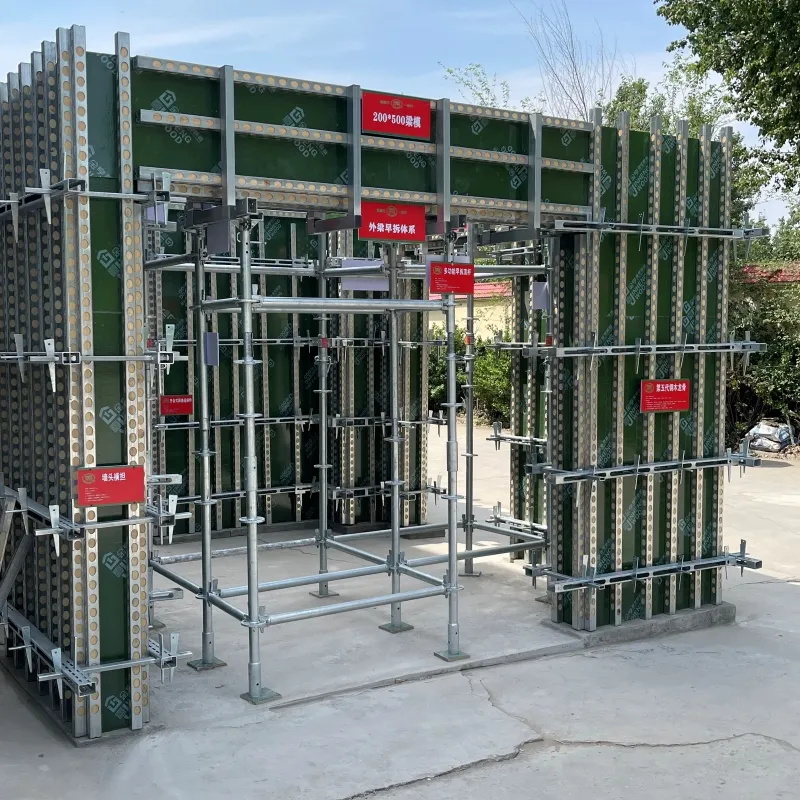
A shuttering system acts as a temporary mold that supports the plastic concrete until it gains enough strength to support its own weight. For vertical structures, the pressure exerted by liquid concrete is immense, requiring a system that can resist deformation. Modern systems utilize a combination of face sheets, joists, and walers to distribute this load evenly. By investing in a professional shuttering system concrete walls, contractors can significantly reduce the risk of "blowouts" and ensure that walls are perfectly plumb. The focus has shifted from traditional timber to modular steel and aluminum components that offer repeatable accuracy.
Pro Tip: Always verify the hydrostatic pressure calculations based on the pouring rate of the concrete to ensure the shuttering ties and braces are rated for the specific load.
Comparing Materials for Concrete Wall Shuttering
Choosing the right material for your shuttering system concrete walls depends on the project scale, budget, and required finish. While timber is flexible and cheap for small jobs, it lacks the durability and surface smoothness of engineered systems. Steel formwork is the gold standard for high-rise and industrial projects due to its immense strength and longevity. Aluminum offers a middle ground, providing a lightweight alternative that speeds up manual handling without sacrificing too much rigidity. Below is a detailed comparison to help you decide.
Installation Steps for Shuttering System Concrete Walls
Achieving a perfect wall requires a systematic approach to installation. First, the site must be leveled and the base layout marked with extreme precision. Next, the formwork panels are positioned and secured using alignment pins. To prevent the walls from bulging under the weight of the wet concrete, high-tensile tie rods are inserted through the panels. These rods are the unsung heroes of the shuttering system concrete walls, ensuring that the two sides of the formwork remain parallel throughout the pour. Finally, external bracing is installed to lock the system in place against wind or accidental impact.
Maximizing Efficiency with Modular Shuttering
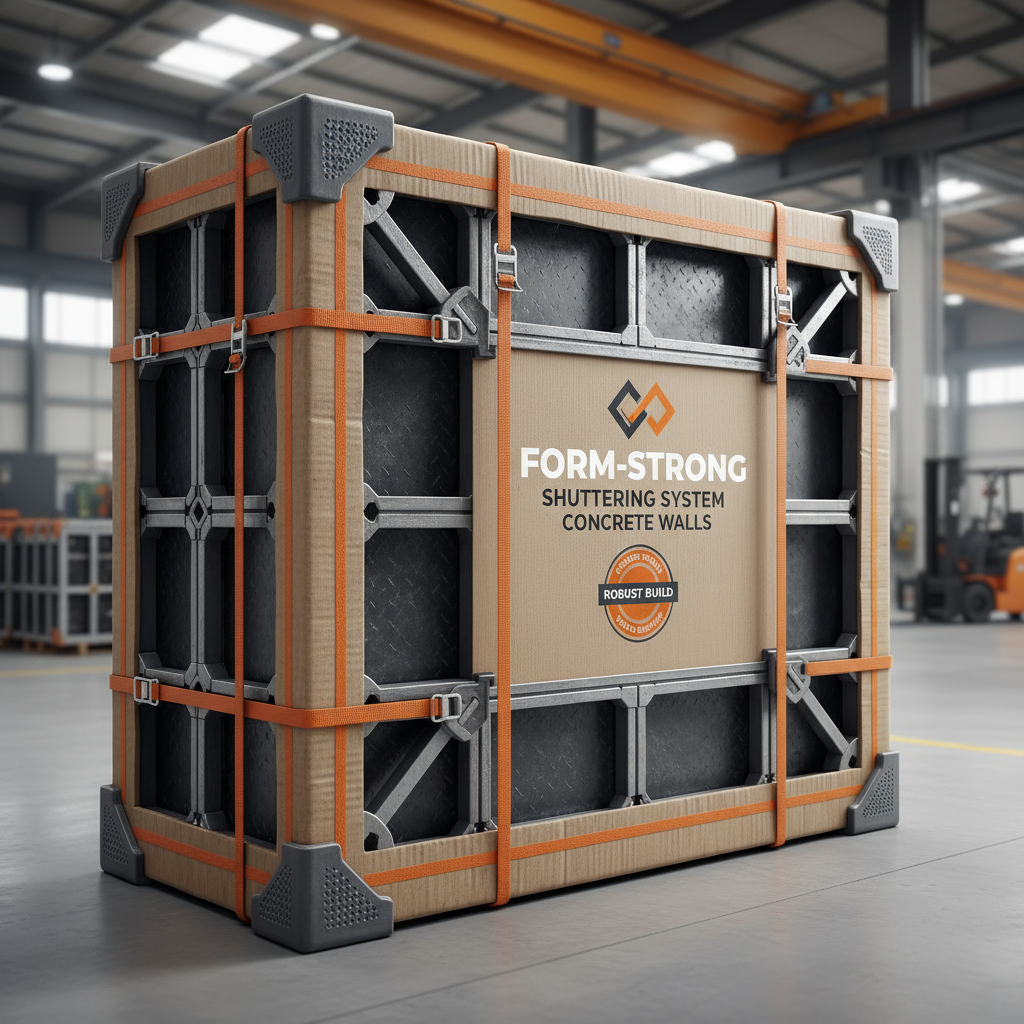
The shift toward modularity has revolutionized how we approach shuttering system concrete walls. Modular systems allow for rapid assembly and disassembly, which drastically reduces labor costs. Because the components are standardized, they can be easily transported and stored, making them ideal for projects with repetitive wall sections. Furthermore, the integration of specialized release agents prevents the concrete from sticking to the panels, ensuring a clean "strip" that doesn't damage the newly formed concrete surface.
Benefits of Modularity:
• Reduced Labor: Faster setup times compared to custom timber work.
• Precision: Eliminates human error in measurement for repetitive walls.
• Sustainability: Dramatically reduces wood waste on construction sites.
• Speed: Rapid cycle times increase overall project turnover.
Technical Specifications for Concrete Wall Systems
When selecting a provider for your shuttering system concrete walls, it is vital to look at the technical load capacities. The system must be able to withstand the pressure exerted by the specific grade of concrete being used, as well as the method of compaction (such as internal vibration). The following specifications represent a standard high-performance modular system used in industrial construction to ensure zero-defect wall production.
Maintenance for Longevity of Formwork
To ensure that your shuttering system concrete walls remains a profitable asset, a rigorous maintenance schedule is required. After every pour, panels should be cleaned of all concrete residue using non-abrasive tools to avoid scratching the surface. Applying a protective oil coating prevents oxidation in steel systems and moisture absorption in plywood-faced panels. Inspecting the locking pins and tie-nuts for wear is equally critical; a single failed component can lead to significant wall misalignment, resulting in costly remedial work.
Conclusion: Elevating Construction Standards
The implementation of a professional shuttering system concrete walls is an investment in quality, safety, and efficiency. By moving away from haphazard temporary forms and adopting engineered, modular solutions, construction firms can ensure structural perfection and significantly reduce waste. Whether the goal is architectural beauty or industrial strength, the right shuttering system provides the foundation for success. Choose high-grade materials and precise installation to build walls that stand the test of time.
Frequently Asked Questions (FAQs)
How do I prevent "honeycombing" in concrete walls when using a shuttering system?
Honeycombing occurs when concrete fails to fill the spaces around the reinforcement bars. To prevent this while using a shuttering system concrete walls, ensure that the concrete mix has appropriate workability (slump). More importantly, use mechanical vibrators correctly to settle the concrete. Avoid over-vibrating, as this can cause segregation, but ensure that the vibration reaches the bottom of the formwork. Additionally, ensure the shuttering is tight-fitting to prevent grout leakage, which often leads to voids and honeycombing.
What is the best way to determine the required thickness of the shuttering panels?
The thickness of the panels is determined by the calculated maximum pressure of the liquid concrete, which depends on the pour rate, the concrete temperature, and the use of retarders. Generally, for walls over 3 meters, thicker panels or reinforced ribs are necessary to prevent bowing. Consulting a structural engineer to calculate the "lateral pressure" is the safest approach. Most professional modular systems come with load charts that specify the maximum allowable pour height per hour based on the panel thickness and the distance between the supporting walers.
Can a modular shuttering system be used for curved concrete walls?
Yes, modular systems can be adapted for curves. This is typically achieved using flexible "radius" panels or by utilizing smaller, narrow panels that can be angled to approximate a curve (faceted curve). High-end shuttering system concrete walls often include specialized adjustable components that allow the user to set a specific radius. For perfectly smooth organic curves, custom-bent steel or flexible plywood liners are often integrated into the modular frame to maintain the structural support while achieving the desired aesthetic shape.
When is the safest time to remove the shuttering from the walls?
The removal, or "stripping," of the shuttering depends on the concrete reaching a specific compressive strength, typically around 70% of its design strength. In standard conditions, this usually takes 24 to 48 hours for vertical walls, as they do not support as much load as horizontal slabs. However, this varies based on the cement type and ambient temperature. Cold weather slows the curing process, requiring the shuttering to stay in place longer. We recommend using maturity meters or field-cured cylinders to test the actual strength before stripping to avoid surface damage or structural collapse.
-
High Efficiency Shear Wall Shuttering Systems for ConstructionNewsApr.09,2026
-
Comprehensive Guide to Shear Wall Formwork Systems and Construction TechniquesNewsApr.07,2026
-
Choosing the Optimal Retaining Wall Shuttering System for Construction ProjectsNewsApr.04,2026
-
Optimizing Construction with a Reused Formwork Wall System for EfficiencyNewsMar.31,2026
-
Comprehensive Guide to Panel Wall Formwork for Modern Construction ProjectsNewsMar.28,2026
-
Optimizing Construction Projects with Advanced Modular Column Formwork SystemsNewsMar.26,2026
-
Comprehensive Guide to Formwork for Shear Wall Construction and Best PracticesNewsMar.24,2026