
Scaffolding Accessories
-
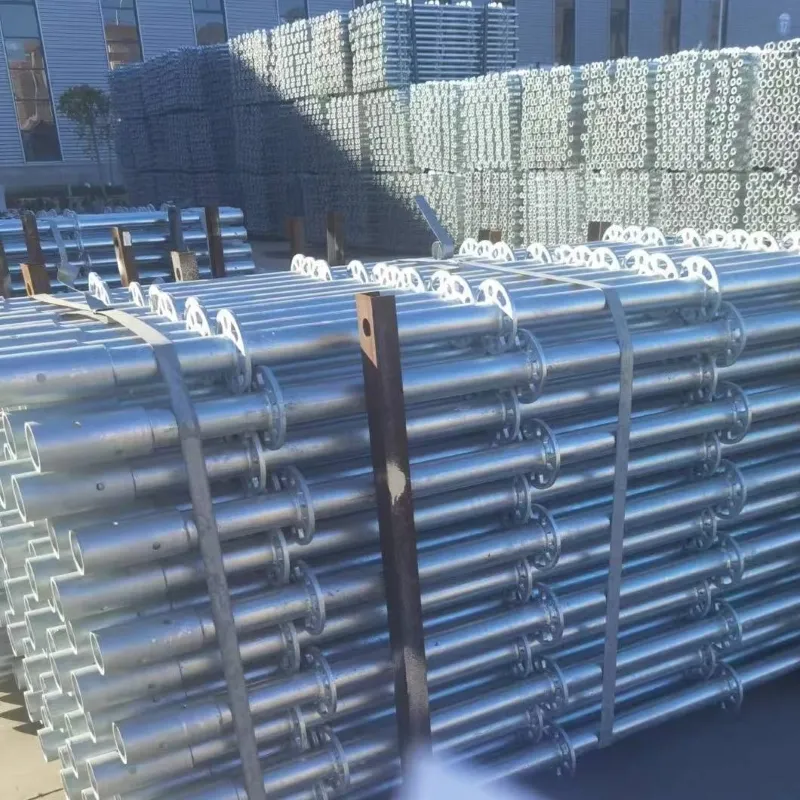 Disk-buckle scaffold is a new construction scaffold system, which is widely used in modern buildings because of its unique structural design and connection. It is composed of vertical rod, cross rod, inclined rod and node, etc., and adopts latch type connection, which has the characteristics of fast assembly, high strength, material saving, safety and stability. Coil scaffolding is divided into type A and type B two categories, respectively, for heavy support and house construction and decoration and other fields. It has a wide range of applications, including high-rise buildings, Bridges, shipbuilding and other fields. In terms of quality acceptance, standards such as material quality, connection quality, structural stability, bearing capacity and safety protection must be met.
 -
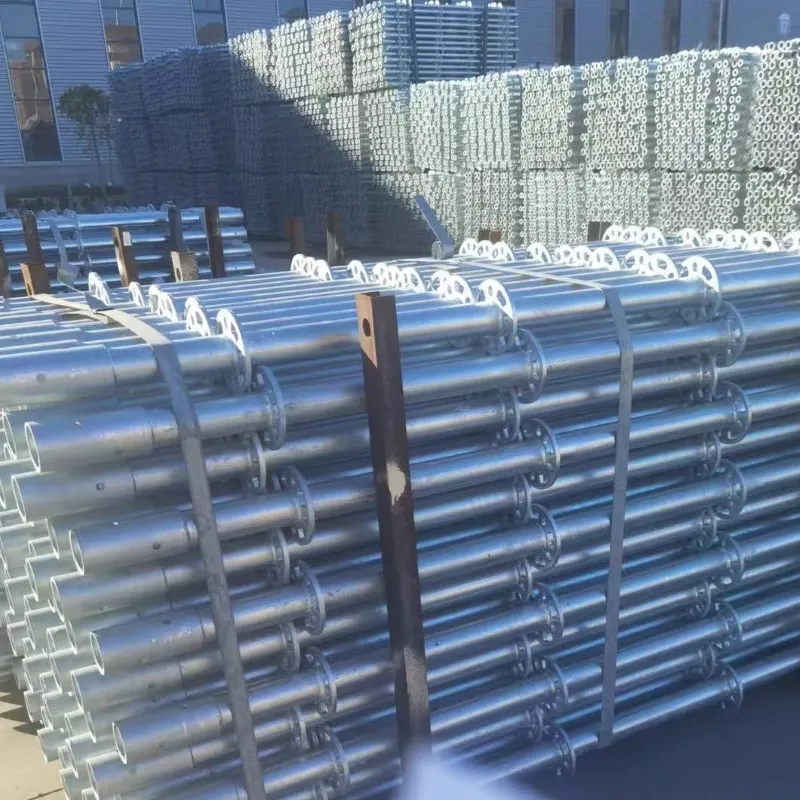 Product advantages: Save shipping costs High efficiency: No or only a small number of hand tools can be completed frame erection, improve the construction efficiency. Save steel: the amount of steel is less than 1/2 of the bowl buckle; No need to use wood, zero loss and zero maintenance safer Convenient: convenient construction, save time. Beautiful: Using hot-dip galvanizing process, the appearance of the frame is silver gray metal color, beautiful and clean appearance. Corrosion protection: The product surface treatment adopts hot plating anticorrosion process to improve service life, and will not reduce the bearing capacity due to rust surface.