
Comprehensive Guide to Column Formwork Systems for Modern Construction
Understanding the Column Formwork System: A Comprehensive Guide
In the world of modern construction, efficiency, safety, and cost-effectiveness are paramount. Column formwork systems play a crucial role in achieving these goals. This article provides an in-depth look at column formwork, its benefits, different types, applications, and what to consider when choosing the right system for your project. We’ll explore how a robust column formwork system can significantly improve your construction process and the quality of your finished structures.
What is a Column Formwork System?
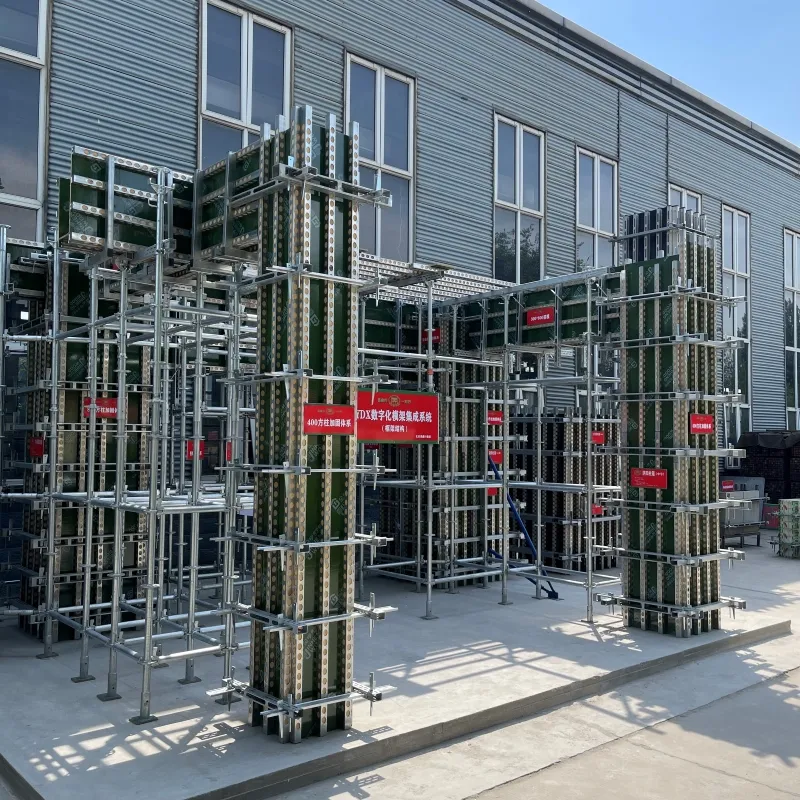
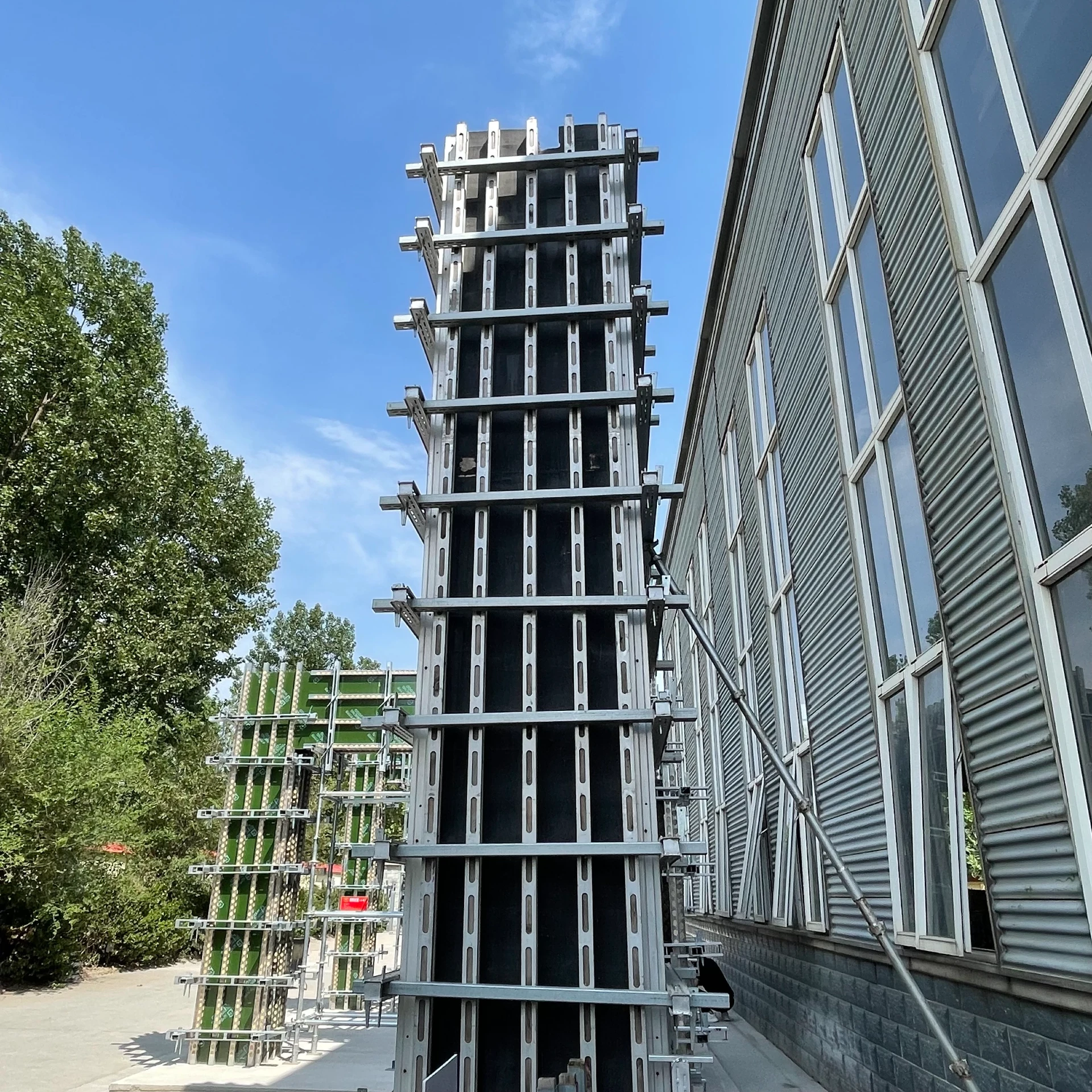
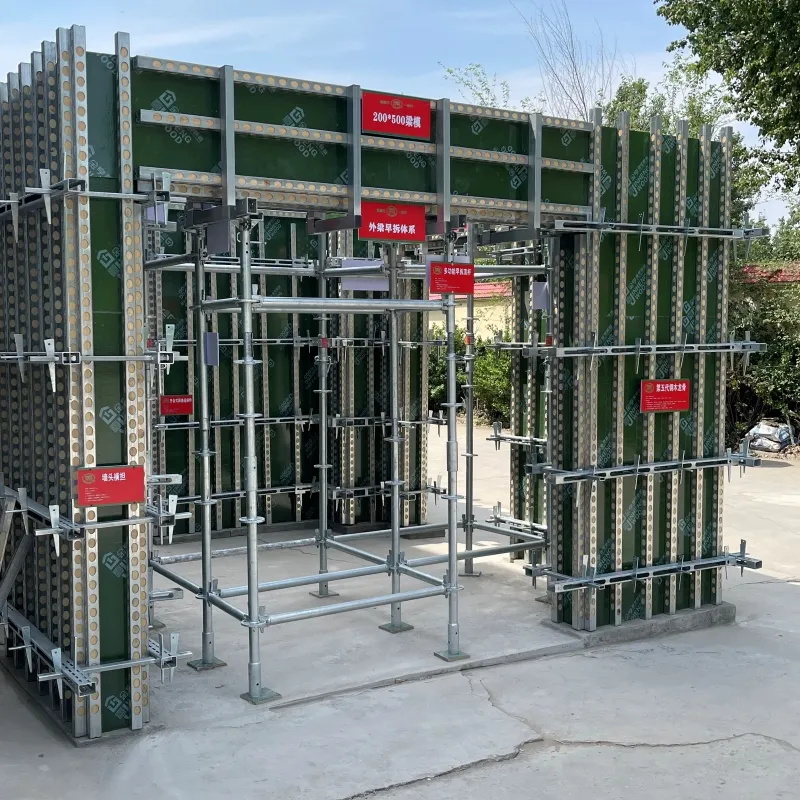
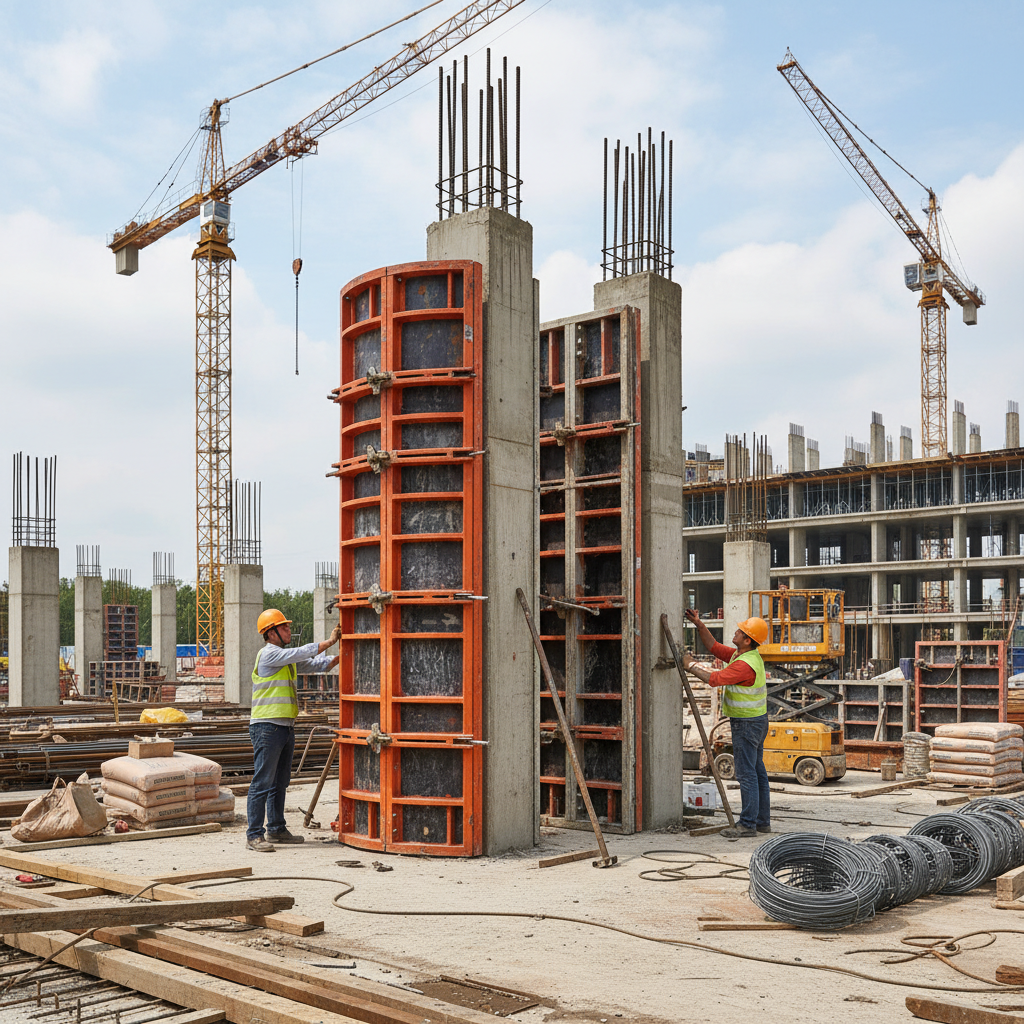
A column formwork system is a temporary structure used to mold concrete columns to the desired shape and dimensions. It consists of panels, bracing, and accessories that work together to contain the wet concrete until it cures and gains sufficient strength. The system must be strong enough to withstand the pressure of the concrete, yet easily disassembled once the concrete has set. Properly designed and implemented column formwork is essential for creating structurally sound and aesthetically pleasing columns.
Key Benefits: Increased construction speed, improved concrete finish, reduced labor costs, enhanced safety, and versatility for different column sizes and shapes.
Types of Column Formwork Systems
Several types of column formwork systems are available, each with its own advantages and disadvantages. Choosing the right type depends on project requirements, budget, and the complexity of the column design. Here are some of the most common:
- Traditional Timber Formwork: This is the oldest method, using wood panels and supports. It's relatively inexpensive but requires significant labor and is less durable.
- Steel Formwork: Steel formwork is strong, durable, and reusable, making it suitable for large-scale projects. However, it’s heavier and more expensive than timber.
- Plastic Formwork: Lightweight, easy to handle, and resistant to corrosion, plastic formwork is gaining popularity. It offers good surface finish and is relatively cost-effective.
- Modular Formwork: Consisting of prefabricated panels that can be easily assembled and disassembled, modular formwork offers flexibility and speed. Constrframe's modular systems are designed for efficiency and ease of use.
Column Formwork System: Comparison of Materials
Selecting the appropriate material for your column formwork is crucial. Here's a comparison of the most commonly used materials, highlighting their strengths and weaknesses:
Applications of Column Formwork Systems
Column formwork systems are utilized in a wide variety of construction projects, including:
- Residential Buildings: Forming columns for supporting structures in houses and apartments.
- Commercial Buildings: Constructing columns in office buildings, shopping malls, and warehouses.
- Infrastructure Projects: Building columns for bridges, flyovers, and elevated roadways.
- Industrial Facilities: Forming columns in factories and manufacturing plants.
Key Considerations When Choosing a System
When selecting a column formwork system, consider the following factors:
- Column Dimensions: The size and shape of the columns will dictate the appropriate system.
- Concrete Strength: The system must be able to withstand the pressure of the concrete mix.
- Project Timeline: Modular systems offer faster turnaround times for large projects.
- Budget: Consider the initial cost, as well as long-term maintenance and replacement expenses.
- Safety Requirements: Ensure the system meets all relevant safety standards and regulations.
Conclusion: Optimizing Construction with the Right Formwork
Investing in a high-quality column formwork system is essential for efficient, safe, and cost-effective construction. By carefully evaluating your project's needs and choosing a system that meets those requirements, you can improve the quality of your work, reduce labor costs, and ensure long-term structural integrity. Constrframe offers a range of innovative and reliable formwork solutions designed to optimize your construction process.
Frequently Asked Questions (FAQs)
What is the typical turnaround time for a modular column formwork system?
Modular column formwork systems are designed for rapid assembly and disassembly. A typical turnaround time for a single column can be as little as 30-60 minutes, depending on the complexity of the column and the experience of the crew. This significantly reduces downtime compared to traditional methods like timber formwork, which can take several hours or even days to set up and dismantle. The efficiency gains translate directly into faster project completion and lower labor costs.
What safety precautions should be taken when using column formwork?
Safety is paramount when working with column formwork. Always ensure the formwork is properly braced and secured before pouring concrete. Inspect the system for any damage or defects before each use. Workers should wear appropriate personal protective equipment (PPE), including hard hats, safety glasses, and gloves. Follow the manufacturer's instructions carefully and never exceed the load-bearing capacity of the system. Regular training for all personnel involved in the installation and dismantling process is crucial.
How do I determine the right bracing for my column formwork?
The amount and type of bracing required depend on several factors, including the height of the column, the concrete pressure, and the site conditions. Consult the formwork manufacturer's guidelines for specific recommendations. Generally, taller columns require more bracing to prevent buckling or collapse. Horizontal bracing should be used to tie the formwork panels together, while diagonal bracing provides additional stability. Proper bracing is essential for ensuring the safety and integrity of the formwork system.
What are the benefits of using plastic column formwork over traditional methods?
Plastic column formwork offers several advantages over traditional methods like timber or steel. It is significantly lighter, making it easier to handle and install, which reduces labor costs. Plastic is also corrosion-resistant, meaning it doesn't require ongoing maintenance or treatment. It delivers a smoother concrete finish, reducing the need for post-pour repairs. Furthermore, plastic formwork is reusable, making it a sustainable and cost-effective solution in the long run.
-
Efficient Modern Shuttering System Concrete Walls for ConstructionNewsApr.16,2026
-
High Efficiency Shear Wall Shuttering Systems for ConstructionNewsApr.09,2026
-
Comprehensive Guide to Shear Wall Formwork Systems and Construction TechniquesNewsApr.07,2026
-
Choosing the Optimal Retaining Wall Shuttering System for Construction ProjectsNewsApr.04,2026
-
Optimizing Construction with a Reused Formwork Wall System for EfficiencyNewsMar.31,2026
-
Comprehensive Guide to Panel Wall Formwork for Modern Construction ProjectsNewsMar.28,2026
-
Optimizing Construction Projects with Advanced Modular Column Formwork SystemsNewsMar.26,2026