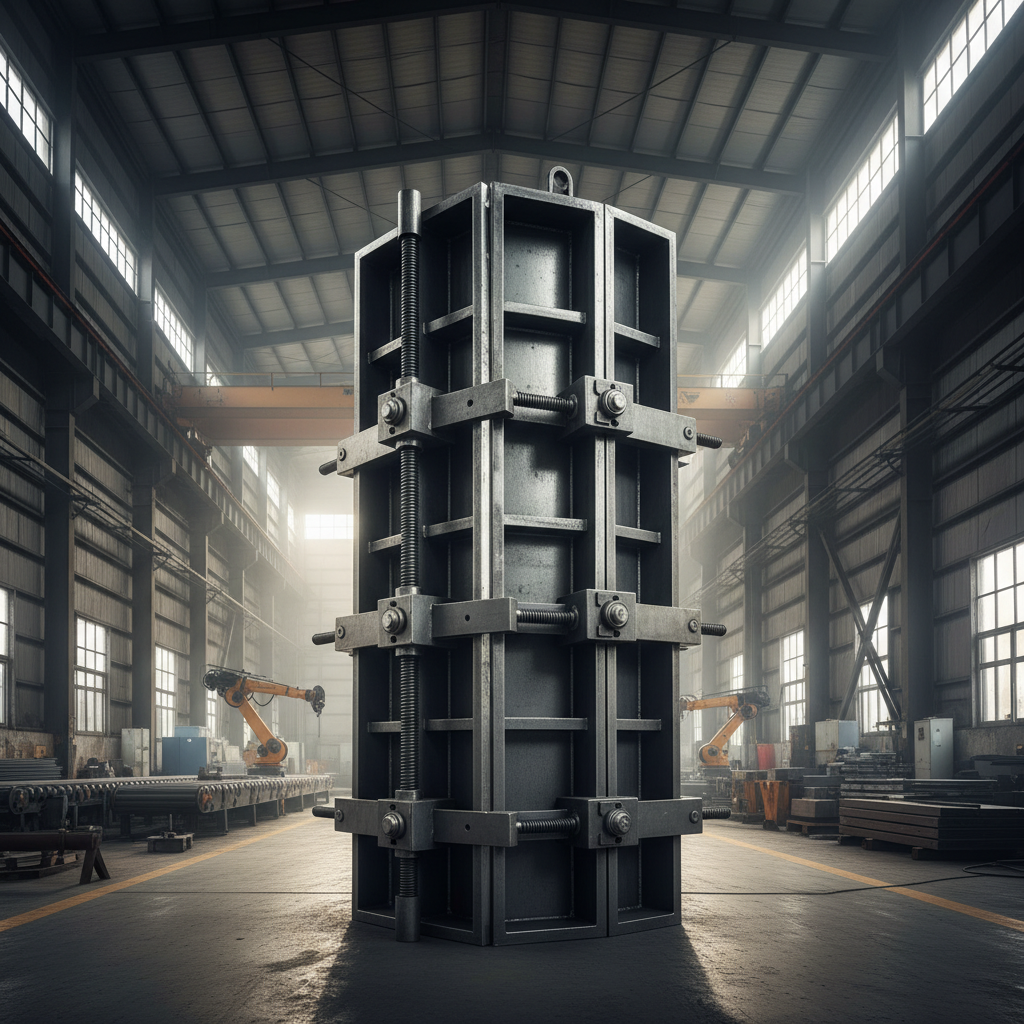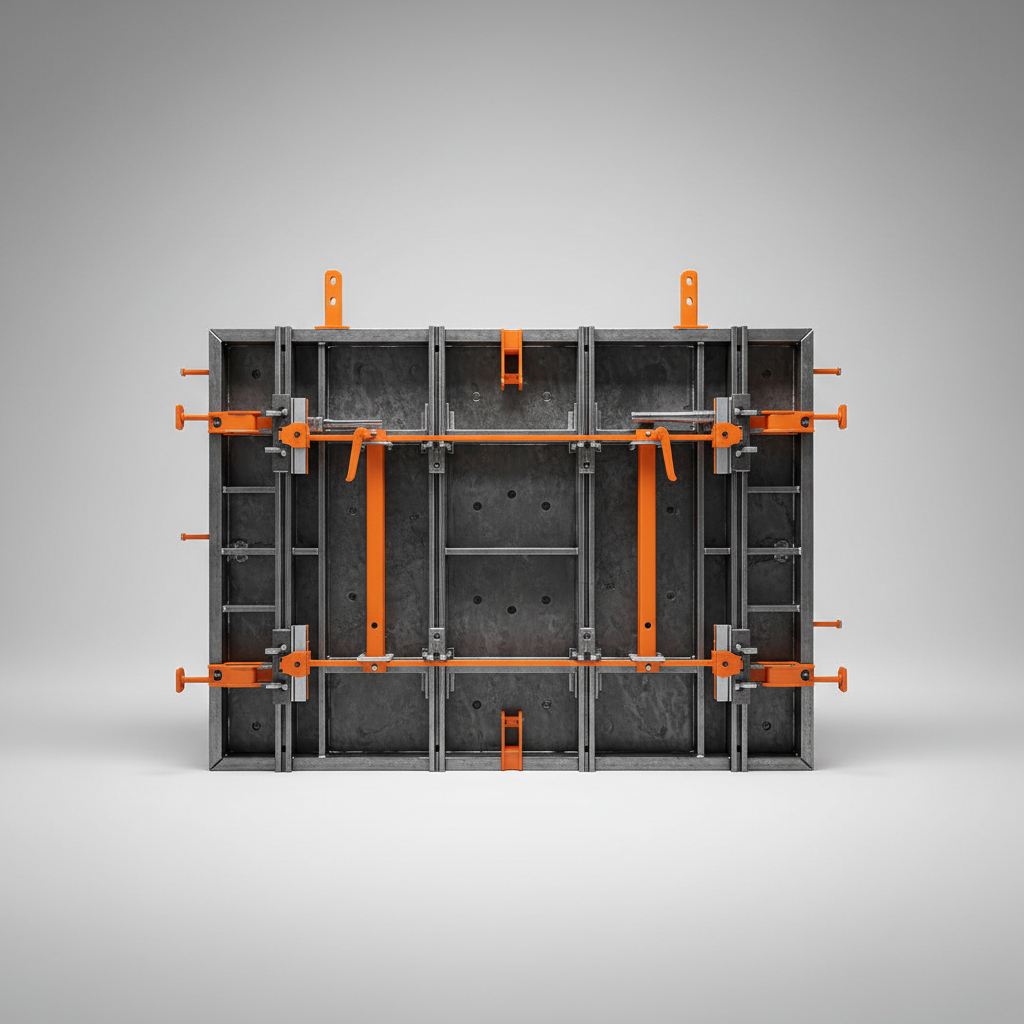
Understanding the floor slab price is a critical component of project budgeting for any structural metal fabrication or concrete construction project. In the context of metal structural manufacturing, the cost of a slab is not merely a material expense but a complex variable influenced by reinforcement methods, support systems, and the efficiency of the formwork used during the pouring process.
Many contractors struggle with unexpected cost overruns because they focus solely on the surface price of concrete rather than the total system cost, including the reinforcement keels and structural supports. By analyzing the relationship between material durability, installation speed, and repetition rates, project managers can significantly reduce the overall financial burden of slab construction.
This analysis provides a detailed breakdown of the factors influencing floor slab pricing, compares traditional timber supports with modern timber-steel hybrid systems, and offers a decision-making framework for optimizing ROI through higher-turnover materials.

Direct and Indirect Cost Drivers of Floor Slabs

The floor slab price is determined by a combination of direct material costs and indirect operational expenses. Direct costs include the volume of concrete, the weight of the steel reinforcement, and the procurement of formwork. However, indirect costs—such as labor for assembly, the time required for curing, and the cost of replacing damaged formwork—often account for a significant portion of the final budget.
In structural metal manufacturing, the precision of the reinforcement keel plays a vital role. Low-quality supports can lead to slab deformation, resulting in expensive remediation work that far exceeds the initial savings of cheap materials. Therefore, investing in high-precision reinforced systems is often a strategy for overall cost reduction.
The Impact of Support Systems on Total Expenditure
Support systems are the invisible drivers of the floor slab price. The choice between traditional scaffolding, timber beams, or advanced timber-steel reinforced systems dictates the speed of the construction cycle. Systems that allow for faster assembly and disassembly reduce the rental period for heavy equipment and lower the labor cost per square meter.
Yidingxing Technology Co., LTD focuses on high-turnover materials such as transverse reinforced keels and new early demolition systems. These technologies are designed to improve work efficiency, allowing construction enterprises to reduce energy consumption and costs by shortening the time the formwork must remain in place before the slab achieves structural integrity.
Comparing Traditional Timber vs. Timber-Steel Hybrids
Traditional construction relies heavily on silverwood, pinewood, or LVL beams. While the initial purchase price of raw timber is low, these materials suffer from rapid degradation, limited repetitions, and high waste rates. This makes the "per-use" cost of traditional timber surprisingly high when calculated over the lifespan of a large-scale residential or public building project.
In contrast, timber-steel hybrids combine the lightweight handling of wood with the structural strength and corrosion resistance of galvanized steel. These systems are designed for up to 300 repetitions, meaning the initial investment is amortized over hundreds of uses, drastically lowering the long-term floor slab price compared to disposable timber alternatives.
Efficiency Index: Repetition Rates and Cost Recovery
The most critical metric for evaluating the cost-effectiveness of slab support is the repetition rate. A system that can be reused 300 times creates a different financial profile than one that lasts only 10 times. This relative efficiency determines how quickly the capital expenditure is recovered during the project lifecycle.
The chart illustrates the relative cost-efficiency (normalized score) of different support materials. While traditional timber has a low entry cost, its efficiency score is the lowest due to waste. Timber-steel hybrids provide the highest efficiency because they balance durability with ease of handling, allowing for higher productivity on site.
Material Specification and its Influence on Pricing
Specific product dimensions and coatings directly affect the performance and subsequent cost of the floor slab. For instance, timber-steel beams available in 50x50 mm and 50x70 mm sections provide different flexural strengths. Choosing the correct depth prevents over-engineering (which wastes money) or under-engineering (which risks structural failure).
Galvanized coatings are essential for corrosion resistance, particularly in humid environments. While this increases the initial product cost, it ensures that the materials do not degrade between uses. Additionally, the use of protective plug covers prevents pipe orifice deformation and ensures that inner wood does not fall off, maintaining a neat and beautiful finish while speeding up the laying of formwork.
Common Budgetary Risks in Slab Construction
Budget overruns in floor slab pricing often stem from "hidden" failures. One common risk is the use of inconsistent timber beams that warp under the weight of wet concrete, leading to slab unevenness. Another risk is the reliance on high-maintenance accessories that require constant adjustment, increasing labor hours.
To mitigate these risks, engineers should prioritize systems that can be stacked uniformly after use and are easy to handle. By reducing the time spent on site organization and material transport, companies can avoid the labor cost spikes that typically inflate the total cost of slab installation.
Slab Support Solution Decision Matrix
Selecting the right support system requires balancing immediate budget constraints with long-term project goals. The following matrix compares different approaches based on key operational and financial dimensions to help buyers determine the most sustainable option for their specific project.
| Support Type | Repetition Rate | Installation Speed | Long-term Cost |
|---|---|---|---|
| Traditional Pine/Silverwood | Low (5-15) | Moderate | High (Due to waste) |
| LVL Beams | Moderate (20-50) | Moderate | Medium |
| Timber-Steel Hybrid | High (Up to 300) | Fast | Low (Amortized) |
| All-Steel Formwork | Very High | Slow (Heavy) | Medium (High Capex) |
| Wooden H-Beams | Low-Moderate | Moderate | Medium-High |
| Reinforced Keel System | High | Fast | Low |
As shown, while all-steel systems offer high durability, the timber-steel hybrid is often the most balanced choice for most residential and public projects due to its combination of strength, light weight, and ease of handling.
Frequently Asked Questions
The most significant impacts come from the material cost of concrete and steel, the efficiency of the formwork support system, labor costs for installation, and the repetition rate of the materials used.
They reduce costs by providing up to 300 repetitions, decreasing material waste, and improving installation speed through lightweight design and standardized dimensions.
Yes, galvanized coatings prevent corrosion, which is essential for maintaining structural integrity over hundreds of repetitions, especially in outdoor or humid construction sites.
Plug covers protect pipe orifices from deformation due to collision and prevent inner wood from falling out, ensuring a smoother installation process and a cleaner finish.
The choice depends on the required flexural strength and the span of the slab. 50x70 mm sections provide higher strength for larger depths and heavier loads.
Yes, while standard pre-cut lengths (1.5m to 3m) are available, manufacturers like Yidingxing can customize lengths to meet specific order requirements.
Conclusion
Optimizing the floor slab price requires a shift in focus from initial material procurement to the total cost of ownership. By integrating high-efficiency timber-steel hybrids and reinforced keel systems, construction firms can maximize material repetition and minimize labor overhead, leading to a more sustainable and profitable project lifecycle.
For detailed specifications on reinforced formwork systems and high-turnover building materials, professionals can review the technical options available at www.constrframe.com to align their procurement strategy with their specific engineering requirements.