

News
-
In the dynamic world of construction, efficiency, safety, and cost-effectiveness are paramount. A climbing formwork system is a crucial element in achieving these goals, particularly for vertical concrete structures. This article will delve into the details of climbing formwork systems, exploring their benefits, applications, components, safety considerations, and future trends. Understanding these systems is key for contractors, engineers, and anyone involved in high-rise construction. A well-implemented climbing formwork system can dramatically improve project timelines and reduce labor costs. A climbing formwork system is a specialized type of formwork used for constructing vertical concrete structures, such as high-rise buildings, bridge piers, and core walls. Unlike traditional formwork that is erected and dismantled for each pour, a climbing system climbs with the concrete as it sets. This is achieved using a self-climbing mechanism, significantly reducing downtime and accelerating the construction process.Read more
-
In modern construction, efficiency and cost-effectiveness are paramount. Aluminium formwork has emerged as a revolutionary system, transforming the way buildings are constructed. This article delves into the intricacies of aluminium formwork, exploring its benefits, applications, and why it's becoming a preferred choice for construction projects worldwide. We’ll cover everything from its core components to its advantages over traditional methods, providing a valuable resource for architects, engineers, and construction professionals. Aluminium formwork is a construction system utilizing prefabricated aluminium alloy panels to create formwork for concrete structures. Unlike traditional timber or steel formwork, aluminium formwork is lightweight, durable, and highly reusable. The system consists of panels, supporting structures, and accessories like bracing and ties. It's typically used for shear walls, slabs, columns, and foundations in high-rise buildings and residential projects.Read more
-
Selecting the appropriate roof floor is crucial for the structural integrity, longevity, and overall value of any building. This article dives deep into the considerations when choosing a roof floor, exploring different materials, applications, and crucial factors to ensure a successful project. Understanding these elements will empower you to make an informed decision that safeguards your investment and provides a solid foundation for years to come. We'll cover everything from concrete options to innovative lightweight alternatives. Several materials are commonly used for roof floors, each with its own strengths and weaknesses. Concrete is a popular choice due to its strength and durability, but it can be heavy and require significant structural support. Lightweight concrete, utilizing aggregate alternatives, offers a good balance between strength and weight. Wood, while traditionally used, requires careful treatment to prevent rot and decay. More modern options include composite materials, which combine the benefits of different materials for enhanced performance and longevity. Choosing the right material depends on factors like building height, load-bearing requirements, and budget.Read more
-
Shear wall formwork systems are critical components in modern construction, particularly in high-rise buildings and structures designed to withstand significant lateral forces. These systems provide the necessary support for concrete walls during pouring and curing, ensuring structural integrity and efficient construction. This article explores the intricacies of shear wall formwork systems, their benefits, applications, and key considerations for selecting the right system for your project. We will delve into different types of systems and the advantages they offer. A shear wall formwork system is a temporary structure used to mold and support concrete shear walls during construction. Shear walls are structural elements designed to resist lateral loads, such as those caused by wind or earthquakes. The formwork system provides the shape and stability required for the concrete to set properly, resulting in a strong and durable shear wall. These systems are typically modular, allowing for easy assembly, disassembly, and reuse, contributing to cost-effectiveness and faster project completion times.Read more
-
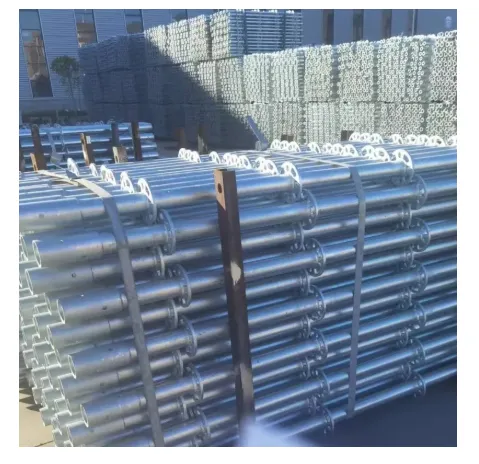 In industrial access and heavy-duty construction, the Tubular Welded Frame Scaffold operatRead more