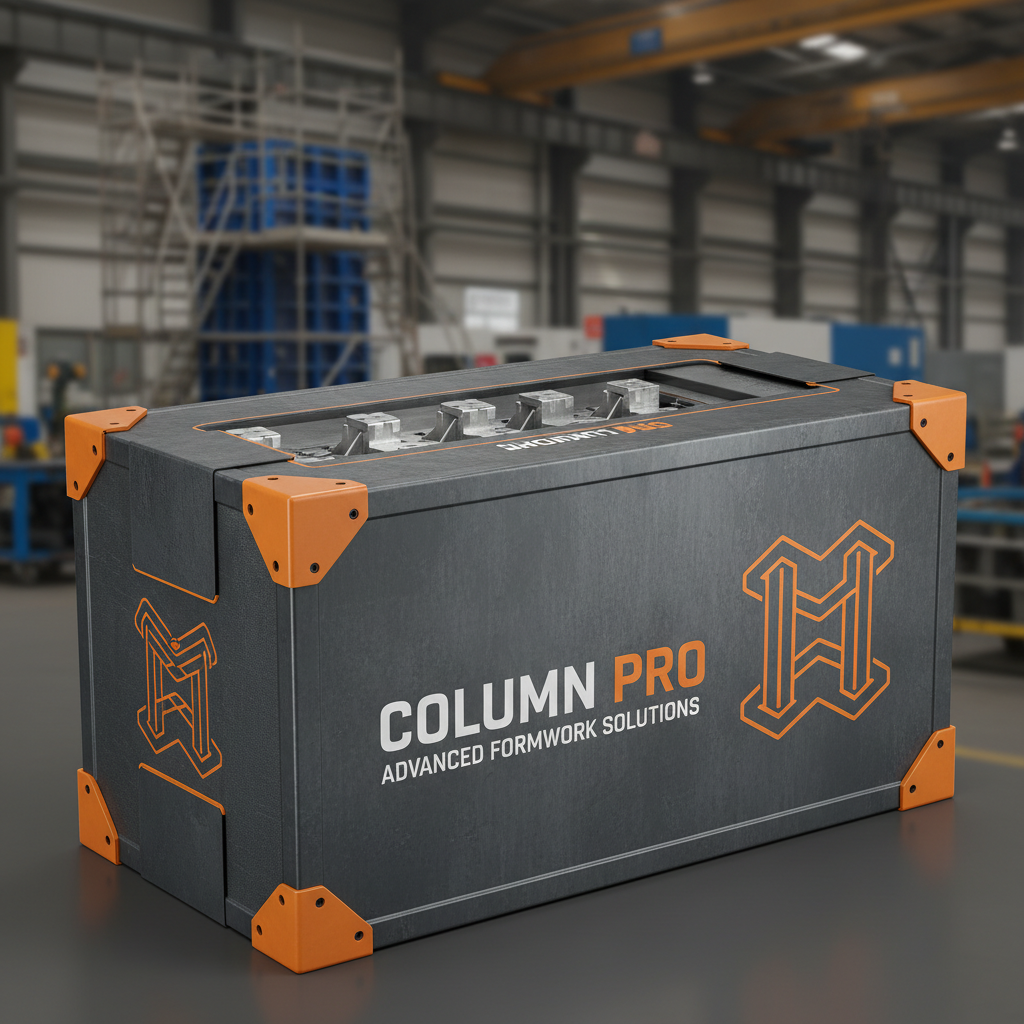
Understanding the aluminum formwork price is essential for modern construction procurement, as it represents a strategic balance between initial capital expenditure and long-term operational savings. Unlike traditional timber, aluminum systems are engineered for high-frequency reuse, significantly altering the cost-per-use metric across large-scale residential and public building projects.
For many contractors, the primary challenge lies in the higher upfront investment compared to conventional methods. However, when analyzing the total cost of ownership, factors such as reduced labor hours, faster striking cycles, and minimal waste often offset the initial price point, making it a superior choice for high-turnover construction environments.
This comprehensive analysis explores the variables influencing aluminum formwork pricing, compares its ROI against other systems, and provides technical guidance on selecting the right reinforcement components to maximize the lifespan and efficiency of your formwork investment.

1Core Components and Pricing Drivers

The total aluminum formwork price is determined by more than just the raw material cost of aluminum. It encompasses the engineering design, the precision of the extrusion process, and the quality of the integrated reinforcement components. Critical elements such as the Horizontal Reinforcement Keel and various scaffolding accessories play a vital role in ensuring the structural integrity of the cast.
Additionally, the inclusion of specialized hardware, such as new beam clamps and through-the-wall rods, adds to the complexity of the system. These components are essential for maintaining tight tolerances and preventing deformation under the immense pressure of wet concrete.
Manufacturers like Yidingxing Technology Co., LTD focus on developing high-turnover materials that reduce energy consumption and construction costs. By optimizing the weight-to-strength ratio of the steel timber and transverse reinforced keels, they provide a system that balances affordability with industrial-grade durability.
2Technical Advantages of Aluminum Systems
Aluminum formwork offers a distinct technical edge over traditional systems due to its lightweight nature and high rigidity. The use of hot-dip galvanized pipes (such as 50703.0mm) in reinforcement ensures that the system is resistant to corrosion and capable of withstanding extreme site conditions without losing structural stability.
One of the most significant advantages is the surface finish quality. Aluminum panels produce a smooth concrete surface that requires minimal plastering or finishing work, further reducing the overall project cost beyond the initial purchase price of the formwork.
Furthermore, the stability of the system is enhanced by specialized accessories like square column reinforcement. These ensure that the verticality of the structure is maintained, reducing the risk of costly corrective work after the forms are stripped.
3Application Scenarios for High-Turnover Formwork
High-turnover aluminum systems are most effective in projects with repetitive floor plans, such as high-rise residential complexes and modular public buildings. In these scenarios, the ability to rapidly move panels from one level to the next maximizes the utility of the initial investment.
The integration of early demolition systems allows contractors to remove formwork sooner without compromising the safety of the structure. This acceleration of the construction cycle is where the true value of the aluminum formwork price is realized, as it shortens the total project duration.
In large-scale urban developments, the reduction in site waste is also a critical factor. Unlike timber formwork, which is often discarded after a few uses, aluminum systems are designed for hundreds of cycles, aligning with green building standards and reducing disposal fees.
4Cost-Benefit Analysis and Performance Metrics
When evaluating the aluminum formwork price, procurement teams must shift from a "purchase price" mindset to a "cost-per-use" mindset. While the initial outlay is higher, the reduction in labor and the increase in cycle speed create a significant net gain in ROI over the project lifecycle.
Key performance indicators include the striking time, the number of reuses possible before panel fatigue, and the precision of the resulting concrete wall. High-quality galvanized components contribute to these metrics by preventing rust-induced degradation.
aluminum formwork price Performance Metrics
As shown in the performance data, the efficiency gains in labor and cycle speed far outweigh the material cost premiums. The ability to achieve near-perfect surface quality also eliminates secondary finishing costs, which are often underestimated in traditional budget forecasts.
5Procurement Criteria for Formwork Systems
Selecting a supplier requires a deep dive into the technical specifications of the reinforcement accessories. For instance, the use of 200g hot-dip galvanized pipes ensures longevity. Buyers should verify the increments available for length (e.g., 600 to 3000mm in 300mm steps) to ensure the system can be adapted to various slab thicknesses.
Another critical procurement factor is the compatibility of the accessories. A system that uses standardized clamps and wall rods is easier to maintain and expand than a proprietary system that locks the user into a single vendor for replacement parts.
Evaluating the manufacturer's track record in major public buildings is also essential. Companies that have successfully deployed their systems in high-pressure environments demonstrate a level of reliability that justifies a premium price point.
6Market Trends in Sustainable Construction Materials
The construction industry is moving rapidly toward "green" formwork. Aluminum's recyclability makes it a cornerstone of this shift. At the end of its service life, aluminum formwork retains a significant scrap value, which further reduces the effective aluminum formwork price over the long term.
Technological innovation is now focusing on integrated sensing and smarter reinforcement keels that can monitor the pressure within the formwork in real-time, preventing blowouts and increasing safety on site.
Moreover, the shift toward prefabricated components means that formwork is increasingly designed in BIM (Building Information Modeling) software, allowing for a precise count of required panels and accessories, thereby minimizing over-ordering and reducing waste.
7Comparative Selection Guide: Aluminum vs. Timber
Choosing between aluminum and timber depends on the project scale and the required turnaround time. For small, custom residential projects, timber may be more economical. However, for any project requiring more than 5-10 repetitions of the same layout, aluminum becomes the mathematically superior choice.
The following table outlines the key differences in operational impact and cost structure between the two most common systems.
| Feature | Aluminum System | Traditional Timber | Impact on Project |
|---|---|---|---|
| Initial Cost | High | Low | Capex vs Opex |
| Reuse Cycles | 150-300+ | 5-15 | Long-term ROI |
| Installation Speed | Very Fast | Slow | Timeline Reduction |
| Surface Finish | Excellent | Moderate | Finishing Costs |
| Waste Generation | Minimal | High | Environmental Impact |
| Labor Requirement | Lower/Skilled | Higher/General | Wage Expenses |
Ultimately, the decision should be based on the Total Cost of Construction. When labor costs are high and timelines are tight, the premium paid for aluminum formwork is recovered through drastically reduced operational overheads.
Frequently Asked Questions
Conclusion
Optimizing the aluminum formwork price requires a strategic look at the entire project timeline rather than focusing solely on the initial invoice. By leveraging high-strength, high-turnover materials and professional reinforcement accessories, construction firms can achieve a level of efficiency and surface quality that is impossible with traditional methods.
For procurement teams and project managers seeking to balance budget constraints with performance requirements, reviewing technical specifications and case studies is the best way to ensure a high ROI. More detailed product information and system solutions are available for review at www.constrframe.com.