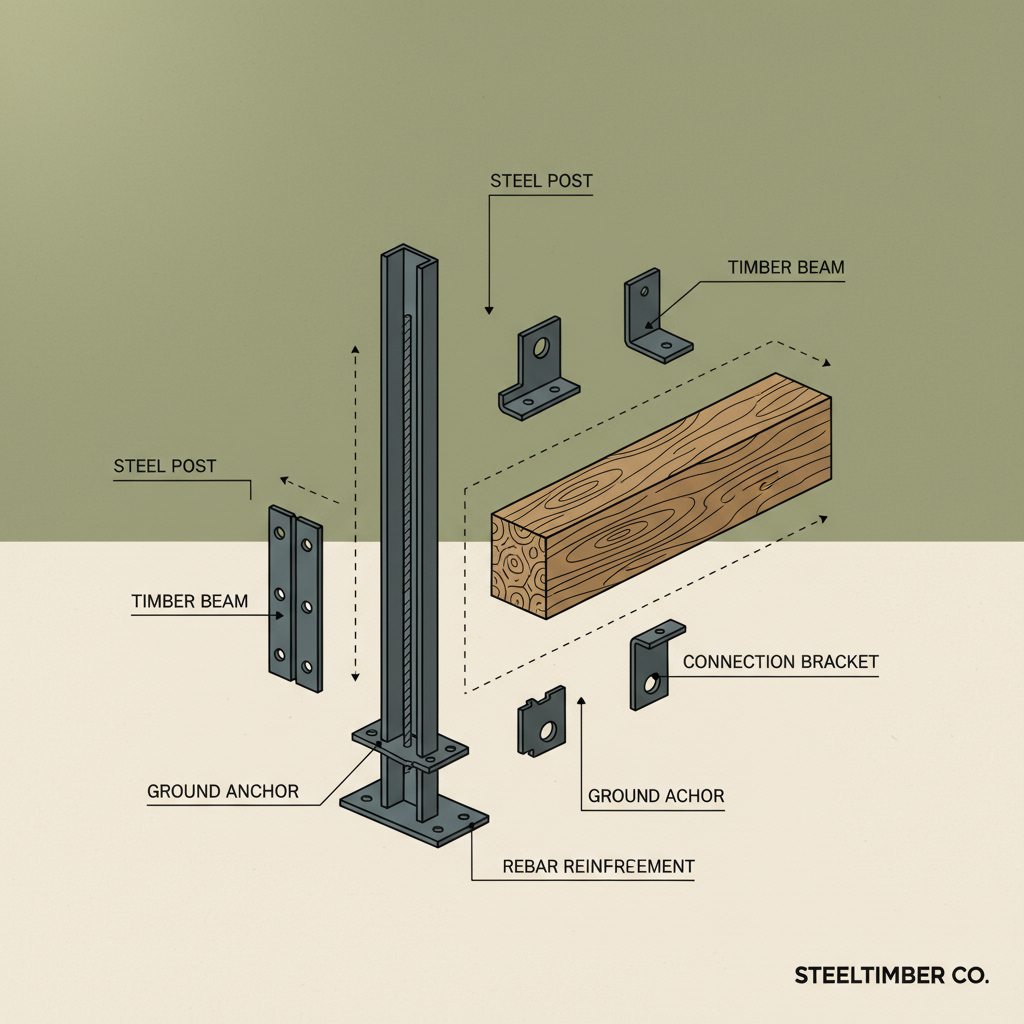
Understanding Slab Technology for Modern Construction and Global Resilience
The concept of a slab, in its broadest sense, refers to a flat, usually horizontal structural element. While seemingly simple, the application and significance of slabs are far-reaching, impacting construction, infrastructure, and even disaster relief efforts globally. Understanding the nuances of slab design, materials, and deployment is crucial for engineers, architects, and humanitarian organizations alike, leading to safer, more efficient, and cost-effective building solutions. Globally, the demand for efficient and durable construction techniques is increasing, driven by rapid urbanization, population growth, and a growing awareness of sustainable building practices. The construction industry accounts for nearly 40% of global carbon emissions, according to the UN Environment Programme, necessitating innovative solutions like optimized slab designs and the use of eco-friendly materials. Addressing these challenges requires a deep understanding of slab technology. In regions prone to natural disasters, such as earthquakes or hurricanes, the integrity of structural elements like slabs is paramount. The World Bank estimates that disaster-related losses cost developing countries over $50 billion annually.
Read more »

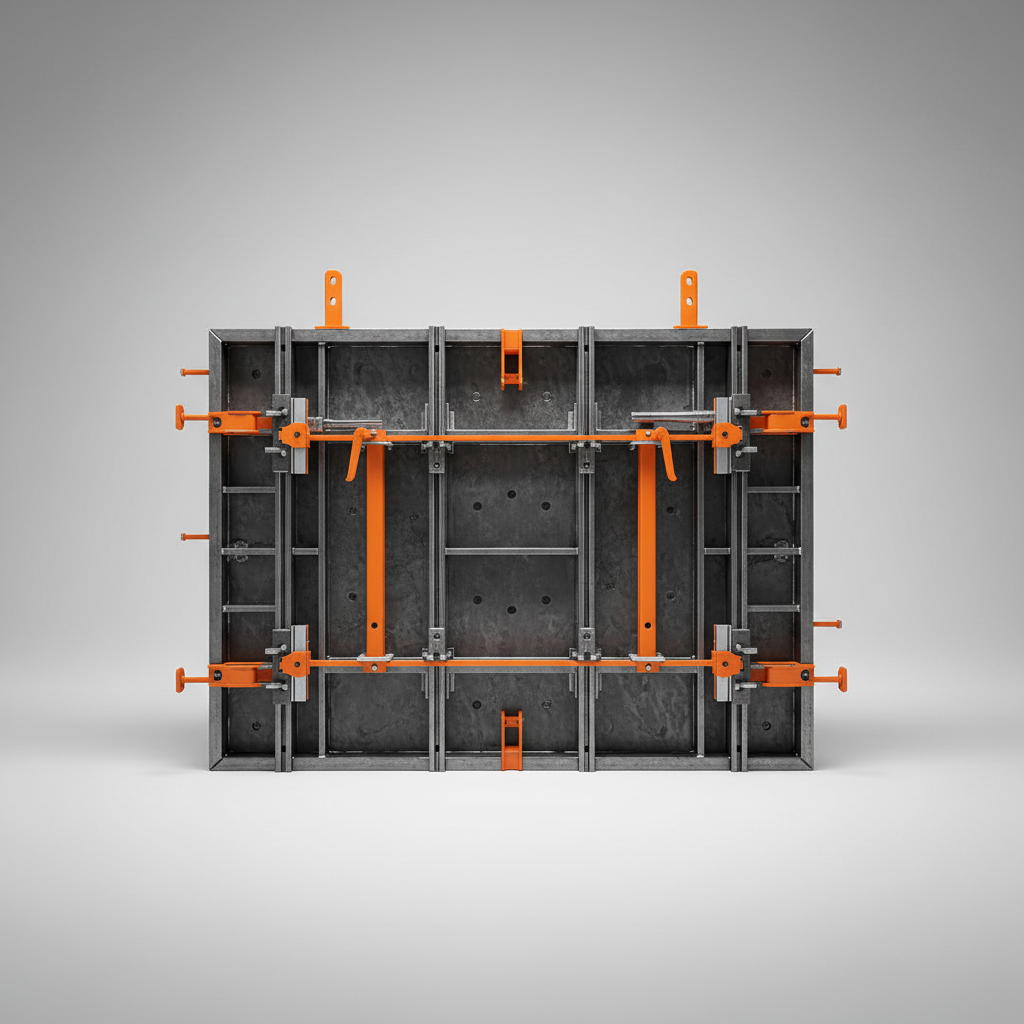
 By:Michael Johnson - February 10, 2026
 By:Robert Miller - February 9, 2026

 By:David Chen - February 4, 2026

 By:Brian Thompson - February 3, 2026
 By:Kevin Rodriguez - February 2, 2026