Top Aluminum Formwork Companies and Reinforced Keel Systems
Optimizing the structural integrity of vertical concrete elements requires a precise balance between weight, strength, and installation speed. For project managers overseeing high-rise residential or public infrastructure, the transition toward advanced reinforced systems is no longer optional but a necessity for cost control. Yidingxing Technology Co., LTD addresses these challenges through its specialized formwork reinforced systems, focusing on the critical intersection of stability and labor efficiency.
By integrating a joint connection design with lightweight materials, the YDX reinforced keel series significantly reduces the physical burden on onsite crews while accelerating the construction cycle. Whether managing small square columns or massive double-row reinforced structures, the ability to maintain high turnover rates without compromising safety is what defines modern industrial efficiency in the metal structures sector.

Engineering the Core Advantages of Reinforced Keel Systems
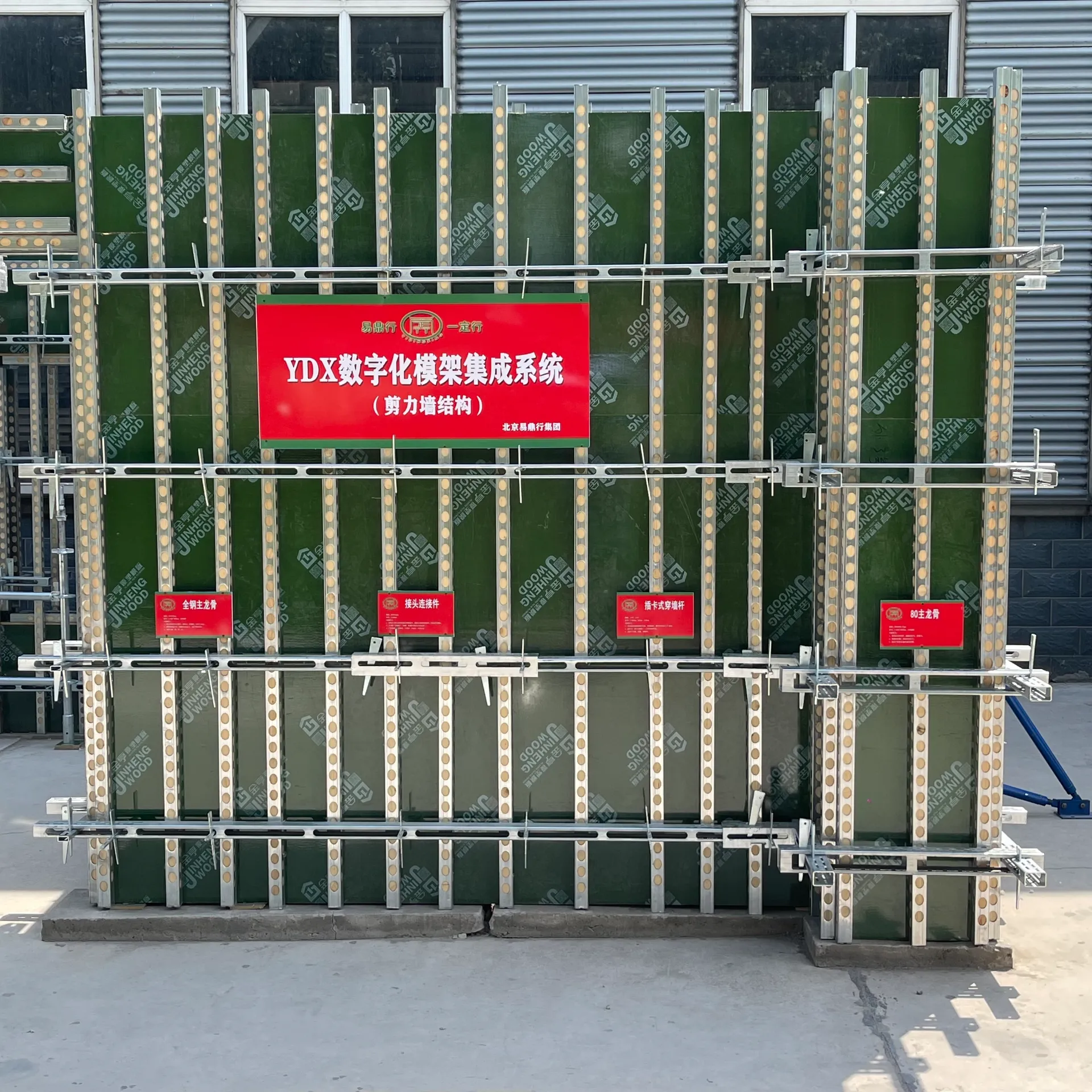
The primary objective of any reinforced formwork system is to resist the immense hydrostatic pressure of wet concrete while remaining agile enough for rapid disassembly. The YDX system utilizes a joint connection design that ensures seamless structural continuity across different column sizes. This approach eliminates the common points of failure found in traditional bracing, providing a more uniform distribution of stress throughout the formwork shell.
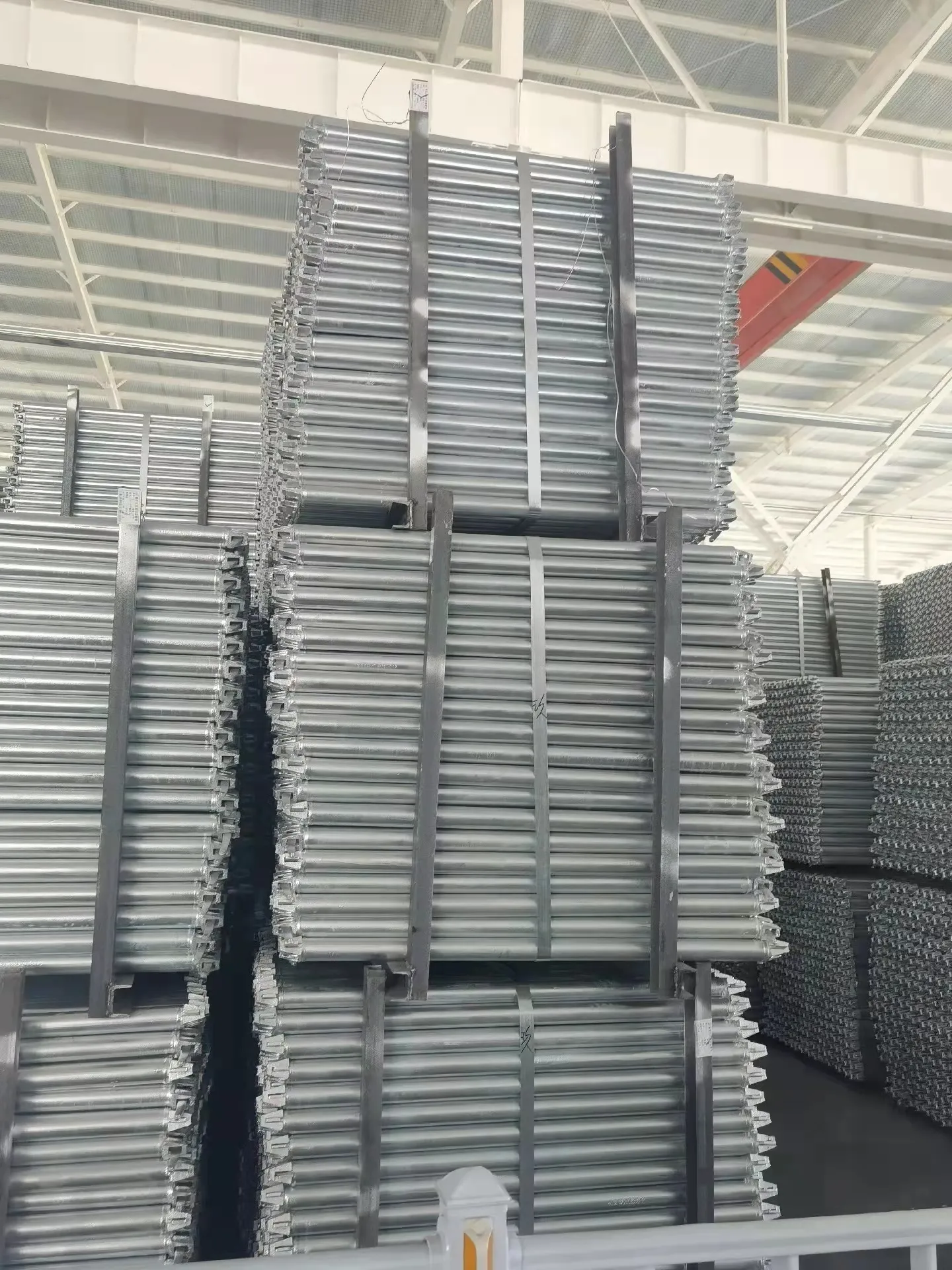
Labor cost is often the most volatile variable in large-scale construction. By focusing on lightweight materials and a simplified assembly logic, these systems allow for quick installation and disassembly. This not only reduces the man-hours required per floor but also minimizes the risk of onsite injuries associated with handling heavy, cumbersome steel beams. The result is a highly cost-effective operation characterized by low initial investment and a long service life due to the inherent durability of the structural steel.
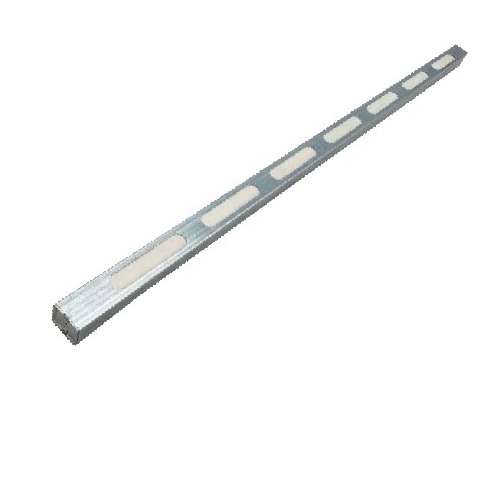
- Enhanced Versatility: The steel keel of the column hoop is adaptable for use in walls, tops, and columns.
- High Turnover: Designed specifically for rapid reuse, increasing the overall efficiency of the building cycle.
- Structural Durability: Strong and durable materials that resist deformation over multiple casting cycles.

Technical Specification and Column Scale Compatibility
Selecting the correct reinforcement model is dependent on the cross-sectional dimensions of the concrete column. Using an undersized keel can lead to formwork bulging, while an oversized system adds unnecessary weight and cost. Yidingxing provides a tiered specification range to match the specific load requirements of various architectural designs.
For smaller structural elements, the Small Square Column configuration utilizing Steel Keel + I Steel Keel is optimal for dimensions up to 500mm. As the scale increases to the 500mm-600mm range, the Square Column model with 80 Steel Keel provides the necessary lateral support. For large-scale public buildings where columns range from 900mm to 2500mm, the Large Column configuration (Steel Keel + H Steel Keel) is employed to maintain strict dimensional tolerances under high pressure.
In extreme scenarios requiring maximum stability without the use of internal tie rods, the Double Row Large Column system (Steel Keel + H Steel Keel + Tube) is implemented. This configuration is specifically engineered for columns between 900mm and 1200mm, ensuring that the formwork remains perfectly aligned even during rapid pouring sequences.
Operational Integration in Public and Residential Projects
The application of YDX reinforced systems extends beyond simple support; it is an integrated approach to building efficiency. In high-density residential projects, where repetitive floor plans are common, the ability to standardize the reinforcement system allows for a "production line" mentality on the construction site. This predictability reduces errors and ensures that every column meets the architectural specifications perfectly.
For public buildings, such as museums or transport hubs, the architectural requirements often involve larger, non-standard column sizes. The versatility of the H-steel keel and transverse reinforced accessories allows engineers to customize the support structure without needing entirely new molds. This flexibility is critical for maintaining project timelines when dealing with complex geometric designs.
Furthermore, the introduction of early demolition systems allows for the premature removal of certain formwork components while maintaining safety. This drastically improves the turnover rate of materials, meaning fewer sets of equipment are needed on site, reducing the overall footprint of the construction staging area and lowering logistics costs.
Comparison of Column Reinforcement Specifications
| Model Type | Keel Configuration | Application Range | Key Feature |
|---|---|---|---|
| Small Square Column | Steel Keel + I Steel Keel | ≤ 500mm | Lightweight / Agile |
| Square Column | Steel Keel + 80 Steel Keel | 500mm - 600mm | Balanced Stability |
| Large Column | Steel Keel + H Steel Keel | 900mm - 2500mm | High Pressure Resistance |
| Large Column (Double) | Steel Keel + H Steel Keel + Tube | 900mm - 1200mm | No Tie-Rod Required |
| General Components | Transverse Keel / Clamps | Universal | Modular Connectivity |
Evaluating Supplier Capabilities in Metal Structure Manufacturing
When sourcing from aluminum formwork companies, procurement managers must look beyond the unit price and evaluate the total cost of ownership. A superior system is defined by its "turnover capability"—how many times the material can be reused before losing structural integrity. Yidingxing focuses on high-turnover materials that reduce energy consumption and waste, aligning with modern green building standards.
Quality in metal structures is determined by the precision of the welding and the grade of the steel used in the keels. Inconsistent dimensions in the reinforcement accessories can lead to alignment issues that require costly onsite corrections. A manufacturer with a proven track record in major public projects demonstrates the ability to maintain tight tolerances across large production batches, which is essential for the seamless assembly of the YDX reinforced system.
Moreover, the ability to provide complementary accessories—such as new clamp through-the-wall rods and beam clamps—indicates a comprehensive engineering approach. Rather than providing a standalone product, a leading manufacturer provides a complete reinforcement ecosystem that simplifies the supply chain for the contractor.
The Evolution of High-Turnover Formwork Materials
The construction industry is shifting toward "industrialized building," where components are prefabricated or designed for extreme reuse. The trend is moving away from disposable timber formwork toward permanent, reinforced steel and aluminum systems. This shift is driven by the need to reduce carbon footprints and decrease the volume of construction waste sent to landfills.
Technological innovation in reinforcement is now focusing on further weight reduction without sacrificing the modulus of elasticity. By optimizing the cross-sectional geometry of the H-steel and I-steel keels, manufacturers can provide the same support capacity with less material. This not only lowers the cost of the system but also makes it easier for workers to handle, further driving down labor expenses.
For future projects, the integration of smart monitoring—where sensors are embedded in the formwork to monitor concrete pressure in real-time—is the next frontier. By combining these digital tools with robust physical systems like the YDX reinforced keel, construction firms can achieve unprecedented levels of safety and efficiency.
Frequently Asked Questions on Column Reinforcement
What is the primary benefit of using a reinforced keel system over traditional bracing?
The primary benefits are increased stability and significantly reduced labor. The joint connection design ensures that the formwork resists bulging more effectively, while the lightweight nature of the steel keels allows for faster installation and disassembly, increasing the turnover rate of the materials.
How do I choose between the H-steel keel and the I-steel keel?
The choice depends on the column size and the expected pressure. I-steel keels are typically used for smaller square columns (up to 500mm), whereas H-steel keels are designed for larger columns (up to 2500mm) where greater structural rigidity is required to prevent deformation.
Can the Double Row system really function without formwork tie rods?
Yes, the Double Row configuration, which combines the Steel Keel, H Steel Keel, and a Tube, provides sufficient external reinforcement to maintain the column's shape for dimensions between 900mm and 1200mm, eliminating the need for internal tie rods in specific applications.
What factors influence the service life of these reinforced systems?
Service life is primarily influenced by the quality of the steel, the precision of the joint connections, and the care taken during disassembly. YDX products are engineered for high durability and multiple reuse cycles to reduce long-term investment costs for construction firms.
Is this reinforcement system compatible with different types of formwork panels?
Yes, the system is designed for versatility. The steel keel of the column hoop is widely used across walls, tops, and columns, making it compatible with various panel configurations provided the connection points are aligned with the reinforced keel specifications.
How does the early demolition system improve project timelines?
The early demolition system allows contractors to remove certain supporting elements sooner than traditional methods would permit, without compromising the structural integrity of the curing concrete. This enables the movement of formwork materials to the next floor faster, shortening the overall project schedule.
Industry Technical References
- American Concrete Institute (ACI) Standards
- ISO Standards for Structural Steel Manufacturing
- Steel Construction Information Portal
- Eurocodes for Structural Design
Selecting a high-performance reinforced formwork system is a strategic decision that impacts both the budget and the safety of a construction project. By prioritizing precision engineering and high-turnover materials, Yidingxing Technology continues to empower contractors to build faster and more sustainably.
Related Construction Technology